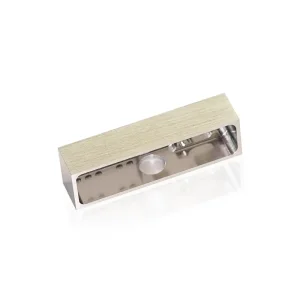
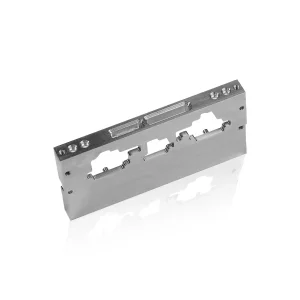
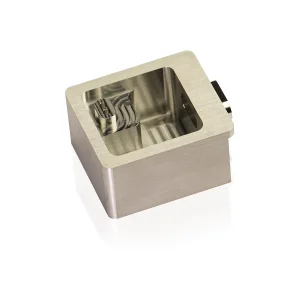
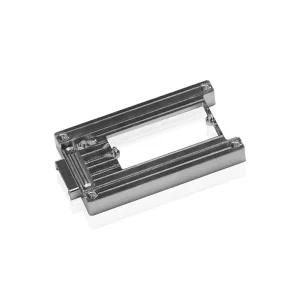
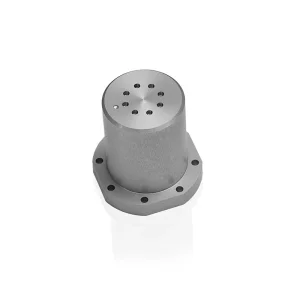
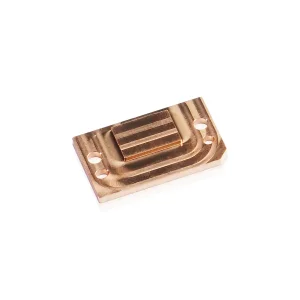
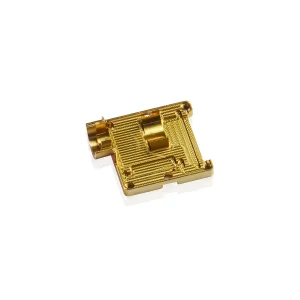
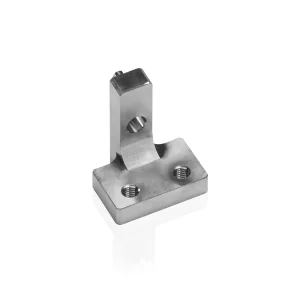
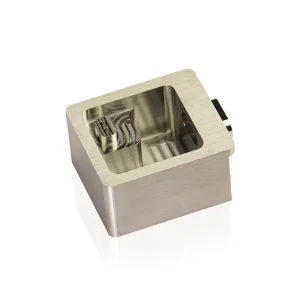
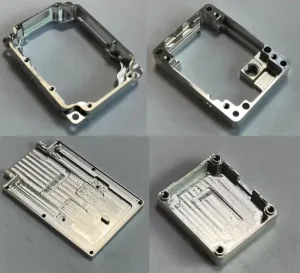
Explore our high-demand precision metal components and structural hermetic hardware, engineered to thrive under extreme operational pressures.
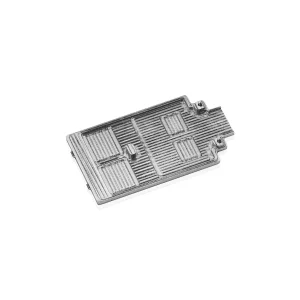
A comprehensive review of metallurgical requirements, high-speed multi-axis tooling technology, and the paradigm shift in strategic sourcing.
The global precision manufacturing paradigm is experiencing a monumental transformation. No longer is purchasing simple custom-machined metal blocks sufficient to maintain high technological output. Today's global supply chain buyers demand comprehensive machining capabilities that integrate cutting-edge material science, precise geometric dimensioning and tolerancing (GD&T), and highly reliable clean-room hermetic micro-packaging. As technology cycles shrink within advanced industries like optical communications, aerospace, and medical implants, selecting the right factory partner is a critical variable determining product viability and market-entry speed.
"True industrial expertise lies not only in processing metals, but in mastering the thermal behavior, surface physics, and metallurgical stability of complex alloys under severe pressure and environment changes."
At the highest tier of manufacturing, precision machining operates at the crucial intersection of physics and mechanical technology. In North America, Western Europe, and East Asia, high-tech sectors have pushed standard engineering constraints to their limits. Modern semiconductor assembly nodes, cryogenic aerospace sensors, and 5G/6G signal modulators depend on components that maintain physical integrity under harsh environments.
Specialty alloys such as Kovar (a highly specialized Iron-Nickel-Cobalt controlled-expansion alloy), titanium, Invar-36, and oxygen-free high-conductivity (OFHC) copper have transitioned from exotic novelties to core structural requirements. Because these materials present unique thermal matching coefficients with borosilicate glasses and ceramic substrates, machining them demands state-of-the-art sub-micron tool positioning, sophisticated thermal compensation software, and rigid multi-axis machining centers.
For decades, China has served as the baseline of global manufacturing. However, a profound paradigm shift has transformed the region into a hotbed of ultra-precision technology. Leveraging massive infrastructure density, deep localized supply chains, and high-caliber engineering talent, top-tier Chinese manufacturers can now prototype and manufacture complex micro-components at speeds and yields that western counterpart facilities struggle to match.
This localized efficiency is exemplifies by specialized firms like Xinyunyang Precision Technology Co., Ltd.. By coupling localized raw material sourcing with advanced intelligent digital scheduling systems and ISO 9001 quality framework architectures, these factories routinely slash standard global lead times by 15% to 20%. This agile operational footprint permits rapid iteration cycles, helping global product designers bring new medical devices, aerospace sensors, and telecom housings from CAD to market before competitor solutions gain traction.
Under Google's stringent Search Quality Rater Guidelines, content and service credibility are evaluated through Experience, Expertise, Authoritativeness, and Trustworthiness (E-E-A-T). In the domain of precision physical engineering, E-E-A-T is not merely a theoretical SEO construct; it is verified through real-world certifications, advanced metrology instrumentation, and verifiable metallurgy documentation.
Our collaborative operational approach relies on sophisticated inspection workflows, incorporating non-destructive testing (NDT), coordinate measuring machines (CMM) calibrated to sub-micron accuracy, helium mass spectrometer leak testing for hermetic packages, and atomic-force profilometers to ensure precise surface roughness indices (Ra) are achieved without mechanical stress fractures. True trust is built when industrial buyers receive parts accompanied by comprehensive material mill certificates and dimensional inspection reports detailing perfect adherence to requested specs.
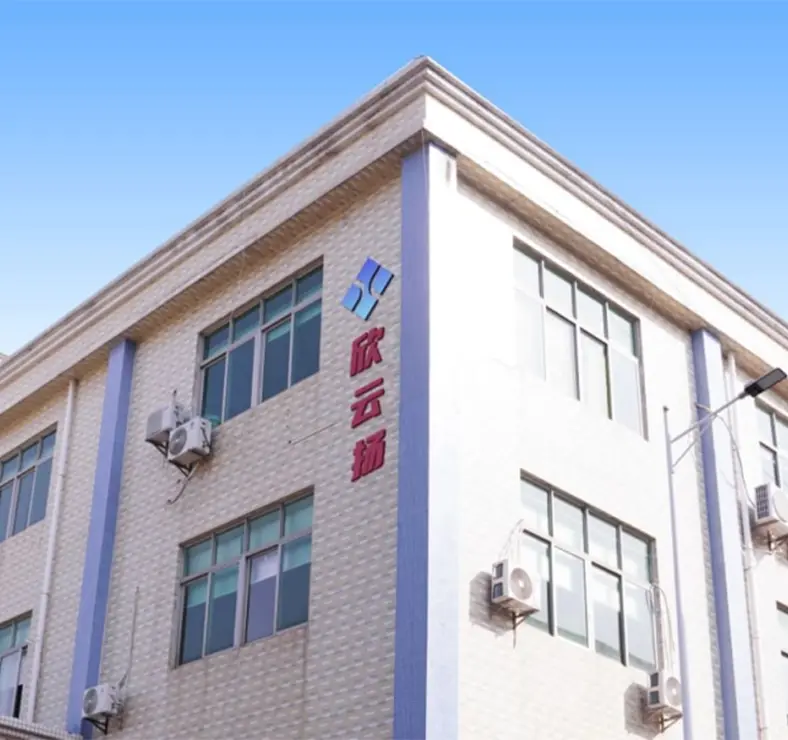
Founded in November 2014, Xinyunyang has emerged as a premium-grade engineering enterprise, sticking to core principles of Integrity, Innovation, Cooperation, and Sharing. Over years of development, we have established our identity around advanced Kovar precision processing technology, providing high-reliability hermetic packaging systems and specialized custom metal components to world-class OEMs and research labs.
Our focus extends to specialized industries requiring exceptional dimensional stability, such as optical communications, high-frequency radar transmitters, satellite assemblies, biomedical implants, and new-energy frameworks. Xinyunyang's ultimate objective is to serve as the benchmark supplier of hermetic package lids, Kovar alloy components, and complex multi-axis CNC parts globally.
 High-precision processing capability
Advanced technology and equipment
Strict quality control
Flexible customized services
High-precision processing capability
Advanced technology and equipment
Strict quality control
Flexible customized services
A multi-disciplinary synergy of human expertise, material knowledge, and stringent international standards.
We boast a dedicated team of over 100 industrial specialists, with technical, mechanical, and quality assurance engineers accounting for more than 30% of our workforce. This ensures every production line has direct professional oversight.
Our core engineering members have spent over a decade refining precision metal processing. We specialize in developing composite tooling methodologies for demanding materials, actively building solutions for 5G, artificial intelligence, and new energy.
Operating a fully audited ISO 9001 certified quality management structure integrated with intelligent production execution systems, we regularly boost fulfillment speeds by 15%-20%, standing as a trusted global manufacturer.
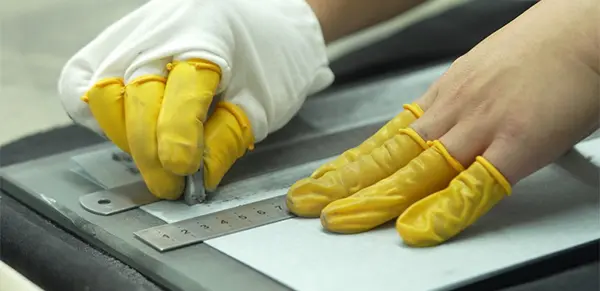
A transparent look inside our modern CNC machinery setups, clean rooms, and quality control departments.
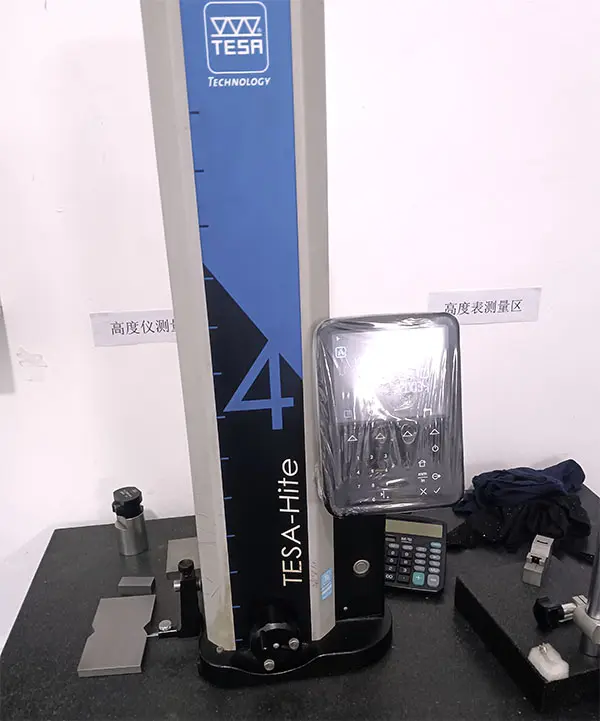
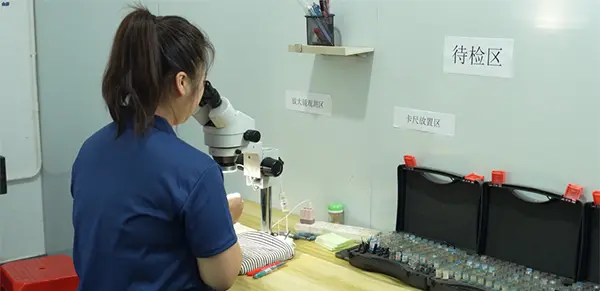
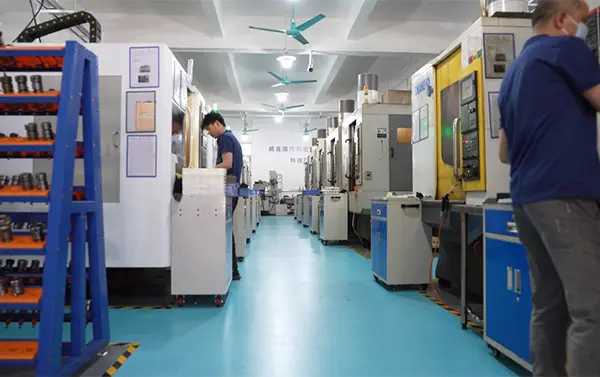
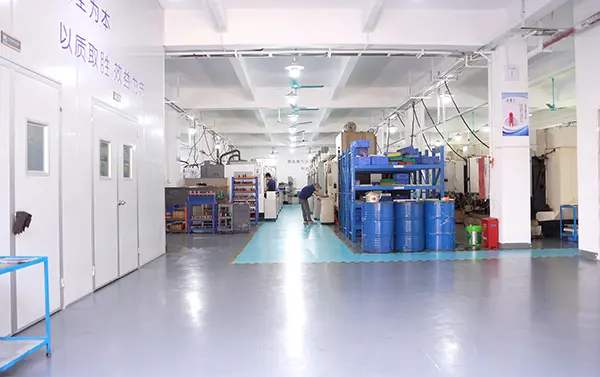
Exploring how engineering breakthroughs produce high-fidelity hermetic connections without risking component oxidation.
In high-reliability military and optical applications, electrical connector contacts are regularly fabricated from Kovar alloy due to its exceptional coefficient of thermal expansion (CTE) match with borosilicate glasses. However, standard wet machining using cutting fluids can introduce microscopic chemical contamination within the micro-crevices of D-Sub connector components. When subjected to sub-surface salt spray and corrosion testing, these chemical residues act as oxidation catalysts, causing early structural failure in the field.
To solve this critical industrial bottleneck, Xinyunyang Precision developed a specialized, highly controlled dry-machining process. By engineering proprietary diamond-coated micro-cutters and employing custom high-pressure ionized nitrogen air blasts, we successfully dissipate high tool-tip thermal buildup while evacuating chips instantaneously. This enables us to maintain a consistent surface finish with roughness indices of Ra < 0.3μm without the use of chemical cutting fluids.
The result is a dry-machined component completely free of organic compound contamination. It exhibits excellent plating performance during subsequent high-purity gold electrodeposition steps and shows zero degradation even after extensive 96-hour salt spray exposure testing. This performance level is crucial for mission-critical deep-space communications and high-power optoelectronic modules.
Clear, direct, and authoritative answers to the most common questions raised by procurement officers and quality assurance leads.
Explore our advanced connectors, specialty finish elements, and heavy-duty structural parts tailored for global industrial supply chains.
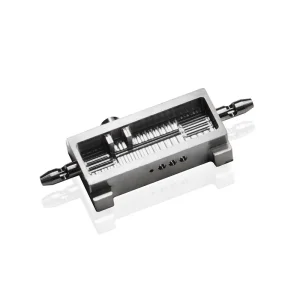
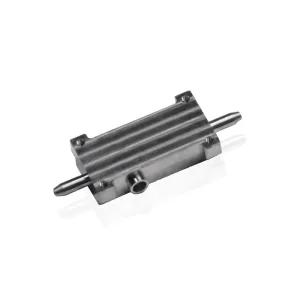
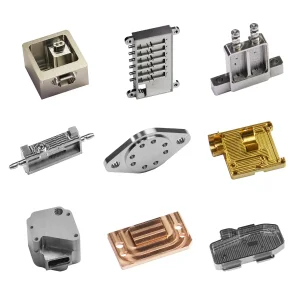
 Xinyunyang Precision