When engineering global hardware platforms for high-reliability industries—such as optical communications, semiconductor packaging, aerospace, and advanced medical systems—sourcing managers often make a critical error. They evaluate primary machining operations (rough turning, 5-axis milling, stamping) as the dominant cost drivers. However, real-world data demonstrates that primary CNC machining represents only half of the story. The true determinant of part lifespan, functional performance, and ultimate cost efficiency lies in the Secondary Operations.
Secondary operations encompass a comprehensive spectrum of physical, chemical, thermal, and surface finishing treatments. Whether it is post-machining chemical etching, precision electroplating, vacuum annealing, magnetic deburring, or hermeticity leak testing, these critical phases ensure components conform to complex specifications. But how are these services priced, and why do they fluctuate wildly between suppliers?
Understanding Secondary Operations Pricing requires an analytical look into setups, tooling life cycles, chemical consumables, labor-intensive quality audits, and environmental compliance frameworks. When you buy precision parts, negotiating secondary process pricing is not merely about lowering margins; it is about recognizing the inherent technological cost drivers to secure high-yield, premium-reliability components.
Deconstruct tooling amortizations, machine setup-times, and batch sizing rules to predict exactly how and where your custom processing budgets are allocated.
High-reliability fields demand zero defects. Secondary processing like helium mass spectrometry leak testing secures ultimate sealing capacities.
Leverage integrated fabrication workflows to avoid multi-handling logistical markups, transport degradation risks, and decentralized inspection fees.
The high-end manufacturing sector is undergoing a profound structural evolution. Sourcing managers across Europe, North America, and East Asia are shifting away from fragmented, multi-vendor sourcing supply chains. Previously, an OEM would buy raw machining services from Vendor A, send the parts to Vendor B for heat treatment, route them to Vendor C for specialized plating (e.g., gold or electroless nickel), and finally deliver them to a testing laboratory. This model is collapsing due to three macro-economic pressures:

By shifting to an all-in-one manufacturing model, buyers achieve structural cost control. This unified approach eliminates cumulative markups, significantly reduces compound scrap rates, and ensures that the crucial final steps are fully executed by a single, vertically accountable manufacturing partner.
In aerospace, optical sub-assemblies, and high-vacuum semiconductor environments, the most critical physical failure mode is Coefficient of Thermal Expansion (CTE) mismatch. When glass or silicon surfaces must be bonded directly to structural metals, standard alloys (like aluminum or structural steel) fail catastrophically under cyclic thermal stress. This failure presents as micro-fractures, vacuum seals leaking, or signal degradation.
The globally accepted solution is the implementation of Kovar alloy (ASTM F15). This vacuum-melted iron-nickel-cobalt formulation is uniquely engineered to match the linear thermal expansion characteristics of borosilicate glasses and alumina ceramics. However, Kovar represents a formidable manufacturing challenge:
Kovar work-hardens rapidly during primary machining. Standard high-speed tooling shears, creating severe sub-surface stress, which ruins micro-precision tolerances during subsequent operations.
During heat treatments or high-temperature glass-to-metal sealing cycles, un-optimized secondary processes can cause deep oxide penetration, completely compromising the mechanical seal.
Standard electroplating baths can pit or selectively corrode Kovar grain structures. Highly controlled, proprietary plating workflows (such as specialized gold over sulfamate nickel) are critical.
To mitigate these risks, advanced manufacturers utilize proprietary thermal annealing cycles and specialized tool geometry strategies. This preserves structural equilibrium, ensuring components deliver seamless hermeticity and optimal electrical performance under the harshest operational conditions.
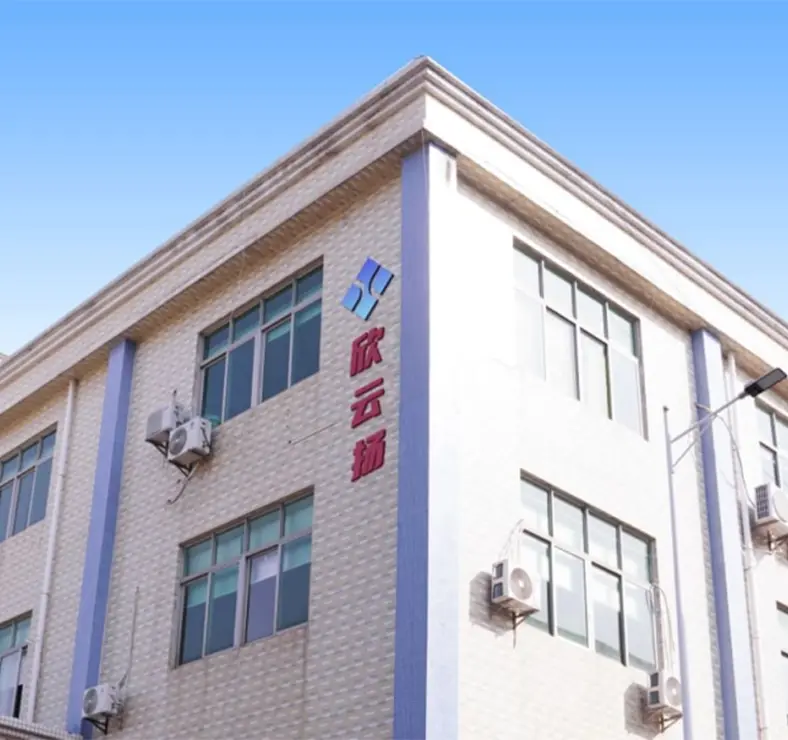
Founded in November 2014, Xinyunyang Precision Technology Co., Ltd. has established itself as an industry-leading manufacturer. We are dedicated to the core values of Integrity, Innovation, Cooperation, and Sharing.
By centering our core competitiveness around advanced Kovar precision processing technology, we provide miniaturized, highly customized, and ultra-reliable metal packaging solutions. Our primary mission is serving high-reliability fields including semiconductors, optical communications, aerospace, medical devices, and the new energy/military sectors.
Over a decade of focused development has positioned Xinyunyang as a premier supplier of high-reliability hermetic package lids, Kovar alloy components, and complex precision parts across China and the global marketplace.
High-Precision processing capability: Achieving tight dimensional margins down to micron levels.
Advanced technology and equipment: Equipped with cutting-edge 5-axis CNC networks and integrated cleaning systems.
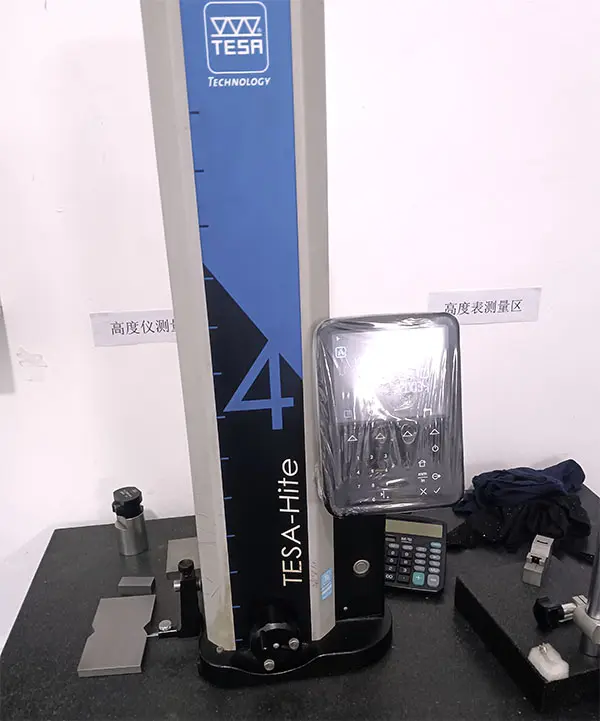
Strict quality control: ISO 9001 quality management systems paired with live optical verification.
Flexible customized services: Efficient prototyping scaling seamlessly to high-volume production.
Our dedicated team of over 100 professionals includes a highly skilled technical engineering department making up 30% of our workforce.
Our core specialists hold over a decade of hands-on experience in precision metalworking. We continue to pioneer composite processing methodologies for Kovar, titanium, and advanced refractory metals to support next-gen AI, 5G, and aerospace technologies.
Leveraging an ISO 9001 certified quality management system alongside intelligent production scheduling, we have improved delivery efficiency for regular orders by 15% to 20%.
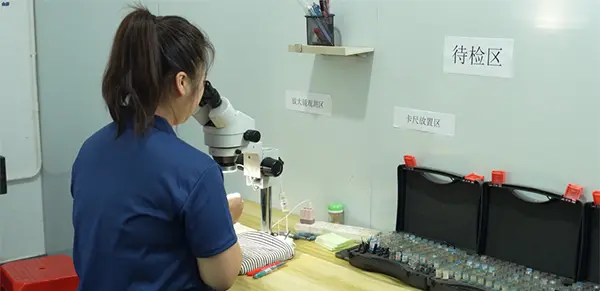
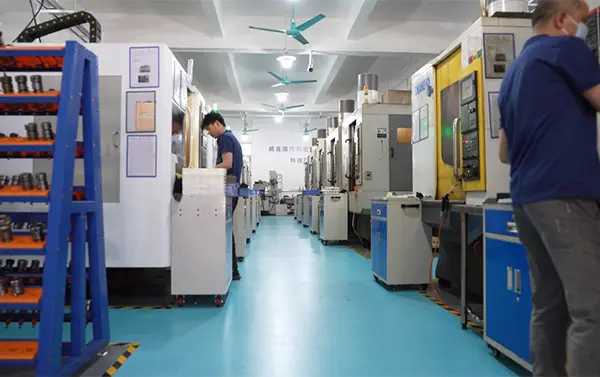
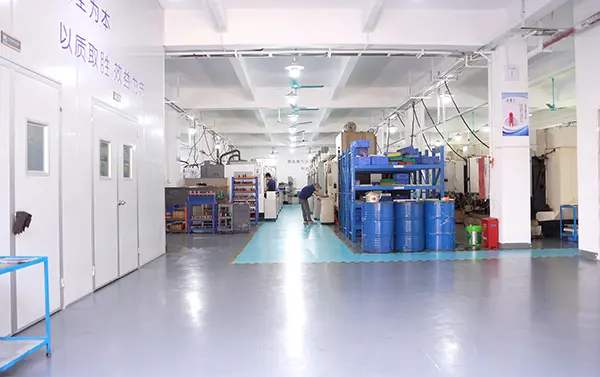
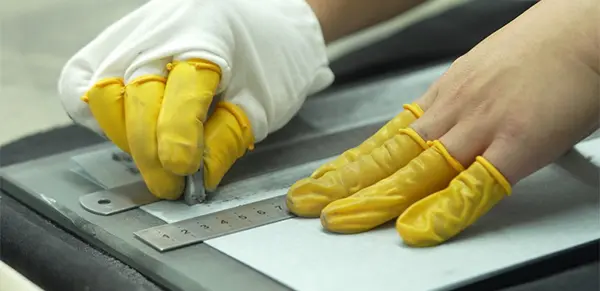
High-reliability components cannot be sourced on cost alone; regulatory compliance is critical. For aerospace, medical, and semiconductor buyers, entering a partnership requires verifying quality assurance frameworks and international manufacturing standards.
At Xinyunyang, quality control is integrated into every step of our manufacturing workflow:
Looking ahead, the demand for precision component processing is driven by miniaturization and higher operating frequencies. As AI chips, satellite constellations, and 6G fiber optics continue to advance, component tolerances are shifting from the micron scale down to sub-micron dimensions. Our technical roadmap focuses on three main developments:
Integrating real-time sensor feedback into our toolpaths to dynamically compensate for micro-deflections and material variations in tough metals like Kovar and Titanium.
Developing advanced electroplating and surface cleaning chemistry that reduces chemical waste while maintaining superior coating adhesion and salt-spray resistance.
Implementing ultra-precise sub-picosecond laser systems to structure component surfaces, improving bonding characteristics without relying on aggressive chemical micro-etching.
 Xinyunyang Precision