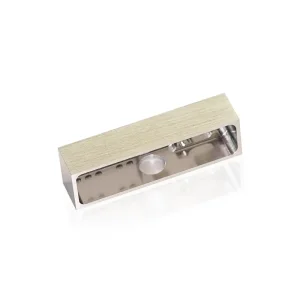
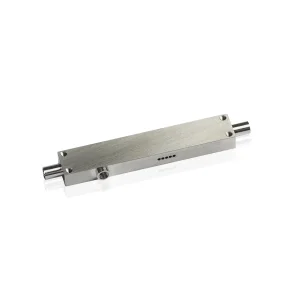
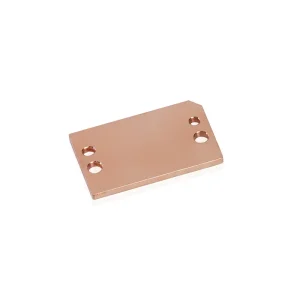
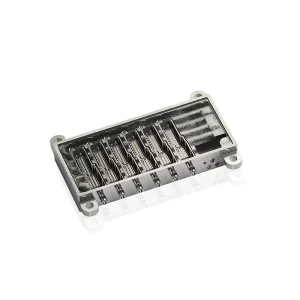
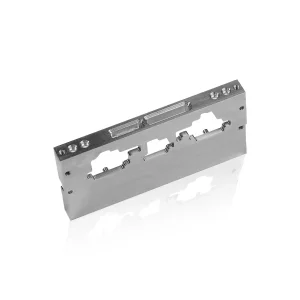
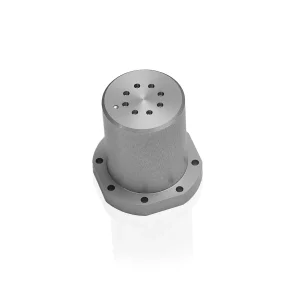
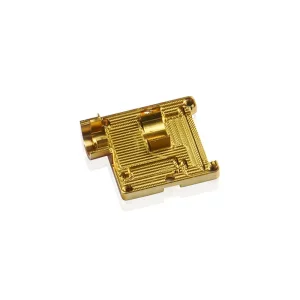
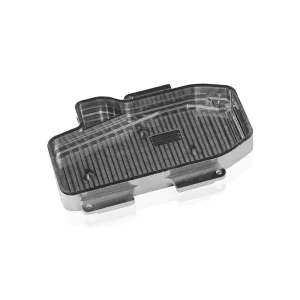
Founded in November 2014, Xinyunyang Precision Technology Co., Ltd. has established itself as an authoritative leader in high-performance metallurgy, focusing on Kovar alloy processing. By combining precision engineering with digitalized metallurgical workflows, we deliver specialized materials designed for critical sectors such as optoelectronics, deep-space aerospace, biomedical implants, and 5G communications.
We operate on the foundational principles of Integrity, Innovation, Cooperation, and Sharing. Our state-of-the-art facility integrates European standards, notably the strict requirements of EN 10088-3, ensuring that every batch of bright bars, ground rods, and custom CNC machined profiles exhibits optimized thermal matching properties and structural integrity.
 High-precision processing capability: Achieving sub-micron dimensional tolerances and ultra-smooth surface finishes.
Advanced technology and equipment: Fully imported CNC turn-mill centers and high-accuracy surface analysis tools.
Strict quality control: Total tracking of heat chemistry under ISO 9001 and strict compliance with global environmental standards.
Flexible customized services: Supporting rapid prototyping to high-volume manufacturing with identical metallurgical excellence.
High-precision processing capability: Achieving sub-micron dimensional tolerances and ultra-smooth surface finishes.
Advanced technology and equipment: Fully imported CNC turn-mill centers and high-accuracy surface analysis tools.
Strict quality control: Total tracking of heat chemistry under ISO 9001 and strict compliance with global environmental standards.
Flexible customized services: Supporting rapid prototyping to high-volume manufacturing with identical metallurgical excellence.
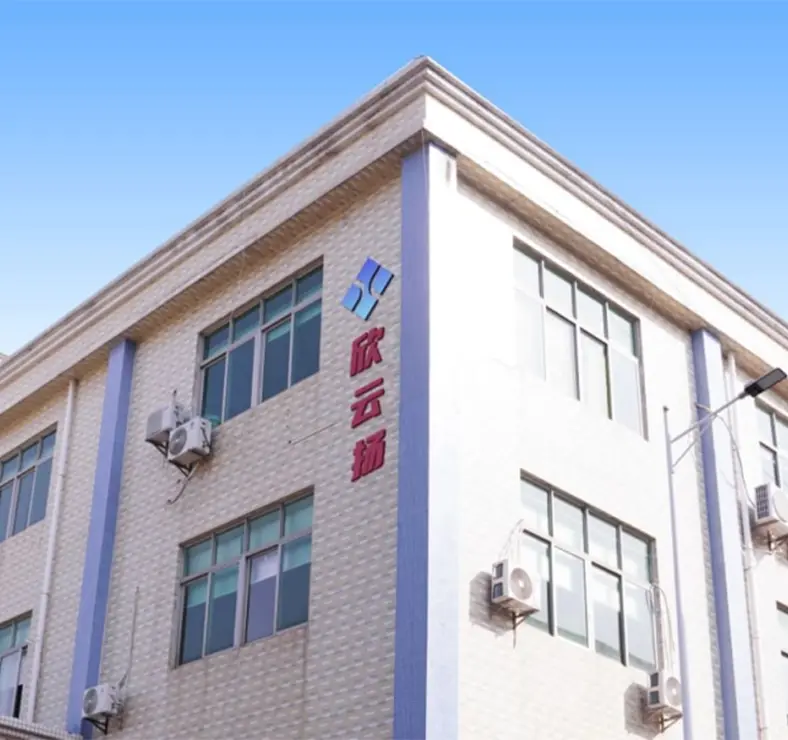
Our R&D structure bridges the gap between pure materials science and high-speed CNC precision engineering, delivering unmatched quality for global OEMs.
Xinyunyang boasts a high-caliber professional team of over 100 specialists, with specialized technical engineers accounting for more than 30% of the entire workforce. These engineers specialize in advanced thermal analysis, multi-axis machining toolpath design, and vacuum technology applications.
Our key team members have spent over a decade refining precision metal removal methodologies. We systematically study composite processing techniques for challenging metals like Kovar, Invar, Titanium, and heavy refractory alloys, matching the rising demands of AI servers, 5G base stations, and next-generation green propulsion systems.
Underpinning our manufacturing facility is a rigorous ISO 9001 quality management framework and an automated smart scheduling engine. This digitization optimizes lead times by 15% to 20% on regular contract orders while preventing bottlenecks, establishing us as a highly dependable supplier in the global high-precision supply chain.
In modern electronic packaging, reliability under extreme thermal stress is paramount. The EN 10088-3 standard governs the chemical, mechanical, and physical requirements for stainless steels and high-performance corrosion-resisting bars, rods, and wire. When matched with specialized Kovar Alloys (Fe-Ni-Co), this chemical specification ensures the utmost homogeneity and structural predictability. Kovar, classically recognized for its low coefficient of thermal expansion (CTE) of approximately 5.1 × 10⁻⁶/°C (from 30°C to 400°C), acts as the perfect structural foundation for hermetic glass-to-metal (GTMS) and ceramic-to-metal sealing systems.
Without a matching thermal expansion curve, severe temperature shifts in aerospace flight or high-frequency power electronics lead to interface fractures. Kovar mimics the expansion curve of borosilicate glasses and alumina ceramic substrates, ensuring zero joint-stress over wide thermal variations.
The global demand for high-reliability controlled expansion alloys is experiencing a structural pivot. Traditionally confined to basic defense applications, EN 10088-3 compliant Kovar is now highly sought after for civilian commercial networks. The explosion of 5G millimeter-wave architectures, sub-orbital satellite constellations, and optoelectronic transceivers operating at 800G and 1.6T has forced high-frequency modules to adopt strict hermetic designs. As sub-components shrink, material defects like micro-voids, impurities, and gas inclusions are no longer tolerated. Global buyers now mandate Kovar alloys with ultra-low gas content and consistent grain boundaries to ensure perfect micro-drilling and dry-machining outputs.
Industrial procurement officers face unprecedented challenges, including geopolitical friction, fluctuating metal prices, and stringent international standards such as RoHS, REACH, and DFARS. Procurement of En 10088-3 Kovar components is no longer just about searching for the lowest price per unit; it is an exercise in risk mitigation and raw-material traceability. Reliable buyers demand complete melt-history documentation, mill test certificates (MTC) proving precise Fe-Ni-Co concentration ratios, and extensive non-destructive testing (NDT) records (such as ultrasonic validation against subsurface cracks).
At Xinyunyang Precision, we leverage the power of China's Industry 4.0 evolution to provide global buyers with distinct pricing, quality, and supply-chain resilience advantages. By using an integrated Manufacturing Execution System (MES) alongside real-time CNC health-monitoring systems, we have transformed special alloy processing from a highly manual craft into a highly predictable, repeatable process.
Our smart factory uses specialized tooling geometries and dry-machining procedures designed specifically for Kovar. Since Kovar contains high concentrations of nickel and cobalt, it is highly prone to work hardening during machining. Traditional methods rely heavily on wet emulsified coolants, which can leave trace chlorine and sulfur contaminants on components, compromising high-vacuum hermeticity. Xinyunyang's proprietary dry-machining techniques achieve an outstanding surface roughness (Ra < 0.3μm) while completely eliminating chemical contamination. This makes our components ready for plating and vacuum chamber integration immediately after cleaning.
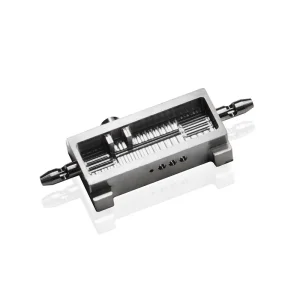
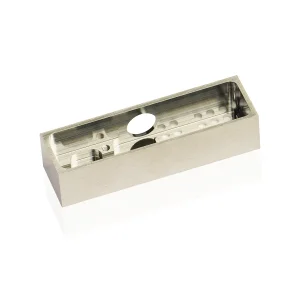
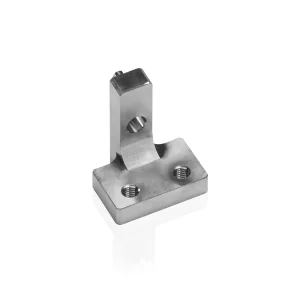
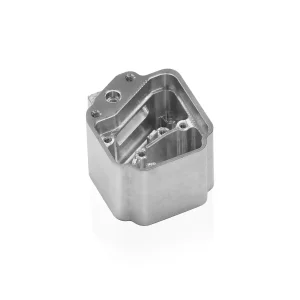
Our En 10088-3 Kovar parts are widely deployed across challenging environments:
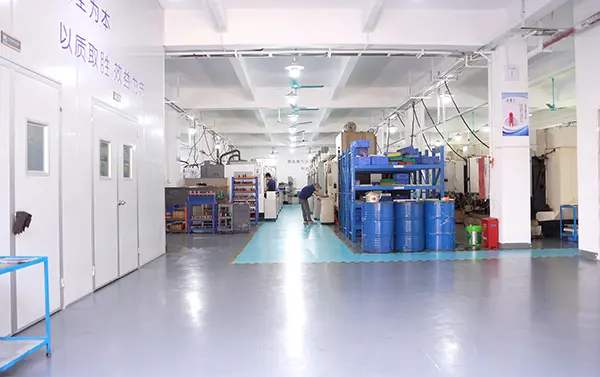
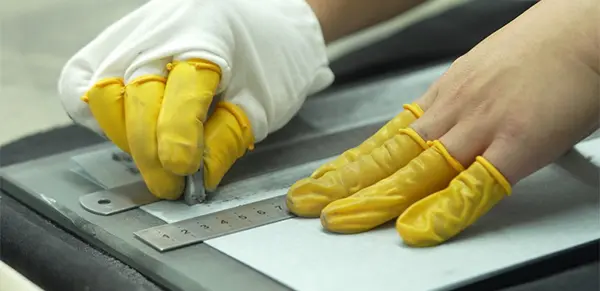
Step inside Xinyunyang's digitalized machining floor, featuring high-speed precision turn-mill machining centers, strict QA inspection labs, and dynamic warehouse logistics.
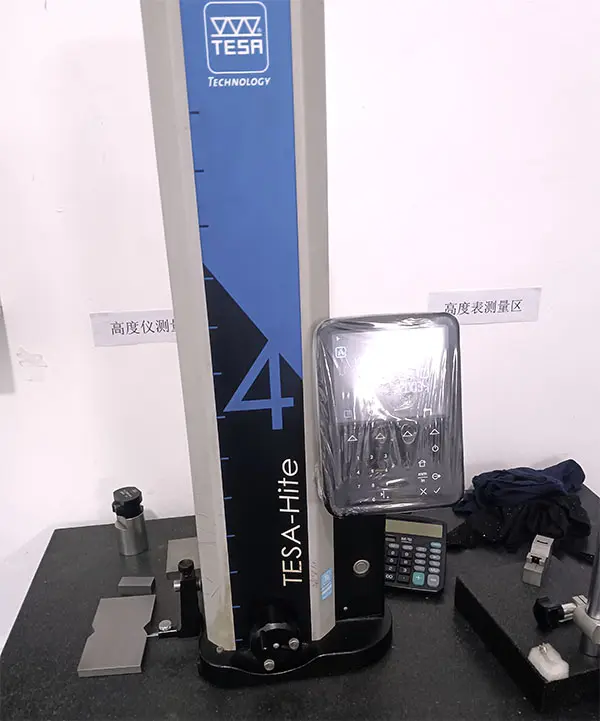
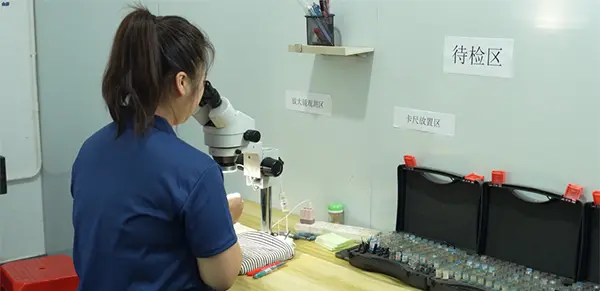
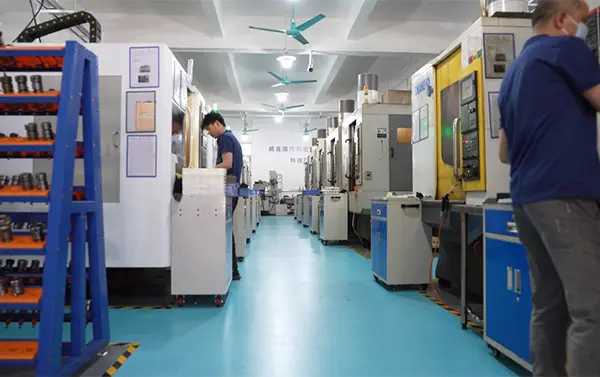
Direct answers from our engineering team regarding chemistry, production limits, and international compatibility of En 10088-3 Kovar alloys.
EN 10088-3 outlines the standard delivery states, mechanical tolerances, and surface qualities for stainless and special alloy bars and wire. Although classical Kovar is often categorized under ASTM F15, high-integrity factories utilize the EN 10088-3 standard structure to govern the physical integrity, tolerance classes (such as h9 or h11), and surface finish of our bright products. This ensures that European and global clients receive materials that seamlessly integrate with standard European automation and processing machinery.
Standard stainless steels exhibit a high coefficient of thermal expansion (typically 16-18 × 10⁻⁶/°C). When bonded with glass (around 5 × 10⁻⁶/°C) or alumina ceramics, rapid cooling during manufacture or operation causes huge tensile stress at the joint interfaces, resulting in microscopic fractures and loss of hermeticity. Kovar has a uniquely tailored chemical blend (approx. 29% Nickel, 17% Cobalt, Balance Iron) which creates a thermal expansion match with borosilicate glass from cryogenic levels up to the softening temperature of the glass.
Kovar is notoriously gummy and work-hardens rapidly if subjected to friction without efficient material removal. We combat this by utilizing specialized, highly positive rake-angled cutting tools, optimized speeds and feeds, and rigid machine setups. By utilizing dry-machining algorithms coupled with specialized coatings (like TiAlN or DLC), we shear the metal efficiently before work hardening can propagate into the substrate, allowing us to hit a surface finish of Ra < 0.3μm with ease.
Yes. Mechanical machining inevitably introduces residual stresses into Kovar components, which can distort the material or cause erratic expansion behavior during glass-to-metal sealing. We provide controlled-atmosphere stress-relief annealing (typically in a wet hydrogen or deep vacuum environment to simultaneously decarburize and anneal). Furthermore, we offer custom electrolytic or electroless gold/nickel plating to maximize corrosion prevention and facilitate clean solder reflow operations.
 Xinyunyang Precision