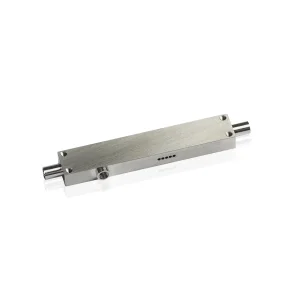
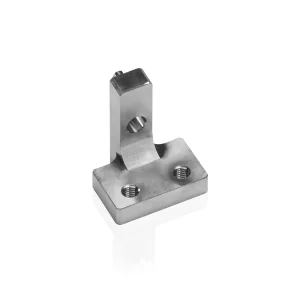
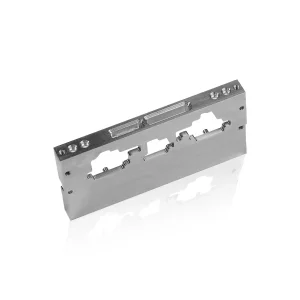
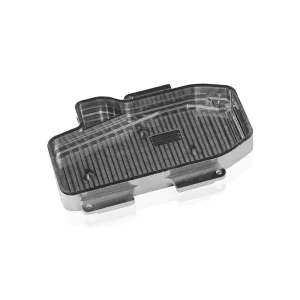
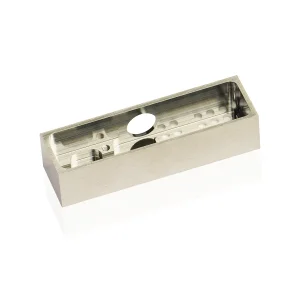
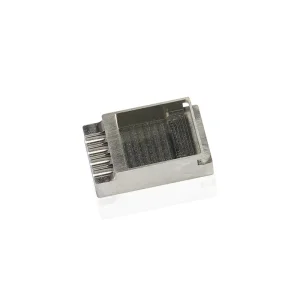
In the modern landscape of microelectronics, optoelectronics, and deep-space exploration systems, thermal expansion mismatch represents one of the primary mechanisms of mechanical failure and optical misalignment. As electronic chips dissipate increasingly higher thermal flux, the interfaces between metallic housings, structural substrates, and ceramic/glass insulators experience substantial mechanical shear stresses.
To address this crucial engineering challenge, Low Thermal Expansion Alloys (such as Kovar/ASTM F15, Invar 36/FeNi36, and specialized metal-matrix alloys) serve as indispensable structural materials. These materials are uniquely formulated to provide a Coefficient of Thermal Expansion (CTE) that precisely matches those of borosilicate glasses (such as Corning 7052) and alumina (Al₂O₃) ceramic packages.
By stabilizing dimensions across temperature variants from cryo-temperatures up to 500°C, these precision alloys guarantee hermetic seal integrity, preventing micro-void propagation, gas leakage, and moisture penetration in mission-critical hermetic package lids and housing assemblies.
Understanding how specific alloys compare to structural glass and ceramic materials is critical for selecting the appropriate alloy grade. Below is the standard thermal performance profile:
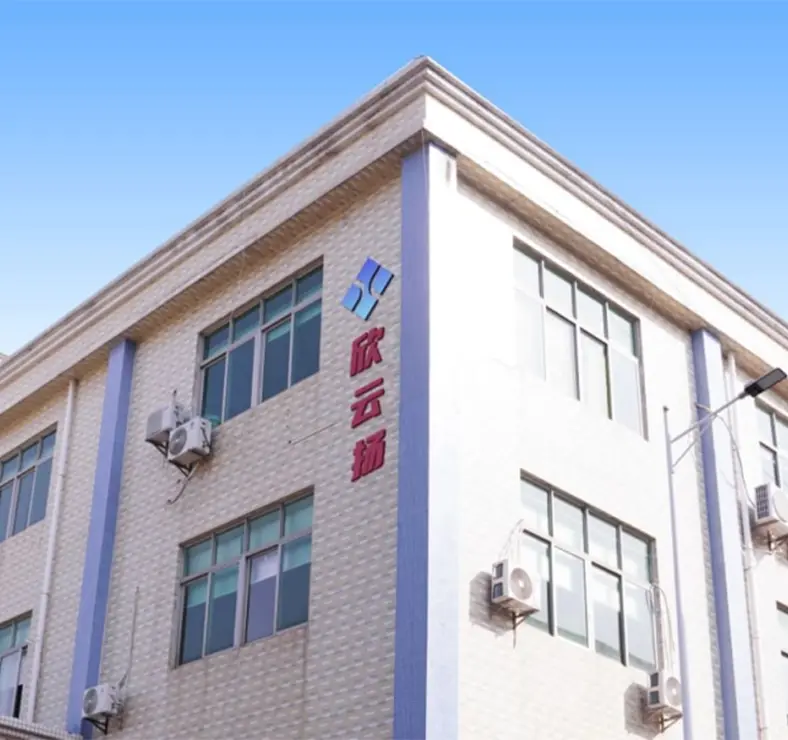
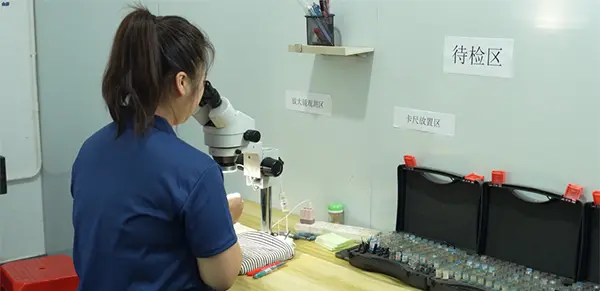
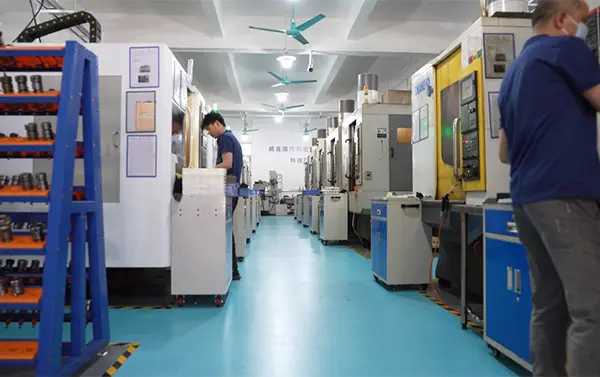
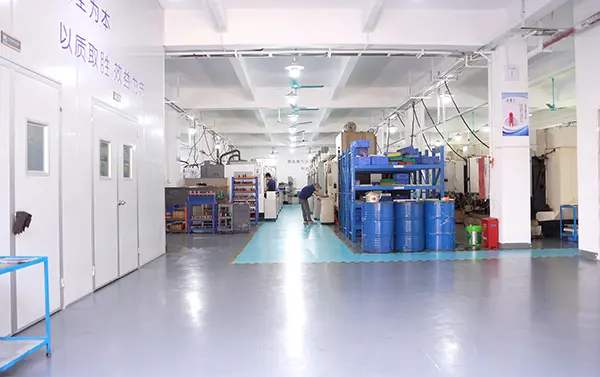
Founded in November 2014, Xinyunyang Precision Technology Co., Ltd. is an industry-leading, high-technology manufacturer specializing in Kovar precision processing technology. Built on the foundational business principles of Integrity, Innovation, Cooperation, and Sharing, we have committed ourselves to resolving the most complex manufacturing challenges in hermetic packaging and custom special alloy processing.
Our core mission focuses on supplying miniaturized, highly customized, and ultra-reliable metal packaging solutions to global leaders operating in the **semiconductor, optical communications, aerospace, medical devices, and new energy/military industry sectors**. Through continuous investment in high-end machinery and rigorous research and development, we have established our reputation as a dominant hermetic package lids, Kovar alloy components, and precision parts supplier in China and worldwide.
 High-precision processing capability
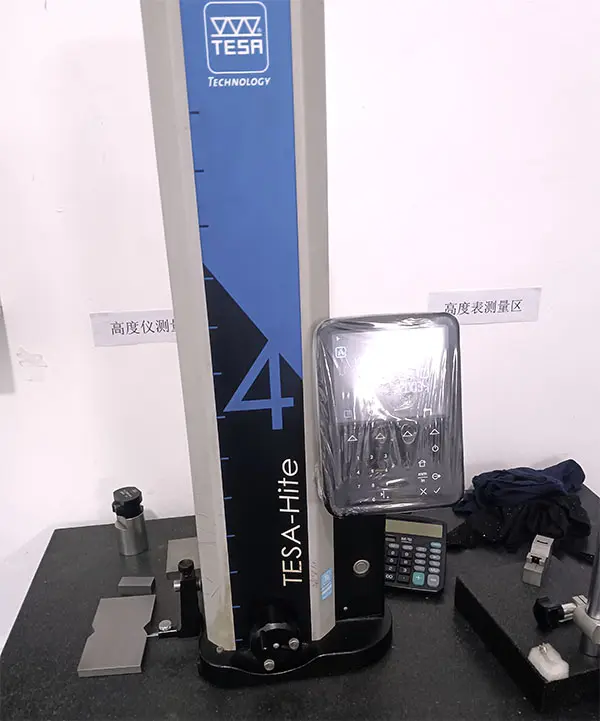
Advanced technology and equipment
Strict quality control
Flexible customized services
High-precision processing capability
Advanced technology and equipment
Strict quality control
Flexible customized services
Our company hosts an elite team of more than 100 people, with highly specialized technical engineers representing over 30% of the total workforce. We continuously invest in academic partnerships and internal training programs to keep our engineers at the forefront of metallurgical advancements and sub-micron machining parameters.
Our veteran core team members have been deeply immersed in precision metal machining for more than ten years. We continually innovate special metal composite processing technologies for difficult-to-cut metals, including Kovar and Titanium Alloys, proactively positioning ourselves for upcoming high-frequency demands in 5G, artificial intelligence, and new energy packaging systems.
Supported by our robust ISO 9001 quality management system and automated smart manufacturing schedule system, we have optimized resource allocation. This digital coordination increases standard order delivery efficiency by 15% to 20%, cementing our status as a trusted, high-volume partner in the global electronics supply chain.
Kovar (standardized under ASTM F15 as a nominal 29% Nickel, 17% Cobalt, 54% Iron formulation) is widely celebrated for its low and uniform thermal expansion properties. However, from a precision manufacturing perspective, Kovar poses notable challenges. It exhibits high ductility, low thermal conductivity, and a pronounced tendency to work-harden rapidly during chip-formation.
"Because Kovar work-hardens exceptionally fast under mechanical shear, traditional CNC tooling often experiences accelerated abrasive wear, leading to compromised surface finish and micro-burrs at the edges. Mitigating this requires specialized tool geometry, solid carbide coatings (such as TiAlN), and dedicated high-pressure coolant application."
To maintain micro-scale dimensional accuracy without compromising the material’s structural grain stability, Xinyunyang uses customized slow-feed parameters, specific tool rake angles, and dedicated stress-relief annealing cycles. Stress relief is particularly crucial: when parts are heavily machined, residual mechanical stress can lead to micro-distortion during subsequent glass-to-metal sealing procedures. By integrating specialized vacuum thermal treatment processes, we neutralize internal stresses, ensuring that the critical CTE of the finished part remains consistent throughout its service life.
For electronics operating in harsh environments—such as marine radar transceivers, commercial satellites, deep-sea oil drilling telemetry, or high-performance automotive powertrains—environmental protection is a paramount concern. Standard plastic packaging is vulnerable to moisture ingress, which can lead to micro-corrosion and circuit failure.
High-reliability hermetic packaging, built upon precision-machined Kovar housings and matched glass or ceramic feedthroughs, provides an impenetrable barrier. The glass-to-metal seal is formed by melting a specialized glass bead around an alloy lead pin inside a Kovar ring. During cooling, the glass and the alloy contract at virtually identical rates, eliminating interfacial stress cracking.
Operating in today’s volatile macroeconomic climate requires absolute supply chain agility. At our advanced facility in Shenzhen, we combine the cost advantages and deep supply network of Chinese manufacturing with the digital tools of the Industry 4.0 paradigm.
By utilizing a highly customized ERP-integrated MES (Manufacturing Execution System), we monitor tool path efficiency, machine uptime, and dimensional deviations in real-time. This digital integration allows us to optimize raw material usage, eliminate manufacturing bottlenecks, and adjust workflows instantly.
For international procurement departments seeking to mitigate supply-chain risks, Xinyunyang offers an ideal balance of technical expertise and logistical efficiency. Our proximity to major shipping hubs in Hong Kong and Shenzhen, combined with our established raw material partnerships, ensures short lead times and reliable global shipping.
Global buyers face strict quality, environmental, and timeline requirements. We address these through a comprehensive support infrastructure:
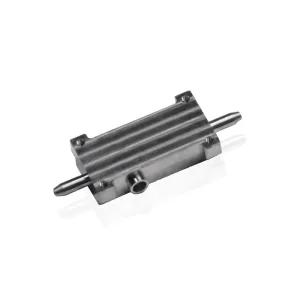
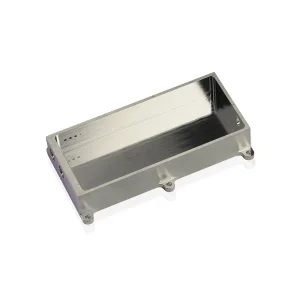
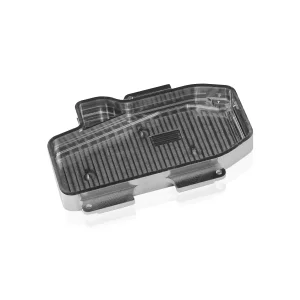
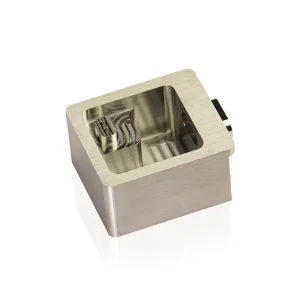
In silicon processing and microchip fabrication, structural components experience intense temperature spikes. Our precision-machined Kovar pedestals, ceramic-to-metal housings, and hermetic lids maintain tight mechanical interfaces, preventing structural failure under cyclic thermal loading.
Next-generation optical module packages require sub-micron alignment. Standard metals expand and shift the light paths, resulting in signal dropouts. Our low-expansion housings keep fiber couplers, laser diodes, and photodetectors precisely positioned across standard commercial and industrial operating temperatures.
Satellite instruments undergo rapid transitions between intense solar heating and the cold of deep space. We supply low-expansion structural parts that safeguard critical communications hardware and high-precision sensors against structural distortion and moisture intrusion.
 Xinyunyang Precision