Highly optimized industrial metal components designed to meet strict dimensional tolerances and material configurations for specialized aerospace and communications industries.
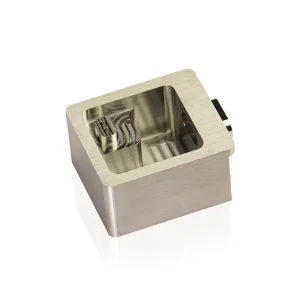
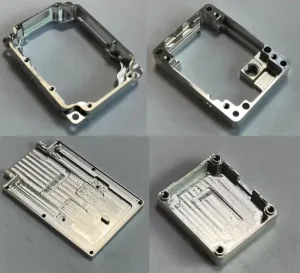
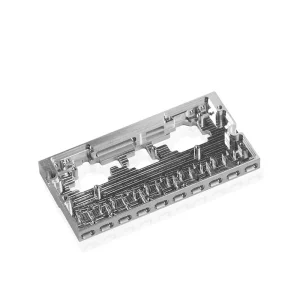
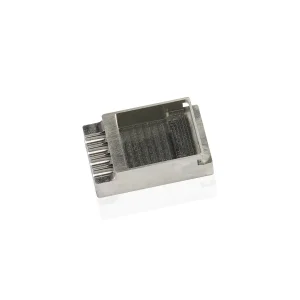
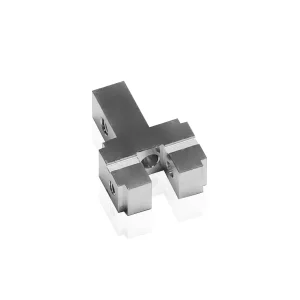
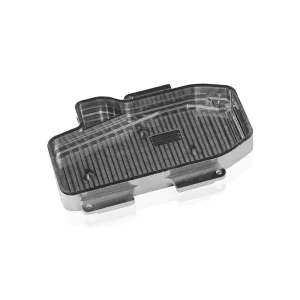
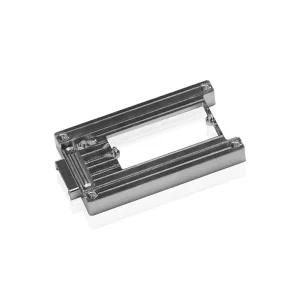
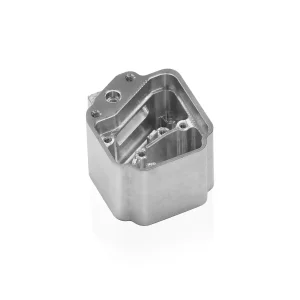
The global precision machining landscape is undergoing a massive shift. As advanced technological applications—such as 5G base stations, satellite communications, sub-nanometer semiconductor packaging, and new energy vehicles—scale at unprecedented speeds, the demand for high-reliability components is rising proportionally. Advanced manufacturing is no longer defined merely by subtractive volumetric throughput, but by the physical limits of dimensional accuracy, surface integrity, thermal expansion harmonization, and hermetic longevity.
In highly competitive markets across Europe, North America, and the Asia-Pacific region, purchasing teams are shifting from traditional transactional procurement models to collaborative co-development partnerships with highly specialized factories. This dynamic is highly prominent in applications utilizing advanced materials like Kovar alloy, titanium alloys, oxygen-free copper, and high-strength aluminum grades (6061-T6, 7075). The engineering challenges are distinct: managing tool wear, micro-structural stress relief, and maintaining high geometric tolerances across highly varying temperatures.
"Information Gain Principle: High-precision industries require more than standard ISO certificates; they require granular documentation of thermal profiles, sub-micron coordinate measurement data, and proven, high-reliability glass-to-metal (GTMS) sealing capabilities."
A major engineering concern in optical communications and aerospace packaging is the matching of the Coefficient of Thermal Expansion (CTE). Semiconductors and laser systems generate significant thermal dissipation during operation. If the metal substrate housing expands at a rate different from that of the silicon, gallium arsenide, or ceramic dielectric substrates, micro-cracking will inevitably occur at the solder interfaces, destroying hermetic integrity.
This is where Kovar (Fe-Ni-Co) alloy becomes indispensable. Its nominal composition of 29% Nickel, 17% Cobalt, and 54% Iron is formulated to exhibit a CTE of approximately 4.7±0.2×10⁻⁶/℃ within a thermal range of 30°C to 400°C. This matches the thermal expansion profiles of borosilicate glasses and alumina ceramics, facilitating robust glass-to-metal interfaces that can withstand cyclic thermal stresses without fatigue.
| Material Grade | CTE (x10⁻⁶/°C) at 20-200°C | Machinability Rating | Primary High-Tech Application |
|---|---|---|---|
| Kovar (Fe-Ni-Co) | 4.7 - 5.1 | Low (~35%) | Hermetic packaging, RF enclosures, optoelectronics |
| Alloy 36 (Invar) | 1.2 - 1.8 | Low (~30%) | Laser cavities, high-stability instrumentation |
| Aluminum 6061-T6 | 23.5 | Excellent (~90%) | Lightweight structural frames, heat sinks |
| Titanium Ti-6Al-4V | 8.6 | Medium-Low (~40%) | Biomedical implants, aerospace structural housings |
Machining exotic materials like Kovar or Titanium presents unique metallurgical challenges. These materials exhibit poor thermal conductivity, high work-hardening rates, and a tendency to adhere to cutting tools. High-performance factories combat this by using specific tool geometries, physical vapor deposition (PVD) coatings (like AlTiN or TiAlN), and pressurized through-spindle coolant systems.
To achieve high dimensional stability, manufacturing processes must incorporate stress-relieving heat treatments between roughing and finishing operations. Without stabilizing thermal cycles, residual manufacturing stresses are released over time, leading to geometric warping that can render ultra-precise optical paths useless.
Modern procurement managers prioritize localized engineering support and quick-turn prototyping. The ability to coordinate with an offshore manufacturing plant that possesses native R&D engineering depth is highly valuable. This bridges the gap between conceptual design and scalable production. By utilizing advanced CAD/CAM automation, suppliers can optimize tooling paths prior to production, leading to material savings and improved cycle times.
Furthermore, manufacturing operations are aligning with intelligent production scheduling models (such as ERP-integrated MES platforms). This integration provides real-time visibility into production pipelines, which is a key requirement for high-end automotive, medical, and defense contracts.
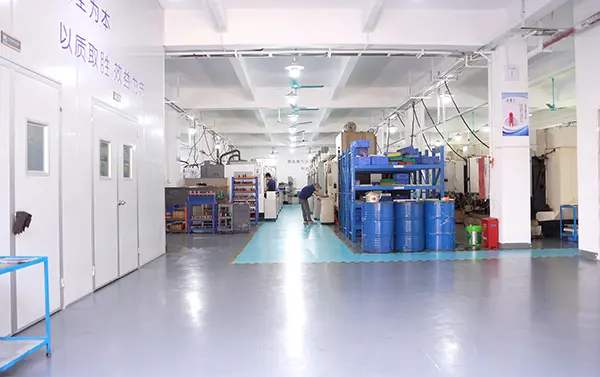
At Xinyunyang Precision Technology Co., Ltd., we combine technological depth with a robust quality control infrastructure to deliver exceptional reliability.
The company maintains a professional team of more than 100 people, of which technical engineers account for 30%, ensuring high engineering input for every customized run.
Our core members have been deeply engaged in precision metal processing for more than ten years, continuing to explore composite processing of Kovar and titanium alloys.
With an ISO 9001 certified quality management system and intelligent scheduling, regular order delivery efficiency is increased by 15% to 20%.
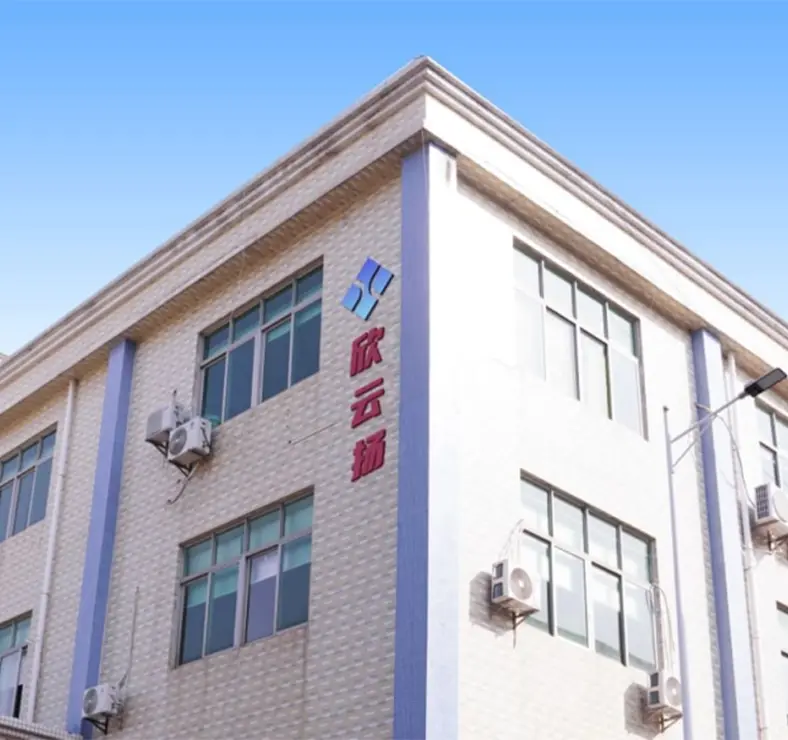
Founded in November 2014, Xinyunyang Precision Technology Co., Ltd. has remained dedicated to specialized industrial manufacturing. Adhering to the foundational business principles of Integrity, Innovation, Cooperation, and Sharing, we focus on Kovar precision processing technology as our core competitiveness.
We deeply cultivate highly specialized fields including semiconductors, optical communications, aerospace, medical devices, and new energy/military applications. We are committed to providing miniaturized, customized, and highly reliable metal packaging solutions to global customers.
 High-precision processing capability
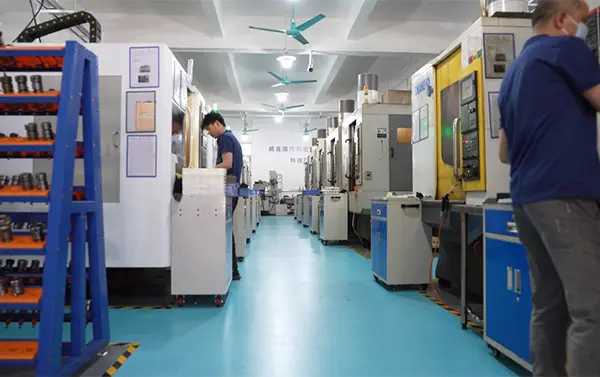
Advanced technology and equipment
Strict quality control systems
Flexible customized services
High-precision processing capability
Advanced technology and equipment
Strict quality control systems
Flexible customized services
Direct answers to technical queries frequently posed by sourcing managers, hardware designers, and reliability engineers.
Aluminum and copper exhibit high coefficients of thermal expansion (23.5 and 17.0 x10⁻⁶/°C respectively). When bonded to brittle semiconductors or ceramics (which exhibit CTEs below 6.0), thermal cycling causes interface delamination. Kovar has a uniquely tailored thermal expansion of 4.7±0.2×10⁻⁶/℃, matching borosilicate glass and silicon substrates, avoiding mechanical joint failures.
Our CNC strategies employ intermediate stress-relieving thermal cycles between the rough machining and final finishing stages. Controlled cooling ensures that internal mechanical stresses caused by raw material processing and initial metal removal are normalized. This keeps critical flatnesses within a 0.005mm limit.
Our specialized 5G communication housings achieve low insertion losses (IL < 0.26dB at frequencies up to 40GHz). This is maintained by precise surface roughness management (Ra < 0.4μm) and highly uniform, oxidation-resistant plating layers, optimizing electrical skin-depth conductivity.
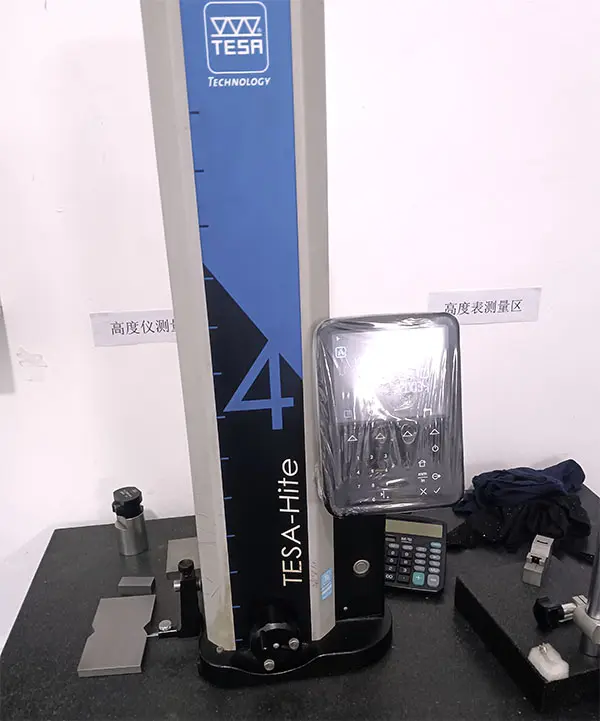
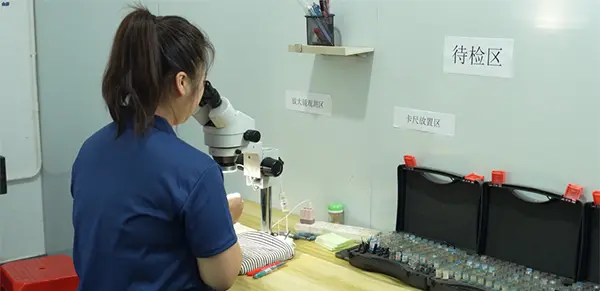
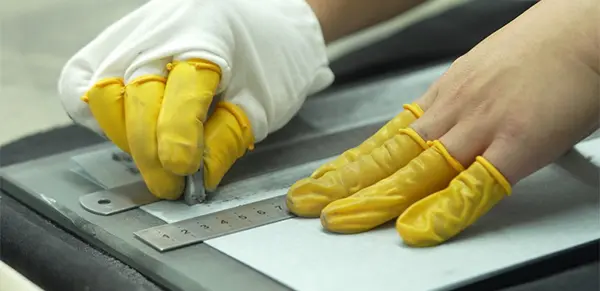
Yes, Xinyunyang maintains an ISO 9001 certified quality management system. Every order undergoes inspection via coordinate measuring machines (CMM), height gauges, and visual inspection systems, and is shipped with standard DFM documentation.
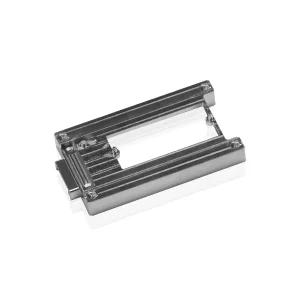
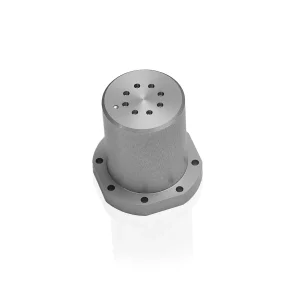
Explore our full line of CNC machined, high-density connection pins, high-conductivity copper terminal blocks, and custom-engineered electronic enclosures.
 Xinyunyang Precision