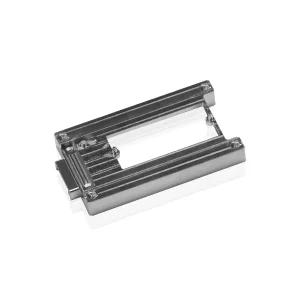
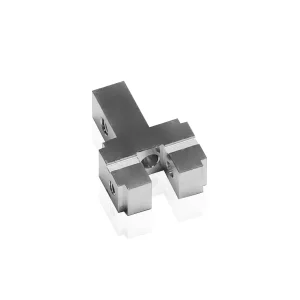
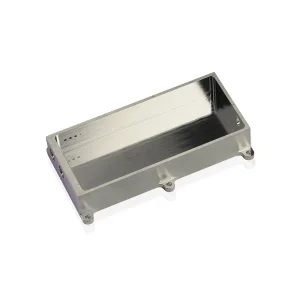
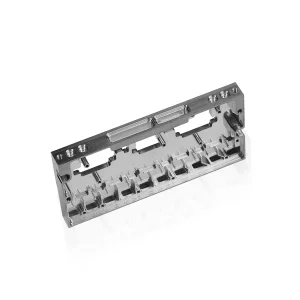
With tightening REACH and RoHS regulations, industries are moving away from traditional Nickel-based alloys (like standard Kovar 4J29) to prevent sensitization and environmental impact in sensitive ecosystems.
Nickel-free alternatives like Titanium alloys or specialized Niobium-based composites provide the essential Thermal Expansion Coefficient (CTE) matching for glass-to-metal seals without the risk of nickel-induced allergic reactions in implants.
Modern Nickel-free alternatives focus on high-strength-to-weight ratios, ensuring that hermetic packages in satellite systems are both leak-proof and significantly lighter than traditional Kovar-heavy modules.
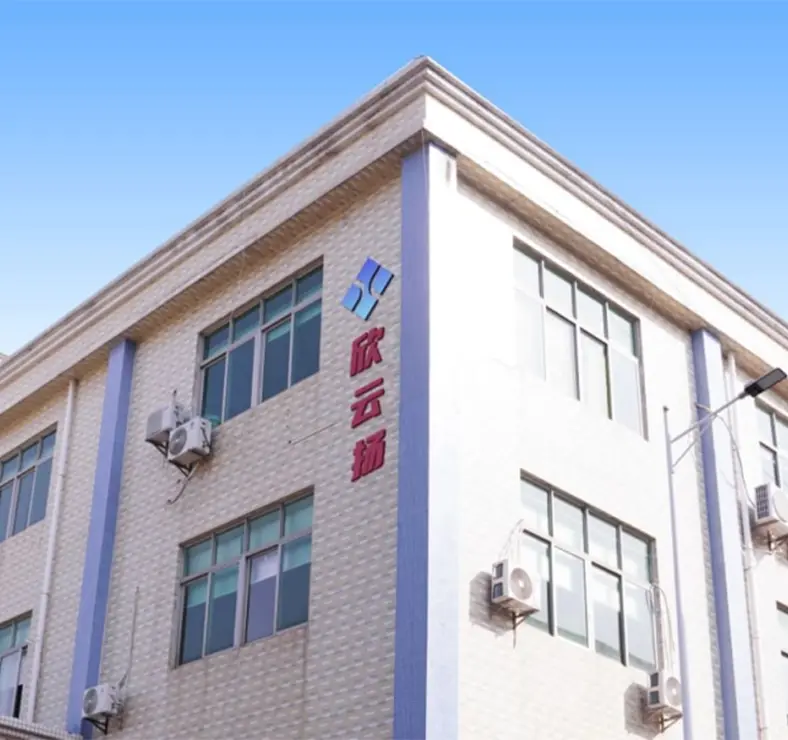
Founded in November 2014, Xinyunyang has adhered to its initial intention of industry, sticking to the business principles of Integrity, Innovation, Cooperation, and Sharing.
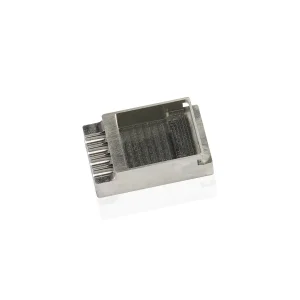
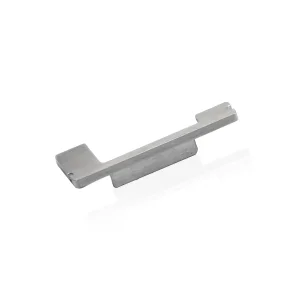
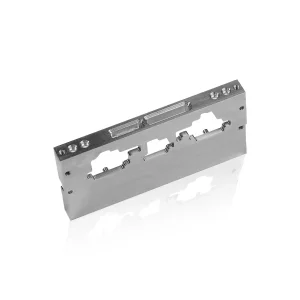
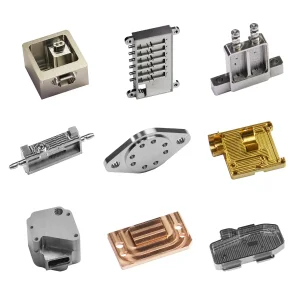
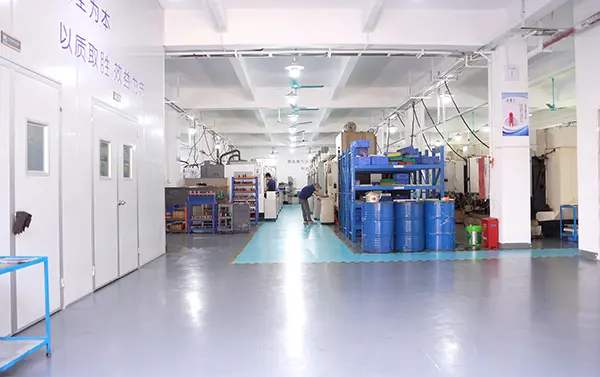
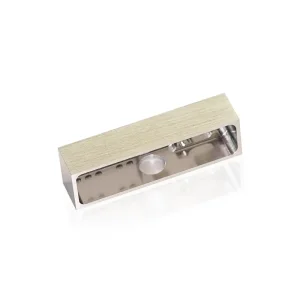
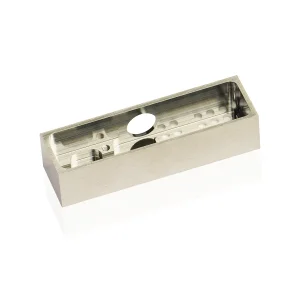
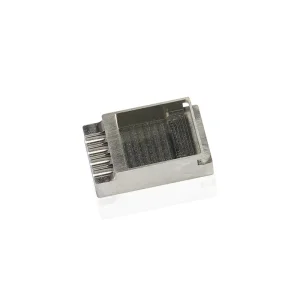
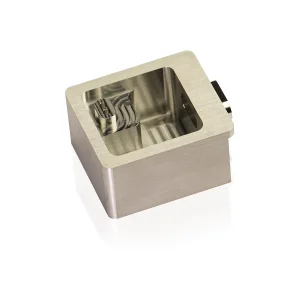
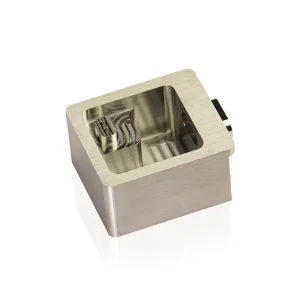
The company focuses on Kovar precision processing technology as its core competitiveness, deeply cultivating the fields of semiconductors, optical communications, aerospace, medical devices and new energy/military industry. We are committed to providing miniaturized, customized and high-reliability metal packaging solutions to global customers.
Our goal is to become a significant hermetic package lids, Kovar alloy components, and precision parts supplier in China and worldwide after years of continuous effort.
Professional Team Members
Technical Engineers
Certified Quality System
Efficiency Increase
The core challenge of replacing Kovar (Fe-Ni-Co) is replicating its low expansion rate (5.1 × 10⁻⁶/°C). We utilize Titanium-Molybdenum alloys and specialized ceramics that provide a perfect match for borosilicate glass, ensuring zero-leakage hermeticity from -65°C to +400°C.
Traditional welding of Kovar alternatives requires specialized atmospheres. Our state-of-the-art vacuum brazing ensures that Nickel-free joints maintain 10⁻⁹ mbar·l/s helium leak rates, critical for deep-space and deep-sea electronic housings.
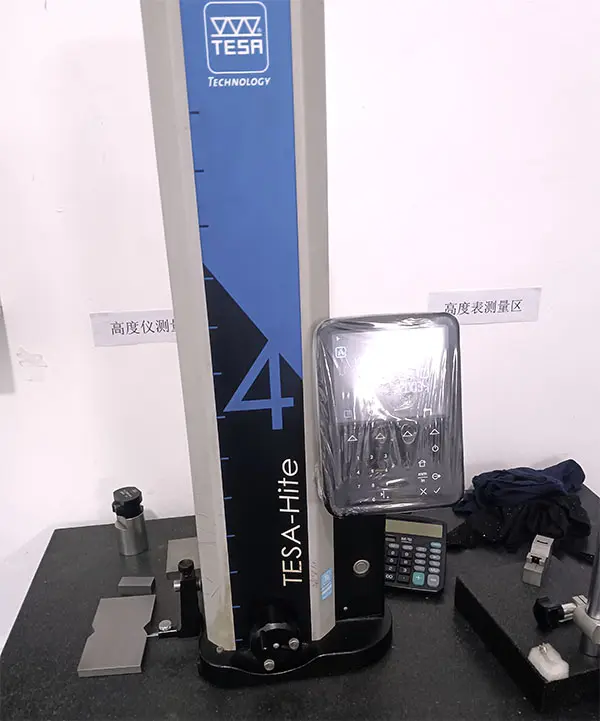
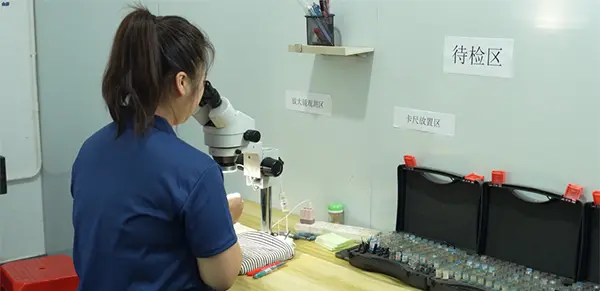
By implementing "Dry-Machining" protocols, we achieve surface roughness below 0.3μm. This microscopic smoothness is essential for salt spray resistance and ensuring that alternative metals perform identically to gold-plated Kovar in corrosive environments.
The company has a professional team of more than 100 people, of which technical engineers account for 30%.
Core members have been deeply engaged in precision metal processing for more than ten years, continuing to explore composite processing of special metals such as Kovar and titanium alloys, and layout cutting-edge packaging for 5G, AI, and new energy.
ISO 9001 certified quality management and intelligent production scheduling system. Xinyunyang has increased delivery efficiency of regular orders by 15%-20%, becoming a key supplier in global high-end manufacturing.
Silicon carbide (SiC) and Gallium Nitride (GaN) power modules require housings that can handle high heat without nickel-related thermal fatigue.
Laser diode modules in 800G transceivers utilize our Kovar-alternative carriers to maintain precise optical alignment across variable temperatures.
High-voltage battery sensors require hermetic protection. Our localized support ensures that components meet specific automotive AEC-Q200 standards.
Developing Aluminum-Silicon (AlSi) composites as high-conductivity, low-expansion Kovar alternatives for mobile 6G infrastructure.
Integrating AI-driven CNC path optimization to reduce waste in high-value alloys like Niobium and Tantalum, furthering "Green Manufacturing" goals.
Deploying ALD (Atomic Layer Deposition) to provide ultra-thin barrier layers on non-traditional alloys, enabling hermetic seals where previously impossible.
Yes. Through precise alloying of Titanium and Zirconium, or by using specific Stainless Steel grades (like 400 series) with controlled heat treatment, we can replicate the Kovar expansion curve for specific temperature ranges.
While the raw materials (like Titanium or Niobium) may have a higher base cost, the elimination of complex nickel-plating processes and the reduction in compliance-related testing often result in a lower Total Cost of Ownership (TCO).
Every component undergoes Helium Mass Spectrometer Leak Detection. We guarantee leak rates better than 1x10⁻⁸ atm·cc/sec, exceeding MIL-STD-883 standards.
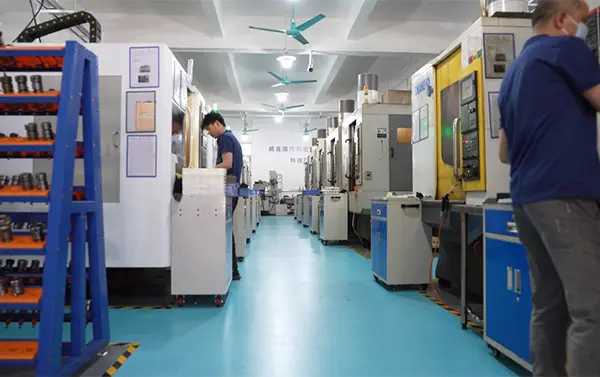
Absolutely. Our flexible CNC production lines are optimized for both high-volume industrial runs and precision prototyping for R&D projects.
 Xinyunyang Precision