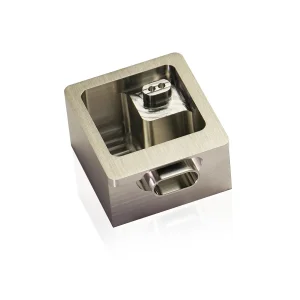
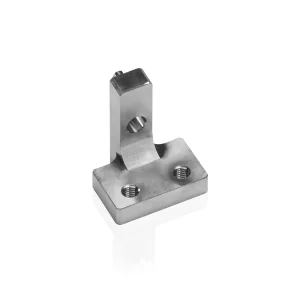
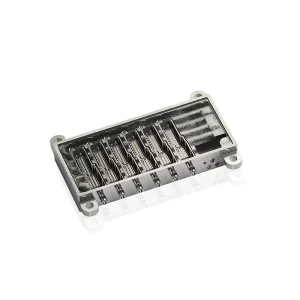
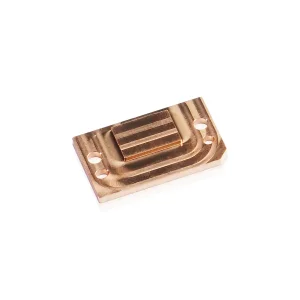
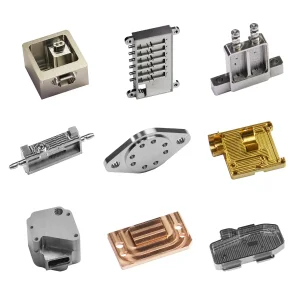
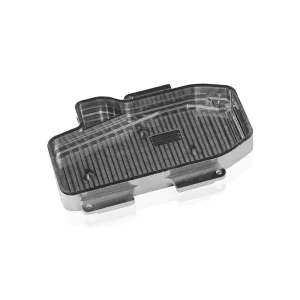
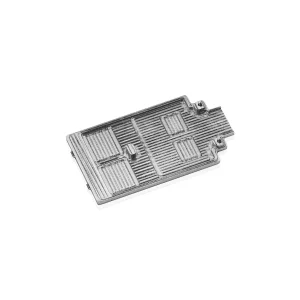
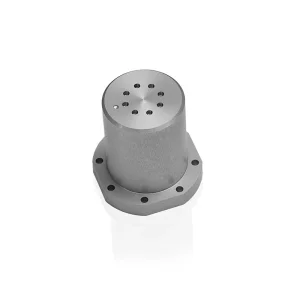
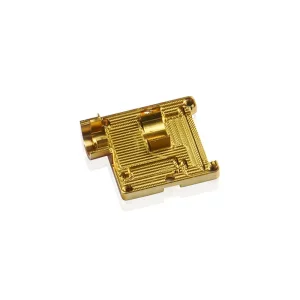
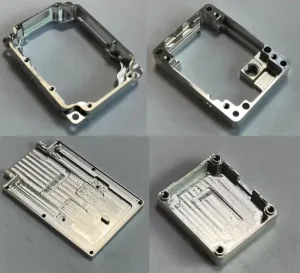
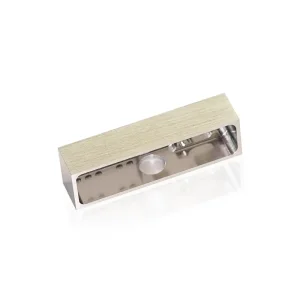
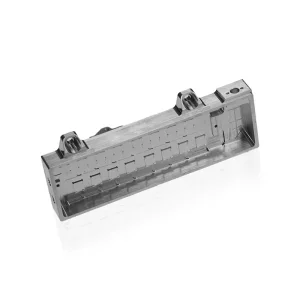
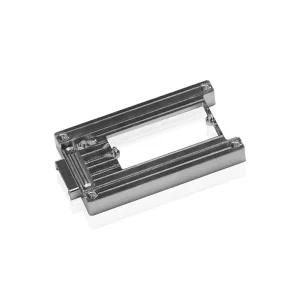
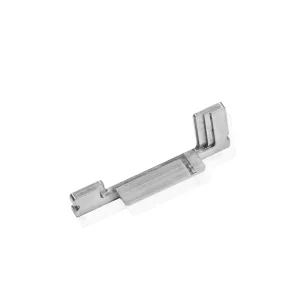
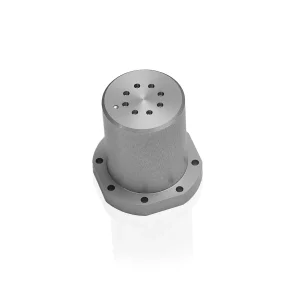
Kovar is a vacuum-melted, iron-nickel-cobalt alloy (nominally 29% Nickel, 17% Cobalt, and the balance Iron) specifically designed for high-integrity glass-to-metal and ceramic-to-metal sealing applications. The defining engineering property of Kovar is its **Coefficient of Thermal Expansion (CTE)**, which matches the expansion characteristics of borosilicate glasses (such as Pyrex or Corning 7052) and alumina ceramics over a wide temperature range, from cryogenic levels up to approximately 400°C (752°F).
In high-reliability electronics, micro-cracking at joint boundaries due to thermal mismatches can lead to catastrophic seal failure and vacuum loss. UL Certified Kovar guarantees that the structural purity of the alloy prevents phase transformation down to at least -196°C (-320°F), maintaining structural integrity under space flight, military theater conditions, or downhole oil extraction thermal extremes. The controlled chemistry limits trace elements such as Carbon, Silicon, and Manganese to sub-percent levels, securing a clean, bubble-free oxide layer during the pre-oxidation and sealing process.
Without matched expansion, thermal cycling introduces high tensile stresses across interfaces. Kovar's nominal thermal expansion of 5.1 × 10⁻⁶/°C exactly complements high-density borosilicate and ceramic envelopes, forming chemical-mechanical bonds impervious to helium molecular ingress.
| Physical / Mechanical Property | Value (Metric) | Value (Imperial) |
|---|---|---|
| Density | 8.36 g/cm³ | 0.302 lb/in³ |
| Thermal Conductivity | 17.3 W/m·K | 120 BTU·in/ft²·hr·°F |
| Coefficient of Thermal Expansion (30-400°C) | 5.1 × 10⁻⁶ /°C | 2.8 × 10⁻⁶ /°F |
| Tensile Strength (Annealed) | 517 MPa | 75,000 psi |
| Curie Temperature | 435 °C | 815 °F |
Forms unmatched chemical bonds with hard glasses by utilizing a micro-controlled oxide surface technique, ensuring absolute hermeticity.
Commonly metallized with molybdenum-manganese or nickel/gold to achieve robust vacuum brazing interfaces with Alumina (Al₂O₃).
Maintains fcc austenitic phase configuration without transitioning to martensite under extreme temperatures down to liquid nitrogen thresholds.
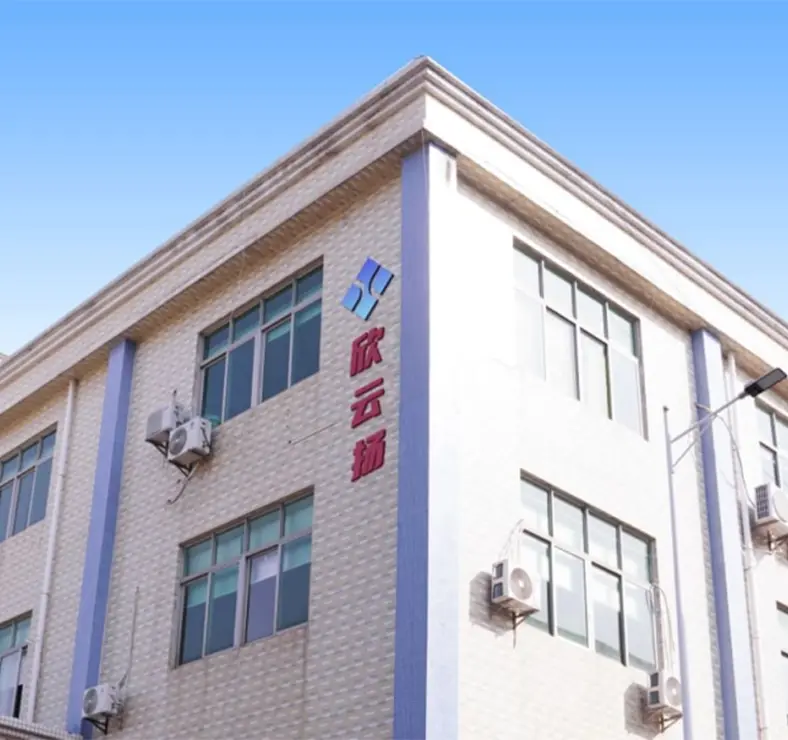
Xinyunyang Precision Technology Co., Ltd. is a famous company that was founded in November 2014. From the beginning, the company has adhered to its initial intention of industry, sticking to the business principles of Integrity, Innovation, Cooperation, and Sharing.
The company focuses on Kovar precision processing technology as its core competitiveness, deeply cultivates the fields of semiconductors, optical communications, aerospace, medical devices and new energy/military industry, and is committed to providing miniaturized, customized and high-reliability metal packaging solutions to global customers.
Our goal is to become a significant hermetic package lids, Kovar alloy components, and precision parts supplier in China and even worldwide after years of continuous effort, with the support of our partners and customers.
 High-precision processing capability
Advanced technology and equipment
Strict quality control
Flexible customized services
High-precision processing capability
Advanced technology and equipment
Strict quality control
Flexible customized services
Leveraging institutional metallurgy expertise, modern intelligent systems, and industry-leading design paradigms.
The company has built a highly specialized professional team of more than 100 people, of which technical engineers account for 30%. This concentrated allocation of scientific personnel allows us to execute rapid prototyping, feasibility studies, and complex structural finite element analyses (FEA) for customized Kovar geometries.
Our core members have been deeply engaged in precision metal processing for more than ten years. We continue to explore composite processing technology for specialized alloys like Kovar, Invar, and titanium, while proactively mapping out solutions for next-gen packaging in 5G telecommunications, high-speed artificial intelligence computing, and aerospace thermal management.
Utilizing our robust ISO 9001:2015 certified quality management system alongside custom intelligent production scheduling (MES), Xinyunyang has successfully optimized raw material streams to boost delivery speeds on custom orders by 15%-20%. We represent a crucial partner capable of delivering deep technical alignment and outstanding global logistical agility.
How American industrial innovators deploy UL Certified Kovar across key sectors.
The United States defense infrastructure demands highly robust hardware. Kovar is widely used in radar transceiver housings, microwave packages, and electronic countermeasures (ECM). Under high G-forces and sudden altitude changes, micro-cracks in non-certified alloys compromise hermeticity. Our UL certified Kovar components meet rigorous MIL-STD-883 standards, preventing ambient humidity from destroying fragile GaAs or GaN semiconductors inside.
As deep learning arrays require dense optoelectronic transceivers to route high-speed optical signals, thermal dissipation and matching expansions become paramount. Laser diode modules and photodetectors are packaged using Kovar header pins and lids. By maintaining structural alignment with optical fiber elements over severe temperature shifts, Kovar ensures minimum signal loss and low optical jitter.
In medical diagnostic equipment and long-term implantable devices (e.g., pacemaker housings, internal defibrillators), biological hermeticity is vital. The biocompatibility of ASTM F15 combined with specialized processing limits toxic outgassing and prevents bodily fluids from making contact with delicate microchips.
Aligning our precision engineering milestones with the global roadmap of emerging technologies.
Advancing multi-spindle Swiss machining capabilities to achieve tolerances down to ±0.005mm on micro-engineered Kovar lids. Refining electrolytic nickel and gold plating interfaces to prevent thermal diffusion at prolonged 300°C temperatures.
Engineering Kovar components optimized for cryogenic computing boxes. Achieving zero phase shift under ultra-low temperatures (10mK to 4K) to secure structural protection for superconducting quantum processing units (QPUs).
Combining expansion-matched Kovar structures with extremely high thermal conductivity substrates like diamond and silicon carbide (SiC) for high-frequency 6G optical transceivers and satellite communications.
Why combining Chinese manufacturing agility with Western standards maximizes ROI for USA companies.
We blend highly optimized supply chains in South China’s high-tech manufacturing corridors with localized, strict Western standards. This enables us to bypass standard production bottlenecks and maintain constant output schedules.
Global raw material pricing for nickel, cobalt, and specialty iron alloys can fluctuate. However, our direct relationships with major mills and raw material suppliers ensure a stable, continuous flow of vacuum-melted ASTM F15 Kovar, avoiding supply shocks and ensuring highly predictable lead times.
By implementing real-time MES digital floor control, Xinyunyang maximizes tool paths, reduces setup cycles for short runs, and decreases scrap rates below 0.2%. These production savings are passed directly to our North American and European OEM partners, enabling them to lower procurement costs for complex hermetic hardware by up to 25% compared to local domestic competitors.
Rigorous quality control and dedicated coordination channels to eliminate operational risks.
Every single batch of Kovar alloy we process is issued with full material test reports (MTRs), certifying heat numbers, precise chemical compositions (Ni, Co, Fe ratios), and physical properties in strict compliance with ASTM F15 specifications.
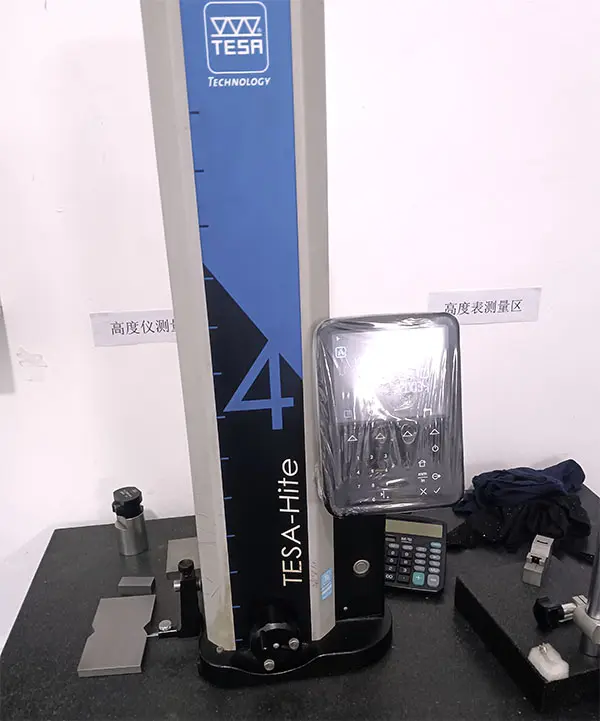
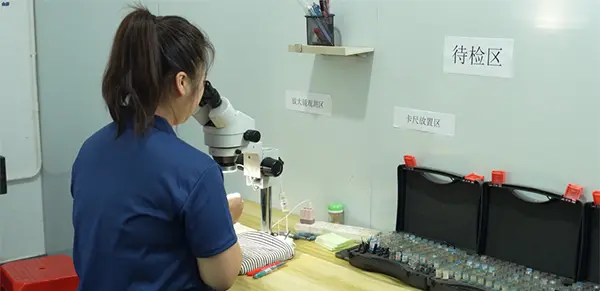
Our quality department utilizes fully automated CMM (Coordinate Measuring Machines), optical comparators, and high-vacuum helium leak detectors down to 1x10⁻⁸ mbar·l/s to guarantee 100% airtightness before shipment.
With experienced export logistics logistics, Xinyunyang manages complex clearance and maritime/air transport logistics. This ensures DDP/DAP shipments arrive smoothly at warehouses in Silicon Valley, Texas, or the East Coast.
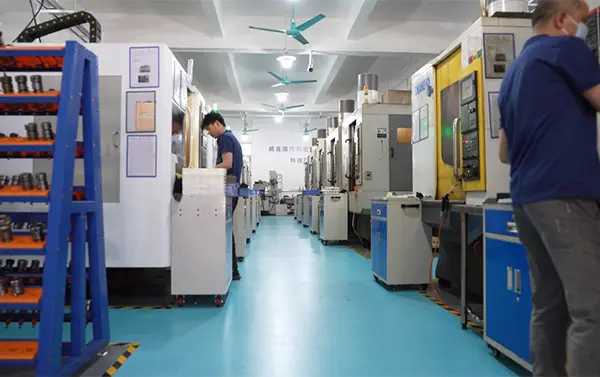
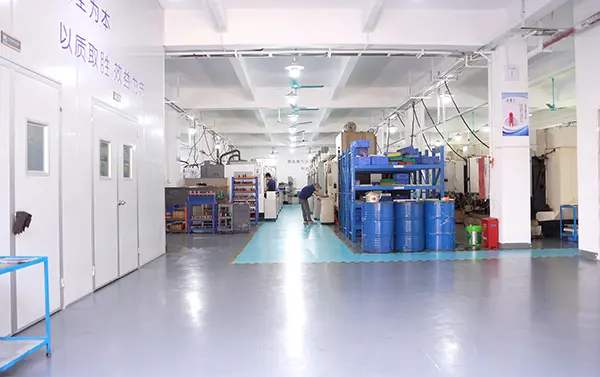
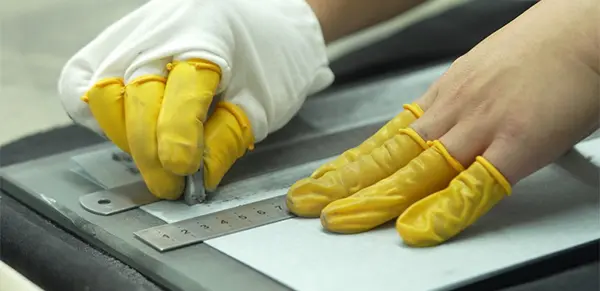
Inside Xinyunyang's state-of-the-art precision machining workshops and cleanrooms.
Detailed answers to vital metallurgical and logistical questions for procurement teams and designers.
 Xinyunyang Precision