 Xinyunyang Precision
The Strategic Evolution of 5-Axis CNC Manufacturing
In the modern era of Industry 4.0, "Homemade" in the context of high-end CNC manufacturing refers to the internal, proprietary control of complex production cycles—what we define as Vertical Integration of Precision Machining. The shift from traditional 3-axis to 5-axis CNC technology represents more than just an increase in axes; it signifies a revolution in geometric complexity and information gain for engineers.
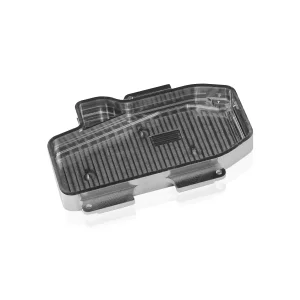
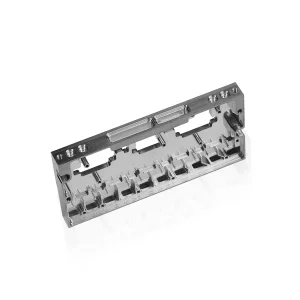
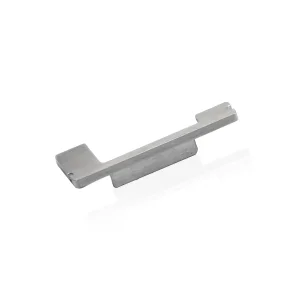
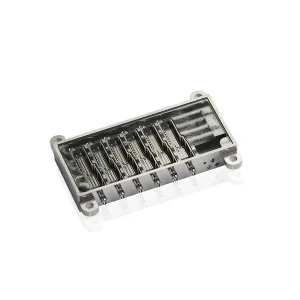
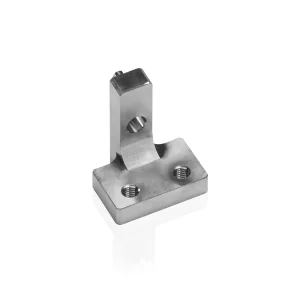
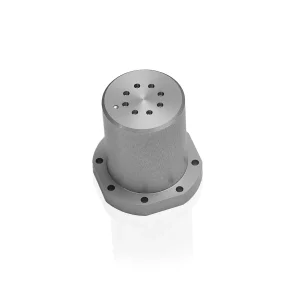
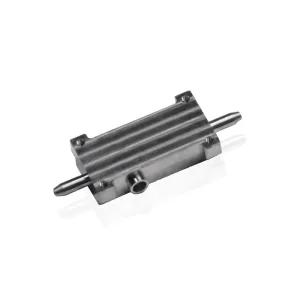
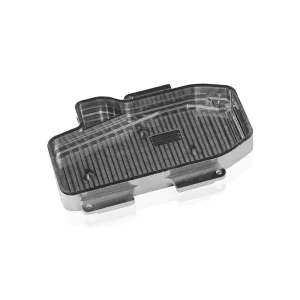
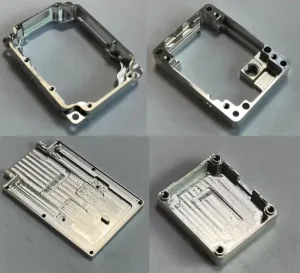
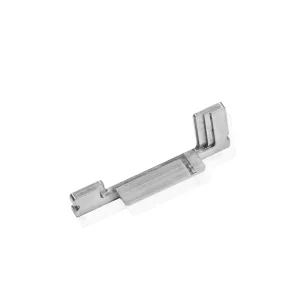
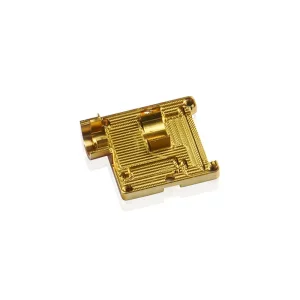
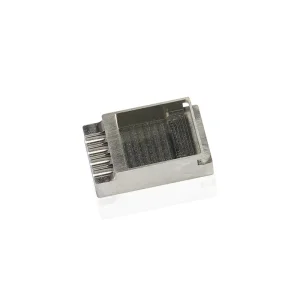
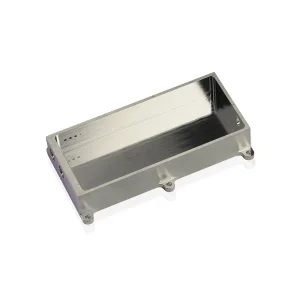
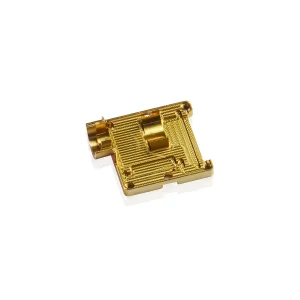
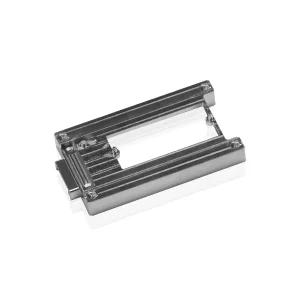
5-axis CNC machines allow the cutting tool and the workpiece to rotate in multiple directions, enabling the production of highly intricate parts—such as Kovar alloy connectors for aerospace or semiconductor hermetic seals—in a single setup. This minimizes human error, reduces downtime, and ensures a superior level of surface finish that 3-axis machines simply cannot replicate.
The Future Roadmap: AI and Digital Twins
Our roadmap involves integrating AI-driven path planning. By using Digital Twins, we simulate the manufacturing process before the first chip is cut. This preemptive problem-solving, coupled with our expertise in Kovar alloy processing, allows us to offer Information Gain to our clients: we don't just provide parts; we provide optimized engineering solutions that extend the lifecycle of your end-products.
Localization and Global Application
Whether it is aerospace instrumentation, medical device components, or 5G infrastructure, the localization of 5-axis CNC manufacturing brings global supply chain resilience. By maintaining "Homemade" (in-house) control over the manufacturing lifecycle, companies like Xinyunyang Precision Technology ensure that ESG standards, material compliance (RoHS/Conflict-Free), and extreme-precision tolerances are met without reliance on decentralized, unverified third-party job shops.