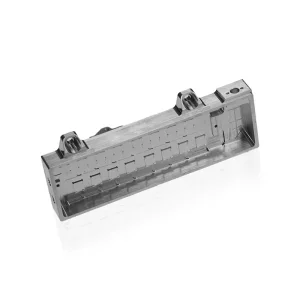
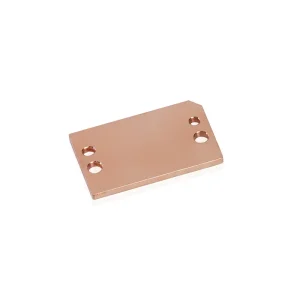
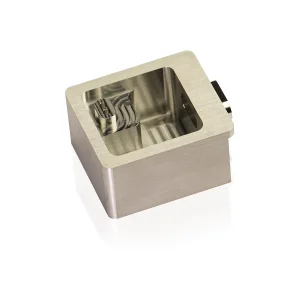
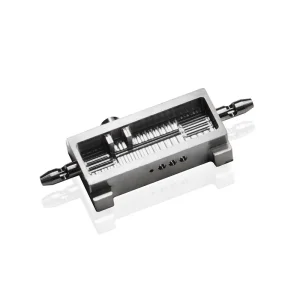
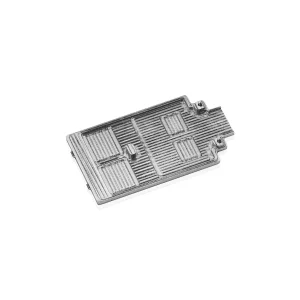
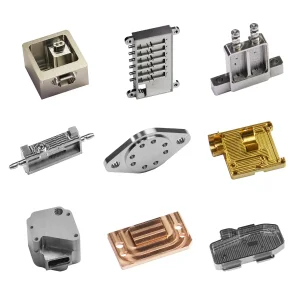
Explore our leading selection of engineered Kovar (4J29) components, custom packages, and micromachined structures, built to support rigorous bio-medical, defense, and high-frequency communication standards.
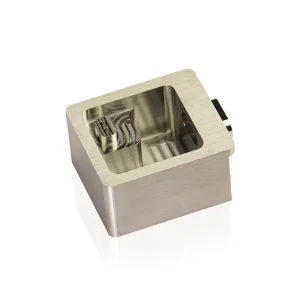
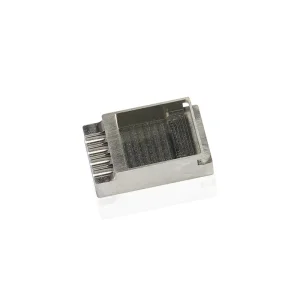
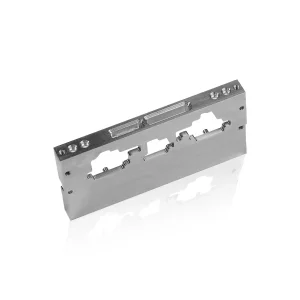
In the highly regulated world of Class III implantable medical devices, hermetic encapsulation stands as the line of defense protecting microelectronics from body fluids, and the human body from potentially toxic electrical components. Kovar alloy (ASTM F15), a nickel-cobalt-iron alloy, serves as the global gold standard for manufacturing ultra-reliable, hermetically sealed packages. This is due to its uniquely engineered Coefficient of Thermal Expansion (CTE), which matches perfectly with borosilicate glass and ceramic materials across a wide temperature spectrum.
Today, the global market for medical implant packaging is undergoing rapid transformation. Driven by the rise of smart, bio-integrated electronics, devices such as pacemakers, neurostimulators, cochlear implants, and drug delivery pumps require smaller, lighter, and more complex metal housings. Global device manufacturers (OEMs) demand manufacturing partners that offer microscopic structural integrity, biocompatible platings, and verified conflict-free metallurgical supply chains. High-end precision factories are transitioning from conventional machining to automated CNC micro-machining and advanced surface treatments to prevent failure rates in critical biological applications.
Medical packaging must survive the demanding, corrosive environment inside the human body. Simultaneously, it must support glass-to-metal sealing (GTMS) or ceramic-to-metal sealing (CTMS) to bring microelectronic pathways from the internal battery and circuitry out to external electrodes or biosensors. Here is why Kovar is structurally indispensable:
Matches perfectly with borosilicate glass. Prevents thermal stress and cracking during laser welding or heating, guaranteeing long-term hermeticity inside the human body.
When paired with ultra-pure nickel or gold electroplating, Kovar packaging provides exceptional resistance to saline and interstitial fluids, mitigating oxidation risks over decades.
Robust physical shell prevents deformation during internal body movements. Provides essential EMI/RFI shielding to protect implantable microcontrollers from external signals.
| Property / Specification | 4J29 Kovar Value (ASTM F15) | Medical Implant Relevancy |
|---|---|---|
| Coefficient of Thermal Expansion (20-400℃) | 4.6 × 10⁻⁶/℃ to 5.2 × 10⁻⁶/℃ | Zero crack growth in glass/ceramic feeding terminals. |
| Typical Chemical Composition | Ni 29%, Co 17%, Fe Balance | Optimized magnetic shielding and thermal expansion uniformity. |
| Machined Surface Roughness (Ra) | Down to < 0.3μm (Dry Machining) | Assures excellent adhesion for precious metal plating. |
| Hermetic Seal Rate | < 1×10⁻⁹ atm·cc/s He | Prevents moisture and ion penetration for 20+ years. |
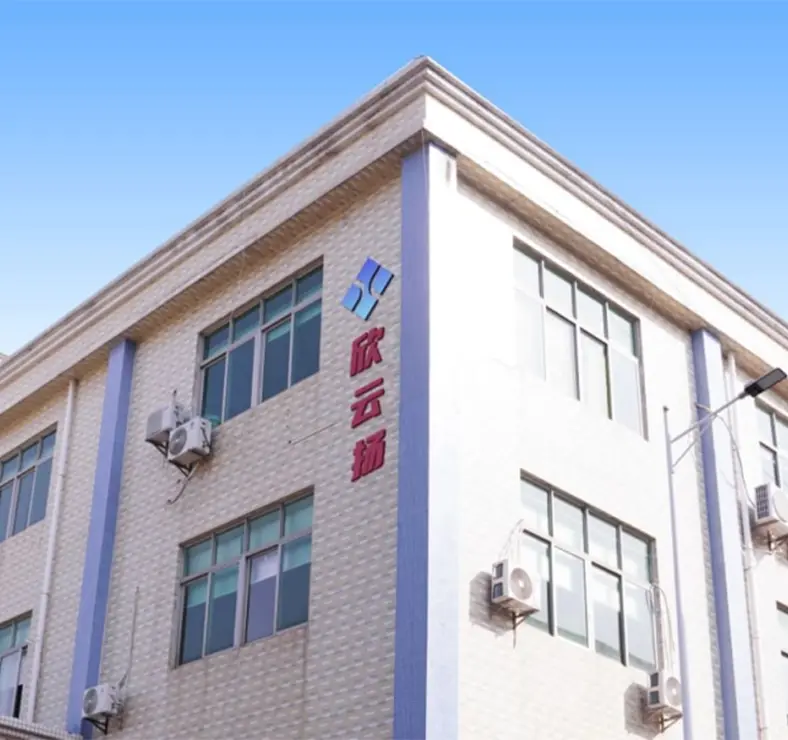
Founded in November 2014, Xinyunyang has adhered to its initial intention of industry, sticking to the business principles of Integrity, Innovation, Cooperation, and Sharing. The company focuses on Kovar precision processing technology as its core competitiveness, deeply cultivating the fields of semiconductors, optical communications, aerospace, medical devices, and new energy/military industry. We are dedicated to providing miniaturized, customized, and high-reliability metal packaging solutions to global customers.
 High-precision processing capability: Achieving tolerances in the single-digit micron range, critical for miniature implant components.
Advanced technology and equipment: Multi-axis CNC milling, ultra-precise Swiss lathes, and non-destructive quality testing suites.
Strict quality control: ISO 9001 certified pathways, multi-stage cleanroom validation, and 100% helium leak test protocols.
Flexible customized services: Rapid rapid-prototyping pipelines tailored to clinical trials and complex volume production requirements.
High-precision processing capability: Achieving tolerances in the single-digit micron range, critical for miniature implant components.
Advanced technology and equipment: Multi-axis CNC milling, ultra-precise Swiss lathes, and non-destructive quality testing suites.
Strict quality control: ISO 9001 certified pathways, multi-stage cleanroom validation, and 100% helium leak test protocols.
Flexible customized services: Rapid rapid-prototyping pipelines tailored to clinical trials and complex volume production requirements.
The company has a professional team of more than 100 people, of which technical engineers account for 30%. This concentrated engineering focus allows us to translate complex biomedical drawings into production realities efficiently.
Our core members have been deeply engaged in precision metal processing for more than ten years, and continue to explore the composite processing technology of special metals such as Kovar and titanium alloys, proactively laying out the cutting-edge packaging needs in the fields of 5G, artificial intelligence, and new energy.
With the ISO 9001 certified quality management system and intelligent production scheduling system, Xinyunyang has increased the delivery efficiency of regular orders by 15%-20%, becoming a key supplier with both technical depth and service breadth in the global high-end manufacturing industry chain.
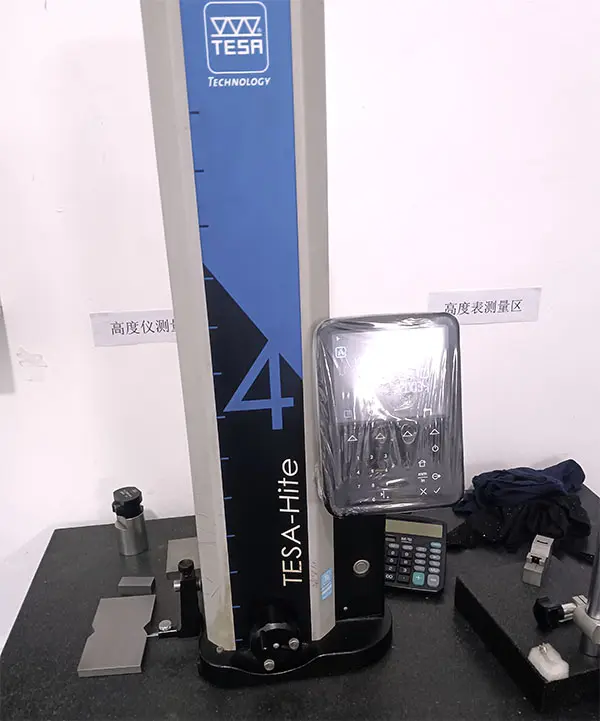
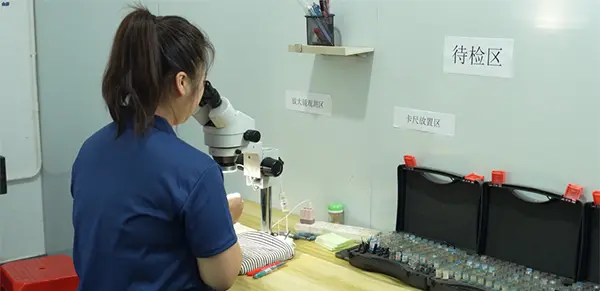
A firsthand look into our facility, testing stations, and production floor. Our optimized climate-controlled CNC production rooms support repeatable mechanical operations down to ±0.002mm tolerances.
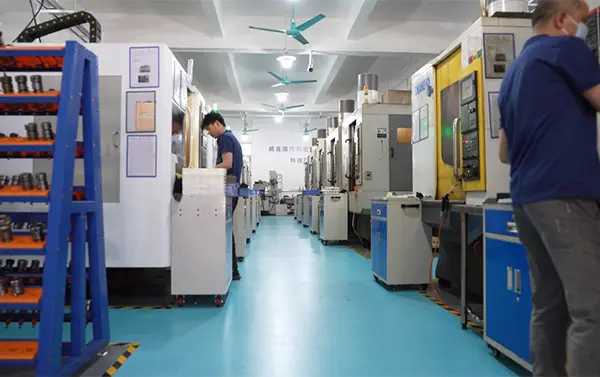
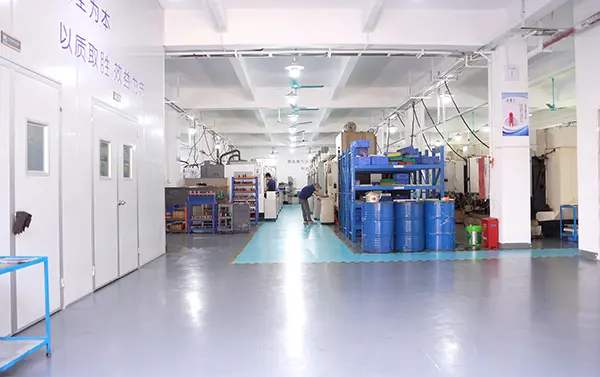
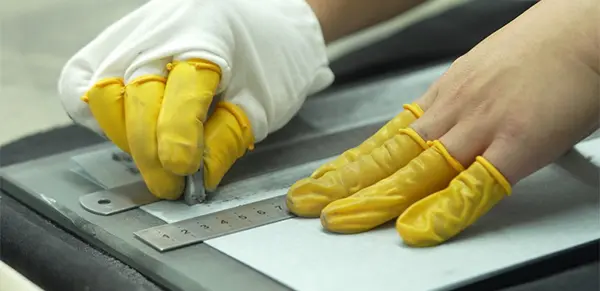
In the highly competitive medical hardware supply chain, balancing cost-effectiveness with zero-compromise quality is a continuous challenge for global procurement departments. Shenzhen-based manufacturers like Xinyunyang Precision Technology Co., Ltd. represent a strong strategic advantage in this arena. The integration of high-density supply chains in China allows raw materials, ultra-precise surface finishing (such as gold-over-nickel plating conforming to MIL-G-45204 standards), and logistics to converge seamlessly. This geographical advantage drastically reduces intermediate transport time and manufacturing overhead.
Additionally, Chinese factories have led the charge in implementing smart scheduling and digitized enterprise resource planning (ERP). By actively scheduling multi-shift runs, automated quality inspections, and optimizing machining path planning, Xinyunyang routinely reduces standard order cycle times by 15% to 20%. This efficiency enables global medical device developers to scale from prototyping phases to commercial production speeds far faster than traditional Western suppliers can offer.
Medical implant Kovar packages serve several critical human-device interfaces across the global market:
In sourcing medical-grade components, procurement directors base their purchasing decisions on specific, quantifiable risk factors. To facilitate optimal E-E-A-T alignment, we classify the top priorities below:
Strict adherence to REACH, RoHS, and conflict-free metal validation. Procurement officers must trace raw cobalt and nickel supply lines down to zero-conflict mine origins.
Perfect electroplating execution is vital. Gold or electroless nickel layers must be absolutely free of pores, cracks, and impurities to prevent catastrophic tissue-fluid reactions.
Devices are shrinking to enable minimally invasive surgeries. Sourcing partners must be capable of precision dry-machined cuts at Wall Thicknesses below 0.2mm.
1. Integration of Smart Biosensors: Modern medical packages are no longer passive boxes. They increasingly act as smart interfaces containing localized radiofrequency telemetry (e.g., matching the 5G or sub-GHz bands) allowing external wireless battery recharging and direct telemetry reporting. This transition relies on hybrid packages where Kovar forms the high-strength base structural frame while sapphire, quartz, or technical glass panes provide transparent signal pathways.
2. Zero-Plating Laser Welds: Innovations in dry machining with ultra-low surface roughness (Ra < 0.3μm) are allowing manufacturers to perform direct, filler-free laser welding processes. This eliminates thermal stress gradients during final sealing runs inside active clinical cleanrooms.
We address the most crucial technical and logistical queries that global procurement directors and medical device designers ask about implantable Kovar packages.
While titanium offers superb raw biocompatibility, its high Coefficient of Thermal Expansion (approx. 8.6×10⁻⁶/℃) is incompatible with borosilicate glass. During cooling cycles after a thermal seal run, titanium shrinks drastically, causing localized stress, micro-fractures, and eventual seal failure. Kovar matches the CTE of borosilicate glass almost perfectly (approx. 4.7×10⁻⁶/℃), preventing stress cracks and safeguarding internal circuitry against fluid leaks.
By using state-of-the-art dry-machining procedures, Xinyunyang achieves an ultra-smooth surface roughness of Ra < 0.3μm. This minimal roughness is critical. It avoids micro-gaps beneath standard gold or nickel plating layer interfaces, ensuring flawless surface coverage and eliminating local sites where galvanic corrosion could initiate inside clinical pathways.
Yes. We strictly source conflict-free ASTM F15 Kovar raw metals and ensure all processing, chemical degreasing, and electroplating lines are fully RoHS and REACH compliant. This complete compliance is vital for global medical companies striving to meet modern ESG (Environmental, Social, and Governance) targets.
Our ISO 9001 certified intelligent scheduling system monitors real-time cutting machine loads, material queues, and finishing runs. This eliminates systemic wait-times, allowing clinical device developers to run rapid prototype iterations, test mechanical seal parameters, and scale production seamlessly while maintaining highly predictable scheduling structures.
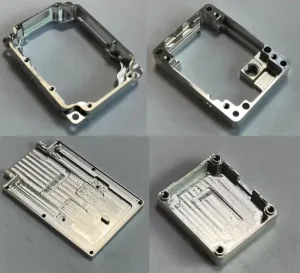
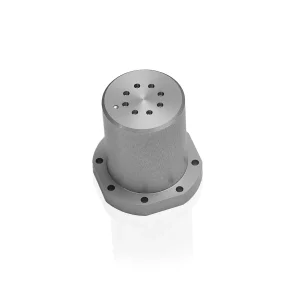
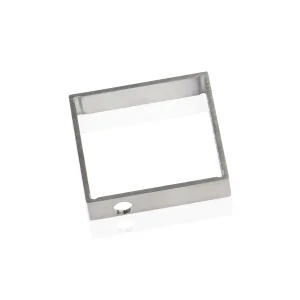
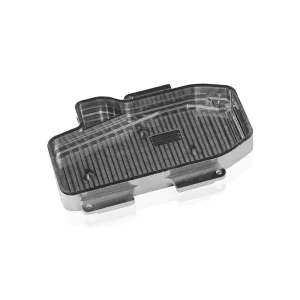
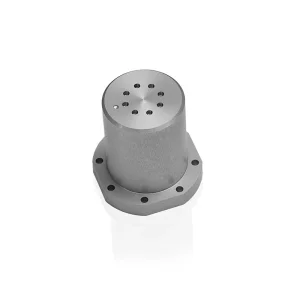
Browse the second half of our specialized precision product portfolio. These items showcase our deep technical versatility in machining ultra-precise custom industrial systems, micron-level fixtures, and certified military connections.
 Xinyunyang Precision