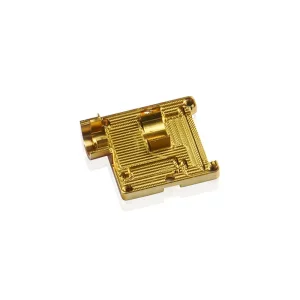
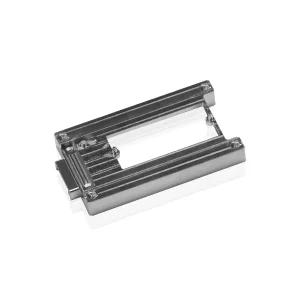
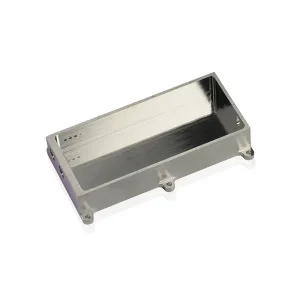
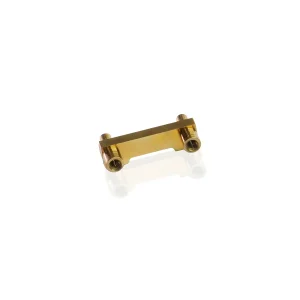
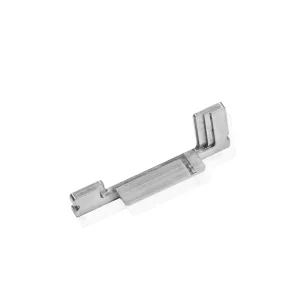
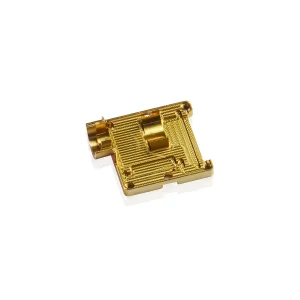
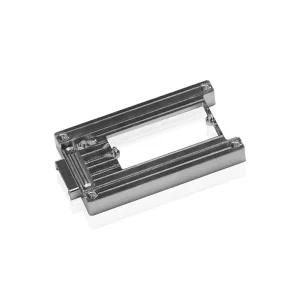
Engineered for extreme reliability, low outgassing, and matched thermal expansion coefficients.
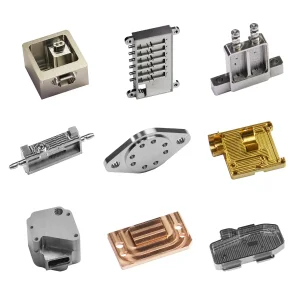
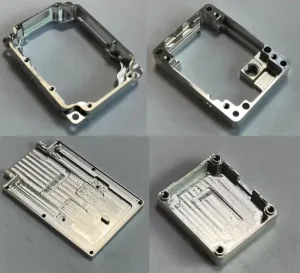
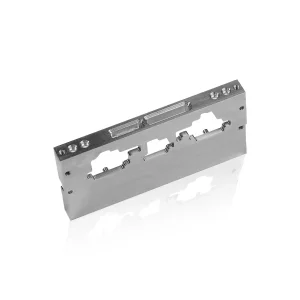
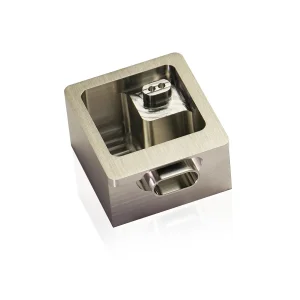
In high-frequency telecommunications, microelectronics, and deep-space missions, component failure is most frequently caused by thermal mismatch stress at interface boundaries. Standard metals such as steel, copper, or aluminum expand rapidly when exposed to temperature cycling. When these metals are fused to glass or ceramic substrates, the differential expansion creates structural micro-cracks, breaking the vacuum sealing and rendering the internal semiconductor chips useless.
Kovar (ASTM F15), a precisely balanced nominal composition of 29% Nickel, 17% Cobalt, and the balance Iron, is specifically formulated to overcome this vulnerability. Its expansion profile is custom-engineered to mirror that of borosilicate glasses (such as Corning 7052 or 7056) and alumina ceramics.
By maintaining a strictly linear Coefficient of Thermal Expansion (CTE) of approximately 5.1 × 10⁻⁶/°C from room temperature to over 400°C, Kovar enables robust, mechanical, and airtight interfaces that survive continuous thermal shock.
For European system integrators and Tier-1 aerospace OEMs, material pedigree is non-negotiable. TUV certification provides independent validation that Kovar alloys conform strictly to European safety standards, including complete chemical composition traceability, mechanical property validation under extreme temperatures, and RoHS/REACH compliance.
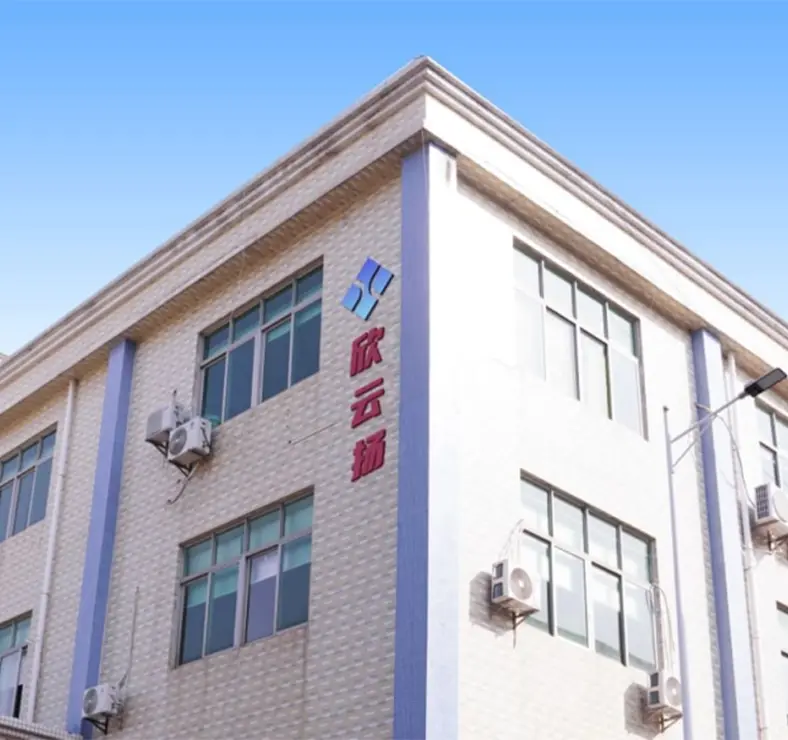
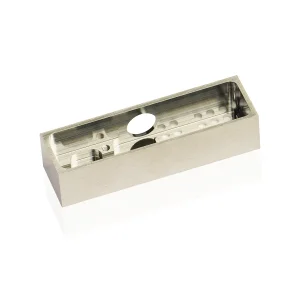
Established in November 2014, Xinyunyang Precision Technology Co., Ltd. has developed into a premier manufacturer of controlled expansion alloys, high-reliability hermetic packaging enclosures, and custom CNC machined components. Guided by the core operating principles of Integrity, Innovation, Cooperation, and Sharing, the company remains dedicated to advancing precision machining technologies.
We specialize in ultra-precision Kovar processing, delivering high-performance components to industries demands zero fail-rates—specifically semiconductors, 5G/6G optical communications, aerospace, defense, medical implants, and high-frequency microwave systems.
 High-Precision Processing
Advanced Machining Centers
Strict Quality Inspection
Customized Engineering
High-Precision Processing
Advanced Machining Centers
Strict Quality Inspection
Customized Engineering
Xinyunyang operates on three core technical pillars that bridge metallurgical research and sub-micron industrial execution. Our infrastructure guarantees consistent mechanical properties across massive wholesale volume batches destined for European distributors.
Our facility operates with over 100 highly skilled personnel, with R&D and application engineers representing over 30% of the total workforce, directing custom design adjustments for global integration.
Core engineering staff possess over a decade of deep domain experience in special alloys. We actively pioneer composite machining routes, dry cutting profiles, and stress-relief cycles for Kovar, Titanium, and Invar.
Our ISO 9001 quality infrastructure works alongside an automated MES scheduling system, increasing delivery efficiency for custom orders by 15% to 20% compared to traditional processing plants.
How Xinyunyang integrates material science and manufacturing scale to provide unbeatable European wholesale procurement pipelines.
By sourcing raw components from top-tier Chinese domestic metallurgists and running cutting, milling, vacuum annealing, and electroplating inside a single facility, we eliminate the logistics latency and material markups typical of European job-shops.
Equipped with ultra-precise multi-axis CNC machines and custom fixtures, we routinely execute dimensional tolerances down to ±0.005mm and surface roughness of Ra 0.4. This ensures flawless hermetic glass-to-metal bonding in subsequent processes.
Every export shipment includes CMM dimensional reports, RoHS/REACH compliance records, and gas leak detection documentation (helium leak rate < 1x10⁻⁹ Pa·m³/s). We stand as a reliable, direct partner for European aerospace OEMs.
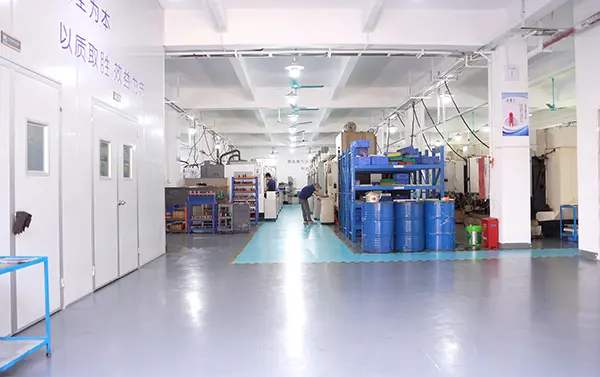
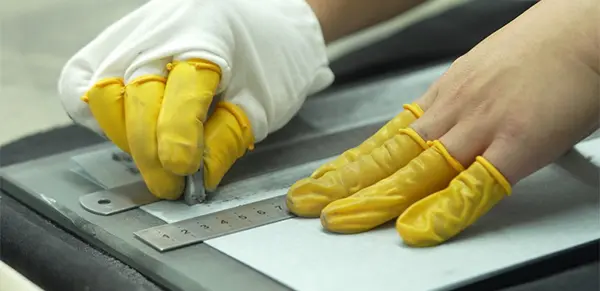
Take an inside look at our advanced production facilities and strict quality assurance departments.
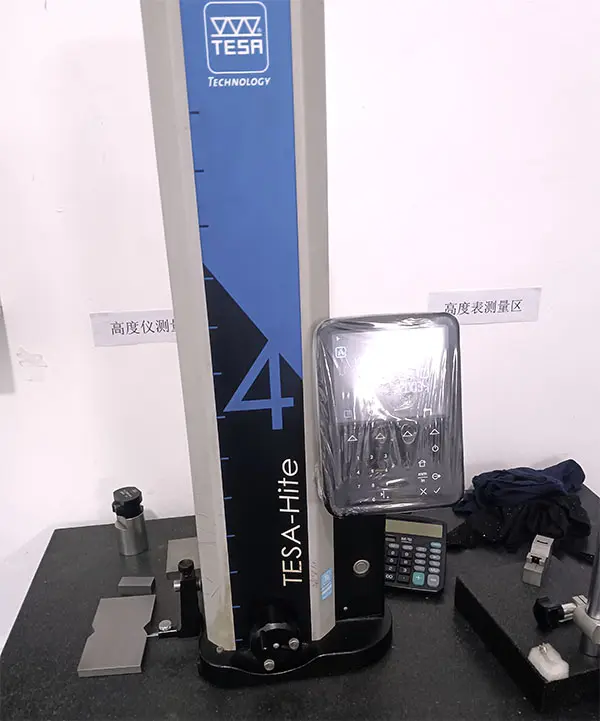
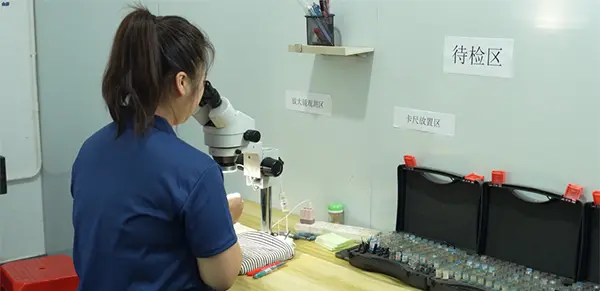
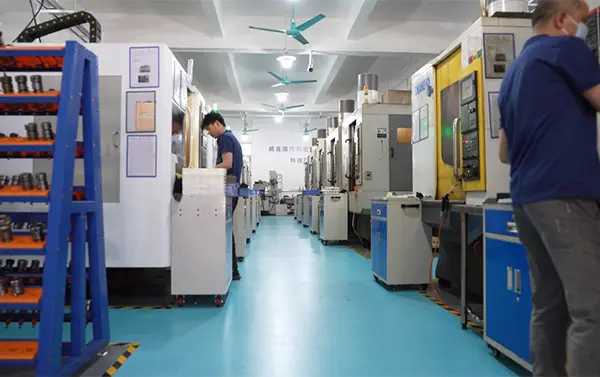
Analyzing the global technological shifts driving high demand for controlled-expansion metals across Europe.
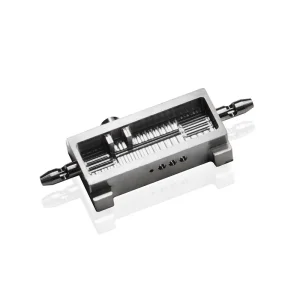
Modern telecom infrastructures operate at extremely high frequencies where signal loss is a critical concern. As transceivers migrate to 400G, 800G, and eventual Terahertz levels, signal paths require extremely shielded Kovar alloy enclosures. These enclosures house laser diodes, photo-detectors, and ceramic carrier boards. Kovar's matched thermal expansion prevents localized hotspots from micro-shifting optoelectronic alignments, guaranteeing optical path stability down to ±0.1 micron.
Satellites and high-altitude surveillance systems operate in environments with temperature variations ranging from -150°C to +150°C. Standard alloys quickly degrade under these conditions. Because our wholesale Kovar solutions are certified by TUV to meet strict ASTM specifications, they are increasingly specified for structural optical frames, camera brackets, and sensor packages on European rocket and satellite systems.
Medical implants, such as pacemakers and neurological stimulators, must remain completely sealed against bodily fluids for decades. This requires hermetic glass-to-metal seals that can withstand biological environments without leaking. Our micro-processed, biocompatible, gold-plated Kovar housings provide the required longevity, protecting internal circuits from moisture incursion.
As quantum computers operate close to absolute zero (Kelvin scale), materials must survive cryo-cycling without structural degradation. Kovar's phase stability down to cryo temperatures makes it a key material for quantum processor frames, shielding boxes, and critical multi-pin feedthrough arrays.
Deep technical answers from Xinyunyang's core metallurgical and machining engineering departments.
Certified, high-yield components matching European quality metrics.
 Xinyunyang Precision