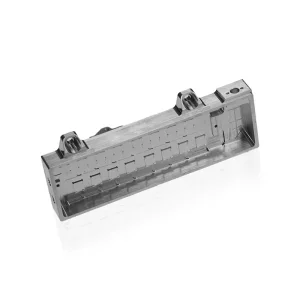
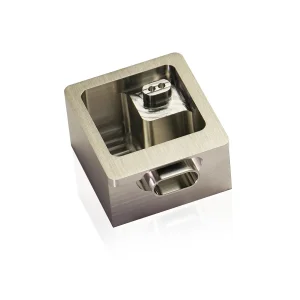
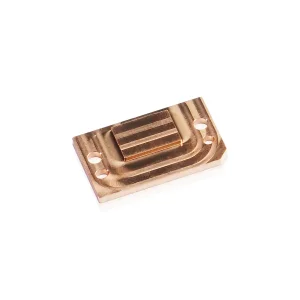
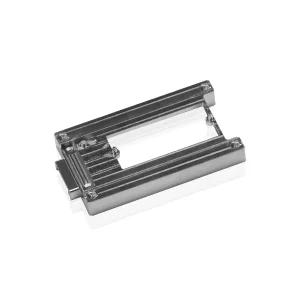
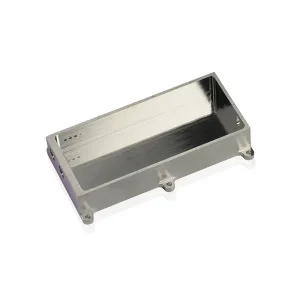
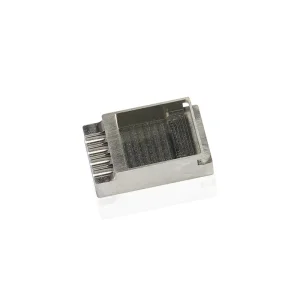
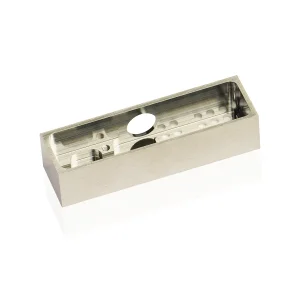
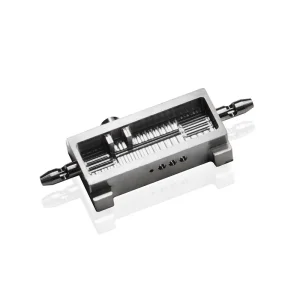
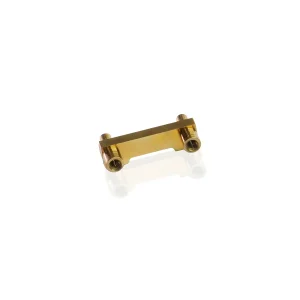
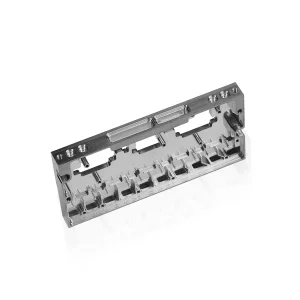
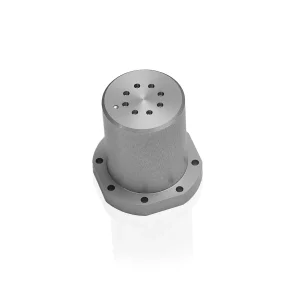
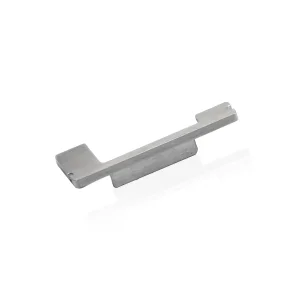
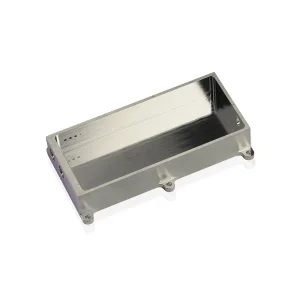
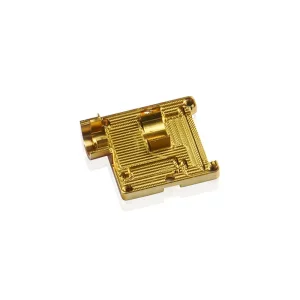
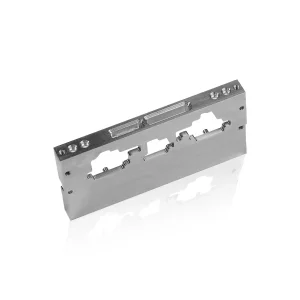
In the modern industrial landscape, a CNC Machine Keyboard is not merely an input device; it is a critical interface component engineered for harsh environments, high reliability, and extreme precision. As Industry 4.0 accelerates, the demand for ruggedized, high-performance Human-Machine Interfaces (HMI) has skyrocketed. Procurement managers are increasingly seeking suppliers who offer deep metallurgical expertise—such as Kovar alloy processing, aluminum structural manufacturing, and hermetic sealing technologies—to ensure that keyboards can withstand vibration, chemical exposure, and thermal cycling.
China has emerged as the global epicenter for precision manufacturing, offering a unique efficiency advantage. Unlike generic electronic suppliers, top-tier Chinese factories specializing in CNC machining integrate supply chain management with advanced R&D. By utilizing proprietary Kovar processing and multi-axis CNC machining, these manufacturers provide scalable, high-durability keyboards and housing components that meet stringent global standards (RoHS, ESG compliance).
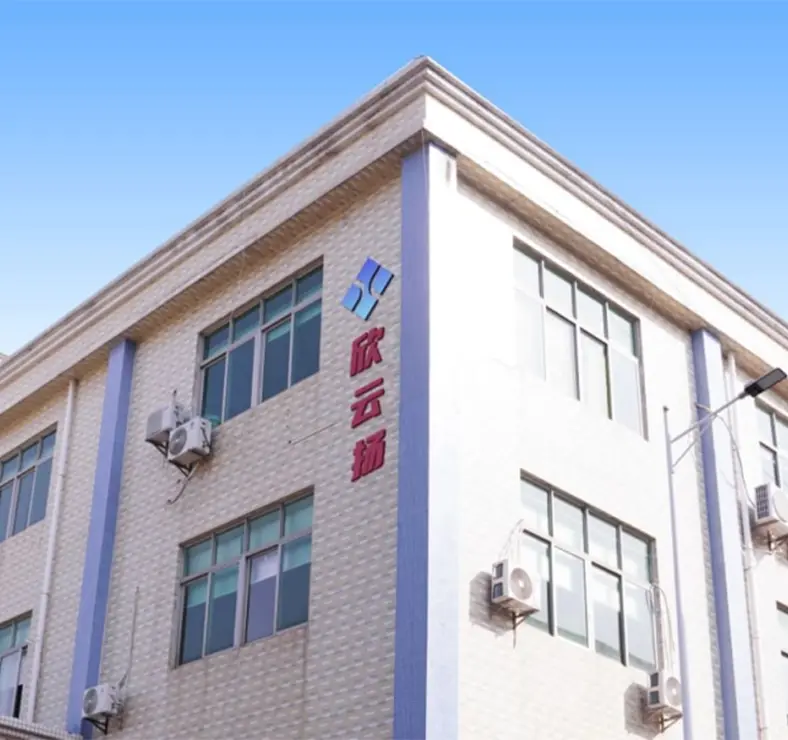
Founded in November 2014, Xinyunyang has adhered to principles of Integrity, Innovation, Cooperation, and Sharing. We specialize in Kovar precision processing, a core technology that differentiates our keyboard and electronic enclosure components in the semiconductor, aerospace, and medical device sectors.
Our team comprises over 100 professionals, with technical engineers making up 30% of our workforce, ensuring deep expertise in complex metal assemblies.
We are pioneers in Kovar and titanium alloy composite processing, proactively setting standards for 5G, AI, and new energy infrastructure.
ISO 9001 certified with intelligent production scheduling, we have increased order delivery efficiency by 15%-20%, serving global high-end chains.
The global CNC keyboard and industrial peripheral market is shifting towards customized, localized, and modular solutions. Buyers are no longer looking for "off-the-shelf" components. Instead, they seek partners who can perform "Design for Manufacturing" (DFM) to optimize material usage, reduce weight (e.g., using specialized aluminum alloys), and ensure signal integrity in electromagnetic environments.
 Xinyunyang Precision