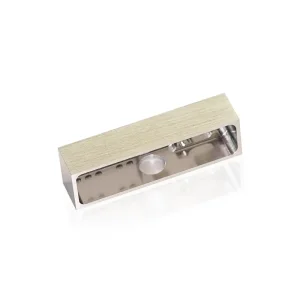
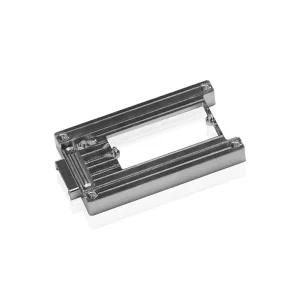
High-tolerance customized solutions engineered for optical communications, semiconductors, and extreme aerospace environments.
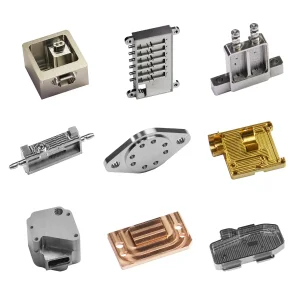
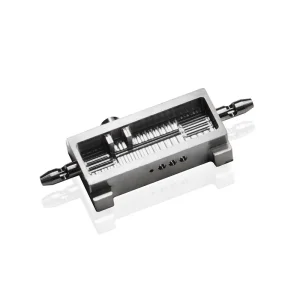
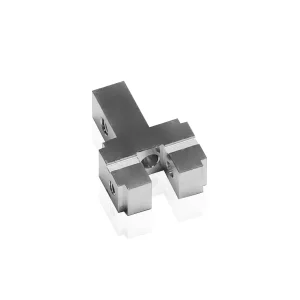
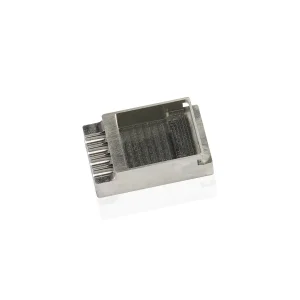
In high-tech manufacturing ecosystems, the term "tolerance" is far more than a nominal value on an engineering draft. It is the core boundary separating operational failure from seamless mechanical synchronization. For global systems integrators, purchasing agents, and technical directors searching to buy CNC Machining Tolerances Suppliers & Factories, finding a partner that demonstrates mastery over GD&T (Geometric Dimensioning and Tolerancing), thermal drift management, and material microstructures is critical.
Precision CNC machining components operate in extreme environments: cryogenic setups in quantum computing chambers, orbit-bound telecommunication satellites, high-temperature combustion systems, and medical diagnostics instruments. When tolerances are as tight as ±0.005mm (or sub-micron levels), standard manufacturing processes fail. Factors such as tool vibration, internal material stresses, and structural micro-displacement during clamping must be controlled through highly sophisticated engineering countermeasures.
Expert Insights (E-E-A-T Principle): When processing advanced alloys like Kovar (ASTM F15), Titanium Grade 5, or High-purity Copper, matching the thermal expansion characteristics of the manufacturing equipment with the raw workpiece is crucial to eliminating dimensional drift. Advanced facilities leverage climate-regulated environments to secure persistent accuracy.
Consider the semiconductor and optoelectronics packaging sectors. These applications depend heavily on glass-to-metal sealing (GTMS) or ceramic-to-metal brazing. A minor mismatch in the Coefficient of Thermal Expansion (CTE) between the metallic package base and the ceramic substrate or glass window will lead to structural hermetic seal compromises under thermal cycling. This is where Kovar alloy (composed of approximately 29% Nickel, 17% Cobalt, and the balance Iron) becomes critical. Kovar is specifically engineered to exhibit expansion behaviors closely resembling borosilicate glass and alumina ceramics.
However, machining Kovar is notoriously difficult. Its high ductility, low thermal conductivity, and work-hardening traits require advanced cutting parameters, ultra-rigid tool setups, and specialized coolants. Working with a dedicated provider who understands how to maintain these extreme tolerances while preventing stress deformation ensures high yields during hermetic sealing steps downstream.
Our operation, Xinyunyang Precision Technology Co., Ltd. (founded in November 2014), has evolved its technical core specifically to address the demanding tolerance and material properties required by international markets. By focusing on Kovar precision processing technology, semiconductors, aerospace, and medical sectors, our R&D capabilities resolve real-world bottlenecks for global enterprises.
For international procurers looking to optimize budgets without risking quality, the Chinese precision ecosystem represents a powerful solution. The synergy within advanced industrial hubs, particularly in the South China precision manufacturing cluster, provides distinct supply chain benefits:
Sourcing precision CNC machined parts globally requires strict compliance and risk assessment. Procurement executives must evaluate several parameters beyond the initial unit quote. These encompass RoHS & REACH environmental conformity, raw material trace audits, conflict-free mineral verifications, and cross-border logistics guarantees.
At Xinyunyang, we resolve international procurement friction through rigorous quality assurance documentation, material batch certification, transparent logistics pipelines, and direct integration with overseas engineering teams via detailed secure digital channels. By adhering to international aerospace and semiconductor standards, we ensure that components destined for integration in the US, European, or Asian mainland perform flawlessly upon arrival.
In high-speed optoelectronics, sub-micron tolerances on mounting brackets and ceramic-to-metal optical boxes are required. A micro-displacement of a laser diode package relative to its focusing lens by just a few microns can cause catastrophic signal coupling attenuation, rendering high-speed networks non-functional.
Components in aerospace systems face immense thermal shock during launch and orbital cycles. Deep space and atmospheric pressure dynamics require absolute hermetic seals. Our customized Kovar alloy hermetic package lids and structural connectors provide the thermal matching necessary to survive these environments without stress fracturing.
Within MRI and advanced computed tomography devices, precision components constructed from non-magnetic or highly controlled magnetic permeability metals (such as stabilized titanium or Kovar) must resist electromagnetic noise while offering structural precision to hold highly sensitive detectors in rigid alignment.
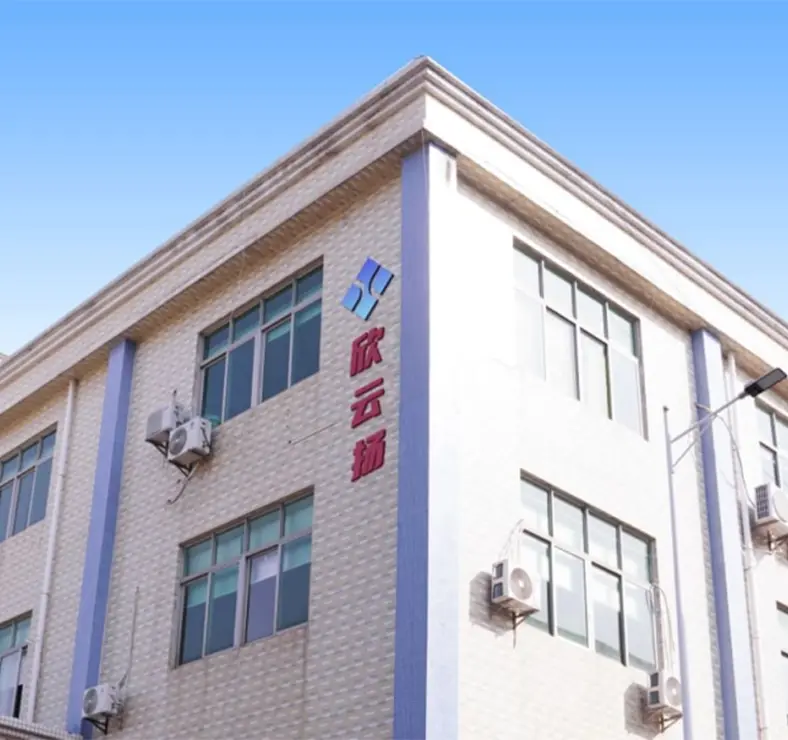
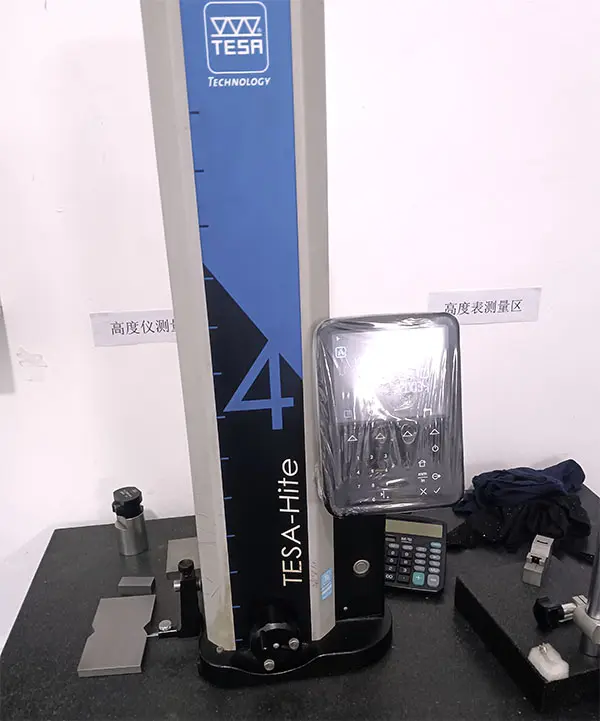
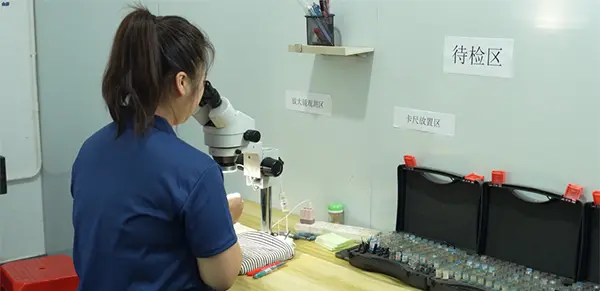
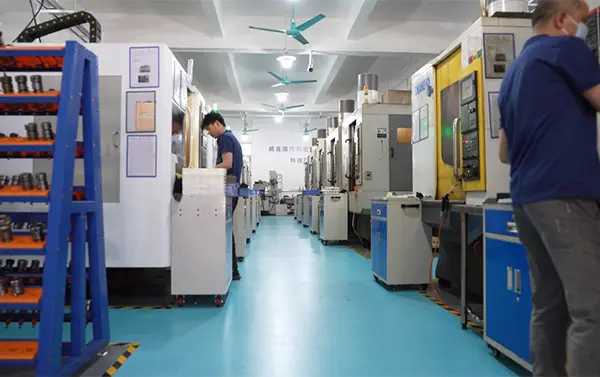
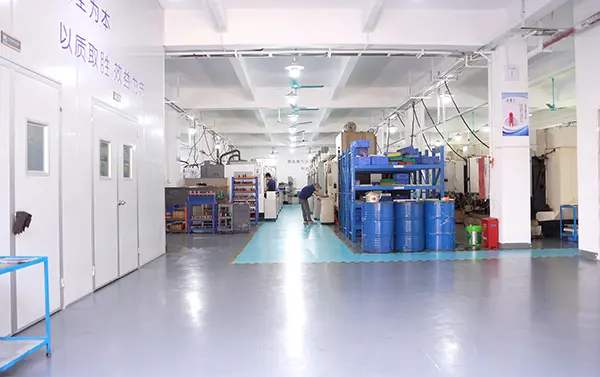
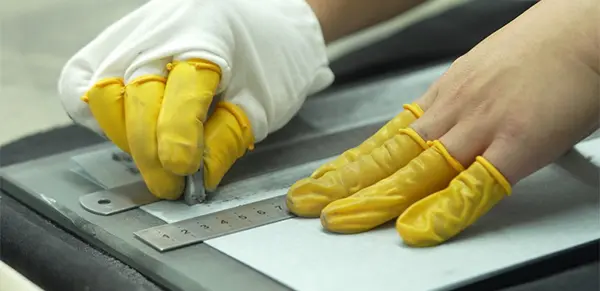
Inside Xinyunyang: Advanced manufacturing suites, temperature-stabilized metrology labs, and state-of-the-art precision technology.
Technical answers addressing the complex nuances of buying, checking, and validating micron-level components.
Expanding modern systems capabilities with highly reliable components constructed from advanced stainless steels, lightweight alloys, and ceramics.
 Xinyunyang Precision