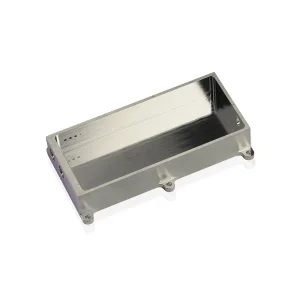
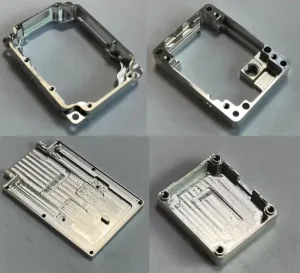
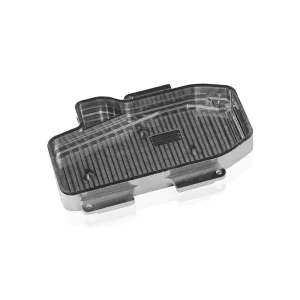
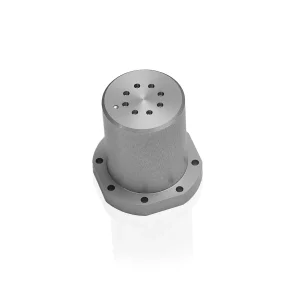
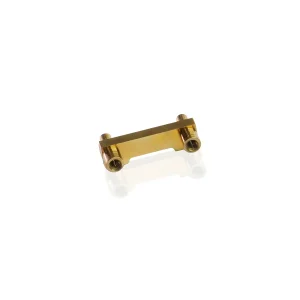
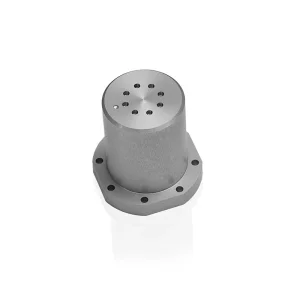
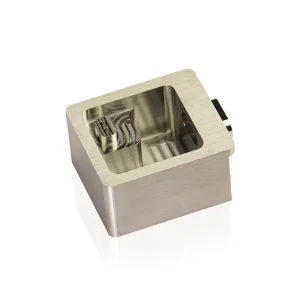
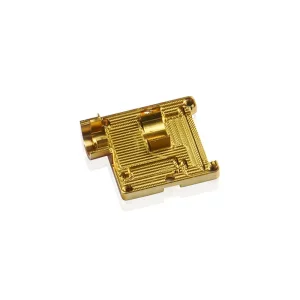
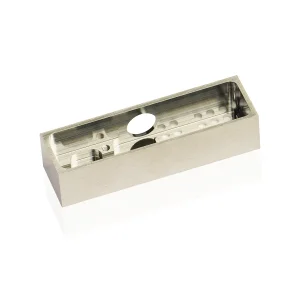
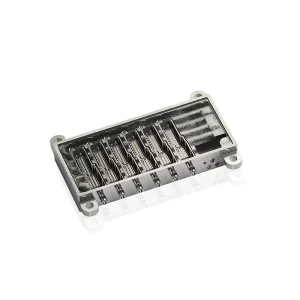
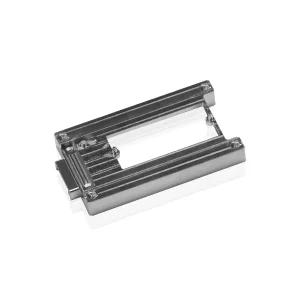
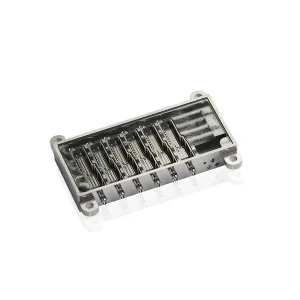
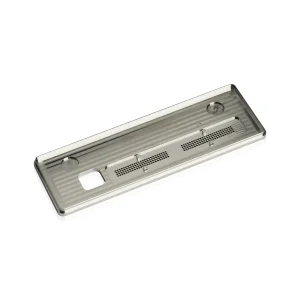
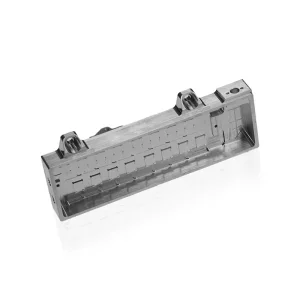
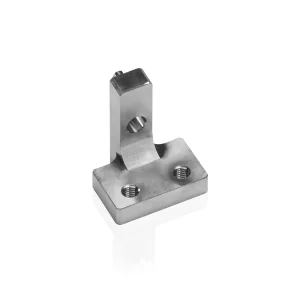
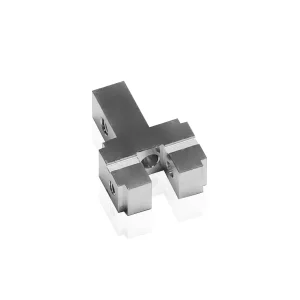
Discover our custom hermetic packages and CNC micro-machined components designed for demanding thermal-expansion matching applications.
A deep scientific examination of why Kovar remains the irreplaceable benchmark for advanced electronic packaging.
In high-reliability microelectronic packaging, thermal stresses represent one of the most critical structural hazards. Components utilized in aerospace, deep-space communication, subsea telecom, and medical implants operate within harsh, volatile thermal gradients. Standard materials like copper or aluminum exhibit high thermal expansion rates which, when bonded directly to glass or high-performance ceramic substrates, induce catastrophic stresses leading to seal ruptures and eventual package failures. This is where Kovar (ASTM F15 Alloy) bridges the engineering gap.
Kovar is a vacuum-melted, iron-nickel-cobalt alloy formulated precisely to exhibit thermal expansion characteristics that mimic those of hard borosilicate glasses (such as Corning 7052 or Pyrex) and high-purity alumina ceramics. This precise thermal coefficient match minimizes internal stress differentials across a broad temperature range (-80°C to 450°C), facilitating reliable, robust Glass-to-Metal Seals (GTMS) and Ceramic-to-Metal hermetic packaging interfaces.
Our raw material undergoes stringent vacuum induction melting (VIM) and vacuum arc remelting (VAR) processes to guarantee uniform elemental distributions, minimizing trace impurities that might impair magnetic transition behavior or plating performance. The typical chemical balance is strictly managed to the following configuration:
| Element | Composition Percentage (Nominal) | Technical Impact on Performance |
|---|---|---|
| Nickel (Ni) | 29.0% | Stabilizes the austenitic phase down to cryo-temperatures; defines the base Curie transition point. |
| Cobalt (Co) | 17.0% | Controls the expansion behavior below the Curie temperature, shifting the inflection point outward. |
| Iron (Fe) | Balance (approx. 53%) | Provides high structural strength, rigidity, and the core structural matrix for the alloy. |
| Manganese (Mn) | < 0.50% | Acts as a deoxidizer and aids hot workability during primary billet forging. |
| Silicon (Si) | < 0.20% | Assists in molten flow purification; kept at trace levels to avoid crystallization brittleness. |
| Carbon (C) | < 0.04% | Strictly limited to prevent carbide precipitation at grain boundaries which triggers micro-leaks. |
The core defining feature of RoHS Compliant Kovar parts is their tailored rate of thermal expansion. The linear expansion behavior remains highly stable up to the critical Curie inflection point (approximately 435°C), matching the expansion slope of borosilicate glasses perfectly. Below are the definitive nominal CTE values utilized by our quality engineers to validate part geometries:
Founded in November 2014, Xinyunyang Precision Technology Co., Ltd. has steadfastly adhered to the foundational values of Integrity, Innovation, Cooperation, and Sharing. Over years of focused hard work, backed by our core technology partners and international clients, we have evolved into a primary manufacturer of hermetic package lids, high-density Kovar alloy components, and micro-precision parts.
Our production capacity is built around Kovar precision processing technology. We serve global clients operating in sectors demanding uncompromising quality standards, including semiconductors, optical communications, aerospace, advanced medical devices, and clean energy/defense electronics.
 High-precision processing capability across micro-dimensions Advanced multi-axis CNC machines and automated inspection Stringent ISO 9001 certified quality control systems Ultra-flexible customized rapid prototyping to mass-production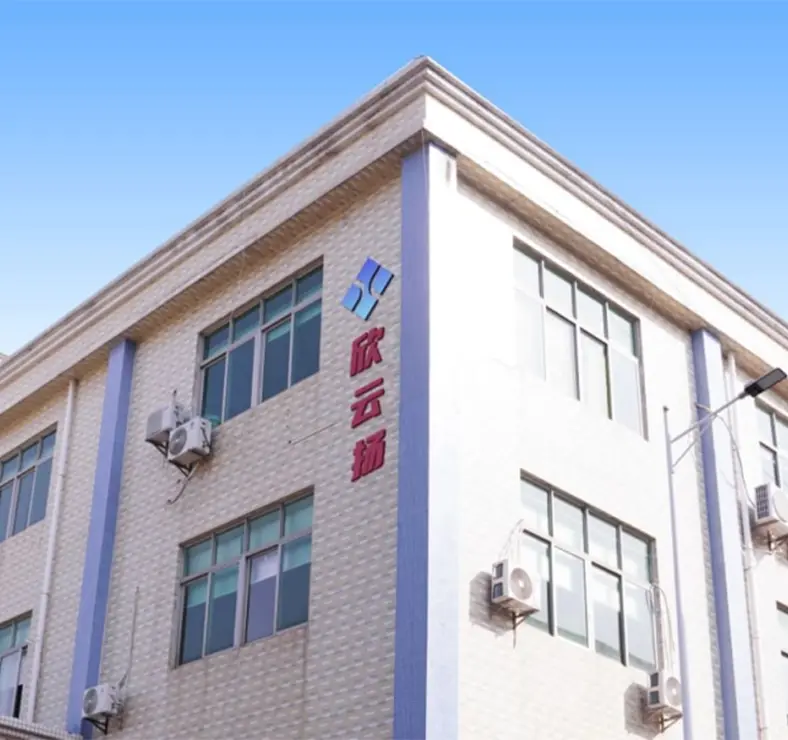
We host a specialist team of over 100 professionals, where engineering and technology design talent constitutes a massive 30% of the entire workforce.
Our core technical leaders have been deeply anchored in high-precision metal machining for more than 10 years, actively optimizing special composite processing of Kovar, titanium, and other refractory alloys for 5G, AI, and advanced defense packaging.
By leveraging an ISO 9001 quality framework and smart MES production scheduling, we boost logistics and custom lead times by 15%-20%, solidifying our standing as a primary vendor in global high-end supply chains.
Unlocking superior performance and long-term mechanical reliability for next-generation hardware architectures.
Butterfly laser packages, TOSA/ROSA fiber headers, and high-frequency optical transceivers demand exact dimensional margins and thermal matching to avoid signal polarization or optical misalignment. Our Kovar parts guarantee long-term sub-micron alignment under severe cycles.
Modern microprocessors, power IC modules, and sensor assemblies rely on matched packaging materials to prevent micro-cracks inside the silicon die. Our RoHS compliant packages provide optimal mechanical support and shielding in highly integrated environments.
Mission-critical radar systems, satellite telemetry payloads, and high-g flight sensors endure high vibration and rapid temperature drops. Our ultra-purified Kovar housings offer high structural integrity with zero outgassing under deep-space vacuums.
Biomedical microelectronics require completely hermetic enclosures to shield sensitive telemetry circuits from bodily fluids. Our strict raw material trace controls allow custom titanium and biocompatible Kovar assemblies to comply with strict medical guidelines.
Fully compliant with Directive (EU) 2015/863, our processes eliminate hazardous heavy metal contamination (Pb, Hg, Cd, Cr VI, etc.) along the entire supply chain, enabling fluid distribution across European and North American markets.
We deploy precise electroless nickel (EN) plating, gold plating, and custom barrier diffusion layers designed to avoid tin whisker growth and guarantee premium solderability for subsequent assembly phases.
Step inside Xinyunyang's high-precision manufacturing, engineering, and quality validation lines.
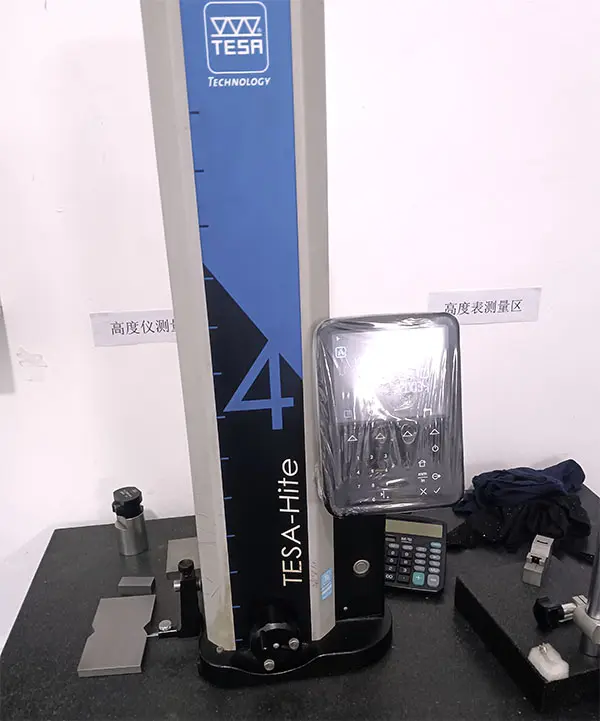
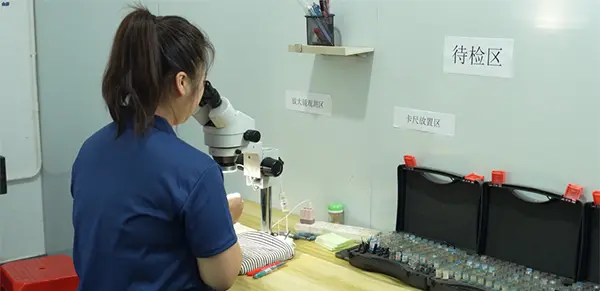
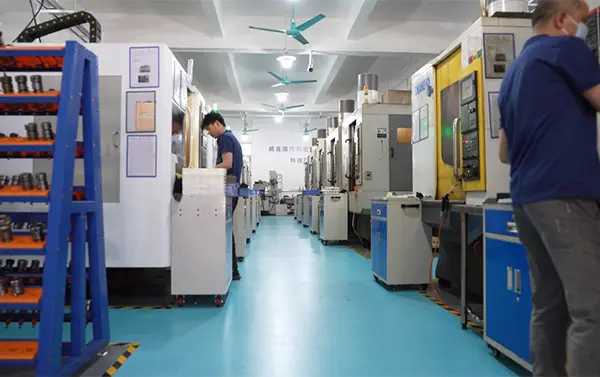
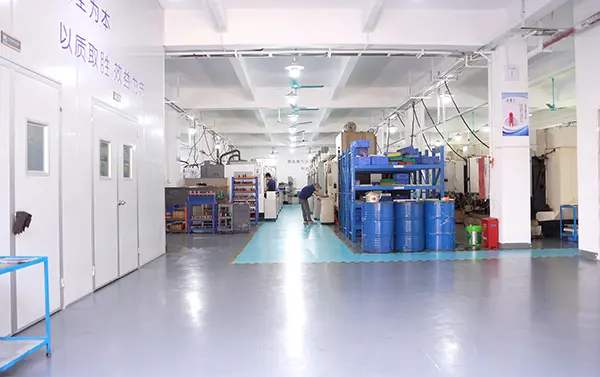
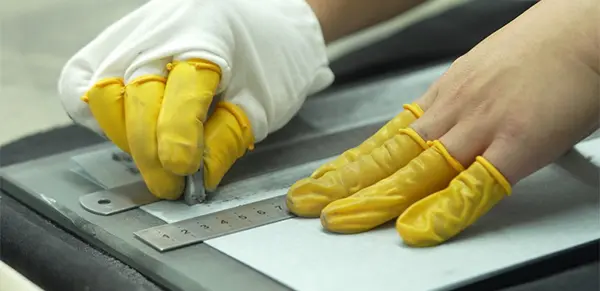
How Xinyunyang aligns manufacturing processes with the future demands of miniaturized microelectronics.
Kovar is highly tough, ductious, and prone to fast work-hardening under standard machining methods. Tool wear, surface roughness variance, and stress concentration points are persistent challenges during high-speed CNC cutting. Xinyunyang solves these challenges through structured technical guidelines:
As microchip architectures shrink, electronic packaging faces extreme integration and thermal demands. Xinyunyang's future-oriented strategy centers on co-firing technologies. By integrating Kovar components with High-Temperature Co-fired Ceramics (HTCC) and Low-Temperature Co-fired Ceramics (LTCC), we provide unified 3D interconnect assemblies. This eliminates complex soldering steps, reduces package volume by up to 40%, and significantly enhances signal transmission in 5G and AI millimeter-wave designs.
For modern supply chain managers, importing raw Kovar alloys demands robust quality controls. Relying on uncertified suppliers can lead to inconsistent chemical composition, carbon segregation, and seal failure in the field. Xinyunyang mitigates this through comprehensive batch documentation: each delivery includes full material certification, chemical spectrum verification, raw ASTM F15 compliance reports, and RoHS 3 compliance test certificates. With our advanced MES scheduling, we streamline shipping timelines and protect production lines from supply interruptions.
Expert technical answers addressing common manufacturing, material validation, and product design questions.
Browse our high-performance CNC parts, aluminum housings, gold-plated assemblies, and structural connectors.
 Xinyunyang Precision