Explore our elite portfolio of high-precision micro-machined enclosures, contacts, and special metal structural parts engineered for extreme industrial environments.
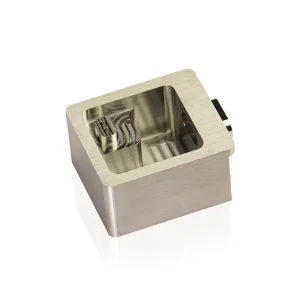
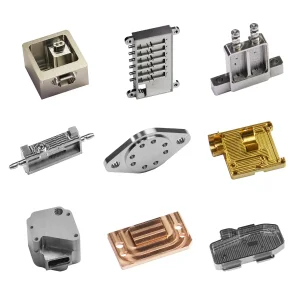
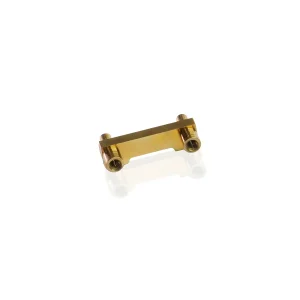
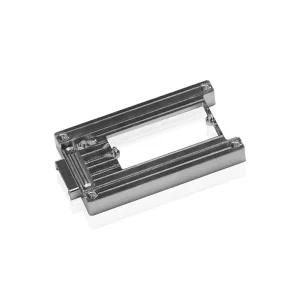
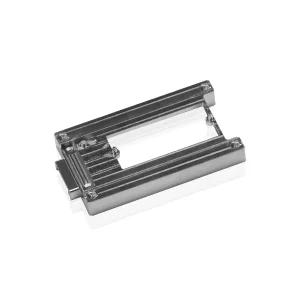
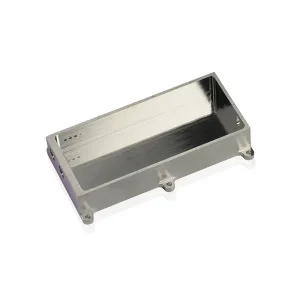
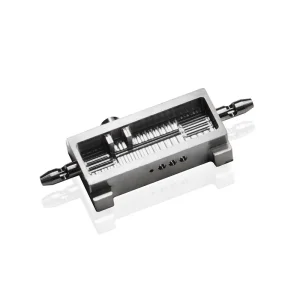
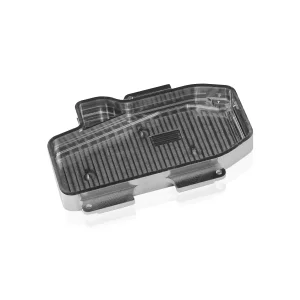
In modern precision engineering, managing thermal expansion is one of the most critical challenges. Fluctuations in ambient temperature cause physical dimensions to alter, potentially causing microscopic misalignment, stress fractures, or vacuum compromises. To counter this, special iron-nickel alloys have been formulated with unique properties that minimize thermal expansion over defined ranges. The two most prominent competitors in this domain are Kovar (Fe-Ni-Co) and Invar (Fe-Ni36).
The Fundamental Difference: Kovar is engineered to match the expansion rates of high-performance borosilicate glass and alumina ceramic, making it the industry champion for *hermetic glass-to-metal sealing*. Invar, conversely, is formulated for *absolute dimensional stability* near room temperature, showing almost zero thermal expansion across wide atmospheric shifts.
Kovar (ASTM F15) typically consists of 29% Nickel (Ni), 17% Cobalt (Co), and a balance of Iron (Fe). The incorporation of cobalt alters the Curie point and gives the material a non-linear thermal expansion profile that matches glass and ceramic remarkably well up to approximately 450°C.
Invar (Invar 36, FeNi36) consists of 36% Nickel and 64% Iron. Named after the word "invariable," Invar exhibits a remarkably low Coefficient of Thermal Expansion (CTE) at temperatures ranging from cryogenic levels up to 250°C. The physics of Invar's low expansion resides in the Magnetostriction effect, wherein the natural thermal expansion is offset by magnetic volume contractions within the material’s crystal lattice.
For procurement managers and R&D engineers, choosing between Kovar and Invar requires a precise analysis of physical, thermal, and mechanical behaviors. Below is a comprehensive comparison matrix highlighting key parameters necessary for optimal selection:
| Property Parameter | Kovar Alloy (Fe-Ni-Co / ASTM F15) | Invar 36 Alloy (Fe-Ni36) |
|---|---|---|
| Nominal Composition | 29% Ni, 17% Co, Bal Fe | 36% Ni, Bal Fe |
| CTE (20°C to 100°C) | ~ 5.1 x 10⁻⁶/°C | ~ 1.2 x 10⁻⁶/°C |
| CTE (20°C to 400°C) | ~ 4.6 - 5.2 x 10⁻⁶/°C (Stable Match) | ~ 4.8 x 10⁻⁶/°C (Loses low-expansion advantage) |
| Curie Temperature | 435°C | 230°C |
| Density | 8.36 g/cm³ | 8.08 g/cm³ |
| Hermetic Sealing Match | Excellent with Borosilicate Glass & Alumina | Poor (High mismatch at glass joining temps) |
| Machinability Rating | Moderate (Work hardens, requires rigid tooling) | Difficult (Gummy behavior, abrasive tool wear) |
| Corrosion Resistance | Fair (Needs plating such as Gold/Nickel for salt-spray) | Low (Highly susceptible to rusting without coating) |
Across global high-tech supply chains—stretching from aerospace OEMs in North America to semiconductor assembly plants in East Asia—procurement demands for Kovar and Invar have experienced a severe surge. This growth is driven by the rapid expansion of 5G infrastructure, high-power AI data centers, and commercial space exploration.
The decision matrix between Kovar and Invar directly impacts structural reliability in heavy-industry applications. The choice dictates whether a system survives extreme environment transitions or experiences total functional failure.
With high-frequency 5G networks and optoelectronic transceivers carrying massive amounts of high-speed data, structural changes due to heat generation cannot be tolerated. In these configurations, Kovar is utilized to fabricate hermetically sealed enclosures and microwave packages. Due to Kovar's compatibility with glass connectors and ceramic laser diode carriers, it creates solid physical seals that remain sealed under heavy thermal cycles.
For space telescopes, high-resolution Earth observation cameras, and military lasers, even a nanometer-scale structural drift ruins target alignment. Here, Invar 36 is the absolute material of choice. It serves as the primary structural frame for mirrors, laser cavities, and alignment apparatus, maintaining dimensional stability under severe orbital sun-to-shade cycles.
As microchip photolithography scales down to sub-2nm nodes, wafer stages and mask holders must remain perfectly still under extreme temperature environments. Invar’s low thermal expansion is leveraged inside lithography chambers. Concurrently, Kovar packages play an essential role in micro-sensor housing applications, providing safe operational zones for delicate sensory chips.
Founded Year
Professional Staff
Technical Engineers
Delivery Efficiency Gain
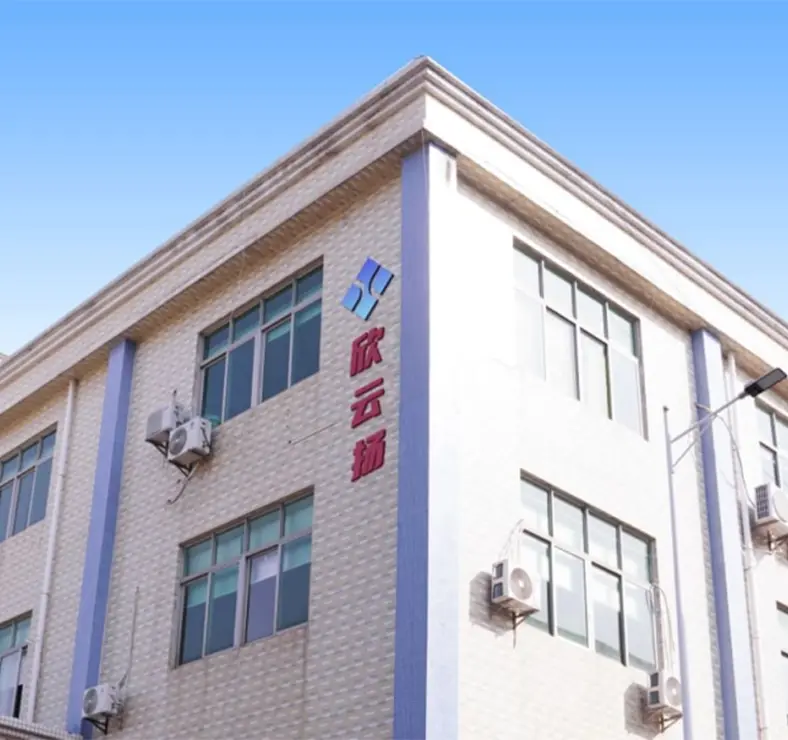
Founded in November 2014, Xinyunyang Precision Technology Co., Ltd. has steadfastly adhered to its initial focus on precision engineering. Built upon the core principles of Integrity, Innovation, Cooperation, and Sharing, the company concentrates on Kovar precision processing technology as its core competitiveness.
We deeply cultivate the specialized fields of semiconductors, optical communications, aerospace, medical devices, and new energy/military industries. We are committed to providing highly customized, miniaturized, and exceptionally reliable metal packaging solutions to global clients. Our goal is to become an essential global supplier of hermetic package lids, Kovar alloy components, and high-precision machinery parts.
 High-precision processing capability
Advanced technology & equipment
Strict quality control
Flexible customized services
High-precision processing capability
Advanced technology & equipment
Strict quality control
Flexible customized services
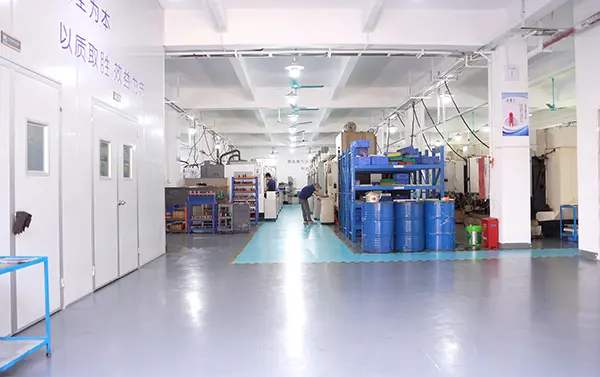
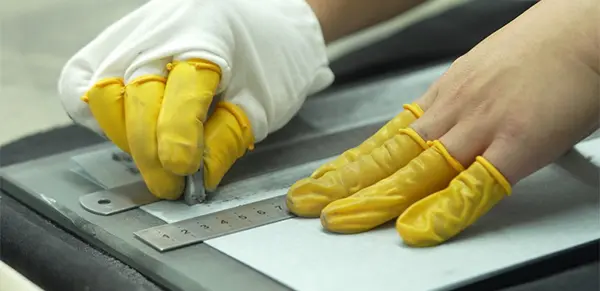
A glimpse inside our state-of-the-art facility, showing real production grounds and processing centers.
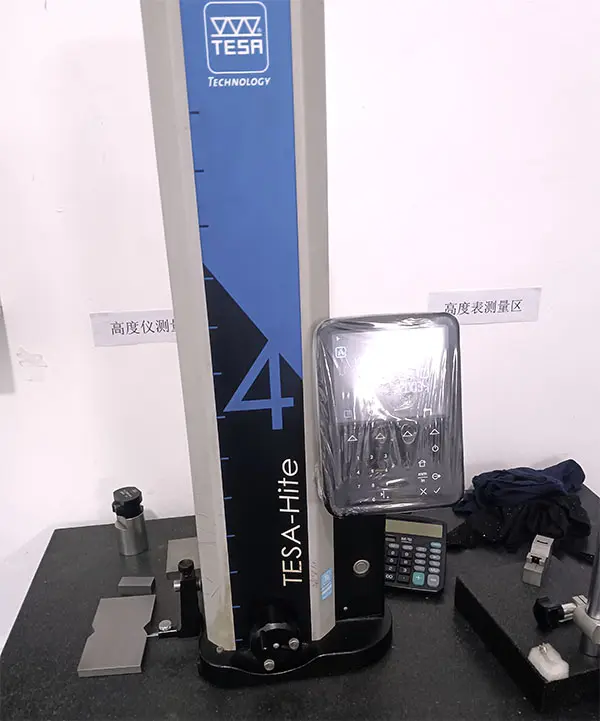
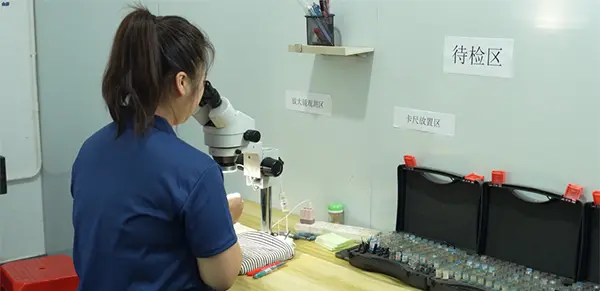
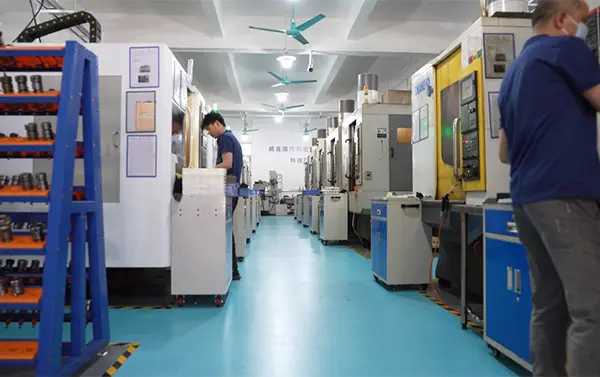
As industries push boundaries in depth and speed, the structural demands placed on low-expansion alloys are changing rapidly. Over the next decade (2025-2035), several micro-structural and manufacturing trends will shape the adoption of Kovar and Invar:
Traditional CNC machining of Kovar and Invar incurs a massive scrap footprint due to the complexity of microelectronics housings. Additive manufacturing (3D printing via Selective Laser Melting - SLM) is emerging as a breakthrough approach. However, printing these alloys requires rigorous gas-shielding controls to prevent nickel volatilization and localized micro-cracking. Advanced suppliers are developing proprietary pre-alloyed powders to enable defect-free additive fabrication.
To prevent contamination of optoelectronic devices, dry machining of Kovar has become an essential capability. Eliminating wet coolants eliminates the risk of hydrocarbon outgassing inside vacuum packaging. Achieving a surface roughness of Ra < 0.3μm without liquid lubricants requires specialized diamond-like carbon (DLC) coated tooling, custom feed rates, and ultra-high spindle speeds. This level of quality ensures optimized salt-spray resistance for critical applications.
High-end special alloys require strict compliance protocols and traceability assurances before entering modern defense, aerospace, or industrial supply chains.
1. Quality Management (ISO 9001): Our entire process—from receipt of raw alloy bar stocks to final micro-machined packaging—adheres to strict ISO standards. Multi-stage Coordinate Measuring Machine (CMM) reports and 3D optical scans are provided to clients upon request.
2. Hermeticity & Environmental Testing: Hermetic enclosures made of Kovar are subjected to severe helium leak testing (< 1x10⁻⁸ mbar·l/s) and salt-spray testing. This ensures long-term resistance to corrosion and vacuum degradation in oceanic marine or orbital space deployments.
3. Environmental Compliance (REACH & RoHS): In compliance with global environmental mandates, our material selection process guarantees that all Kovar, Invar, and auxiliary plating options (such as gold, copper, and nickel coatings) are fully compliant with RoHS and REACH regulations. This allows international engineering firms to integrate our components into their systems seamlessly.
Answers to critical engineering and procurement questions regarding Kovar vs. Invar applications.
Yes, but with caution. Welding Invar to stainless steel requires careful matching of filler metals (typically high-nickel alloys like Invar-specific welding wires) to mitigate the massive differences in thermal expansion rates. Without precision thermal management, high residual stress will develop at the heat-affected zone, leading to joint fractures.
Kovar's CTE curve rises non-linearly to match glass up to its softening point (~450°C). Invar’s CTE is extremely low near room temperature but begins rising steeply above 200°C. During the high-temperature glass-fusion sealing process (typically >600°C), Invar’s extreme CTE mismatch creates massive stress upon cooling, cracking the glass seal. Kovar, meanwhile, contracts in unison with the glass, ensuring a strain-free, hermetic joint.
Cobalt stabilizes the face-centered cubic (FCC) austenite phase at lower temperatures, preventing phase transformation to the body-centered cubic (BCC) martensite phase. This prevents unexpected volume increases and ensures the stability of the mechanical and low-expansion properties under cryogenic exposures.
Since Kovar has poor natural rust resistance, it is typically plated with a layer of high-purity Nickel (underplate) followed by Gold plating. This prevents oxidation, optimizes solderability, and ensures compatibility with wire bonding processes common in semiconductor systems.
Machining fluids and cutting oils contain organic compounds that can become trapped in the micro-porosities of the metal surface. In high-reliability hermetic packages, these trapped organics outgas under vacuum conditions, clouding delicate optical windows or corroding sensitive microcircuits. Dry-machining ensures ultra-clean surface structures.
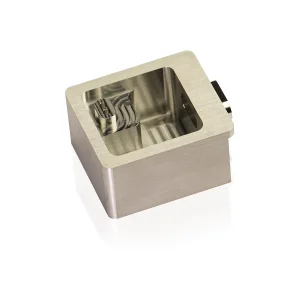
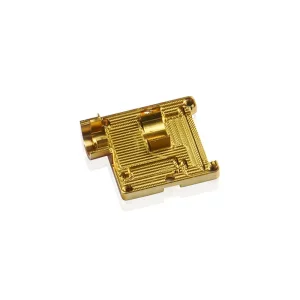
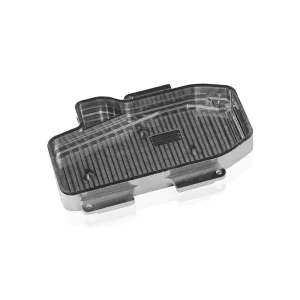
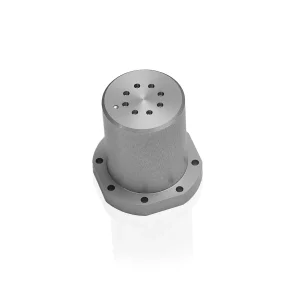
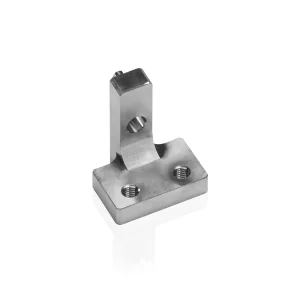
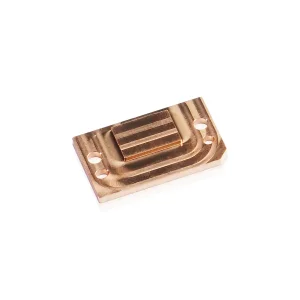
Discover additional high-precision parts designed to support next-generation commercial, aerospace, and medical engineering.
 Xinyunyang Precision