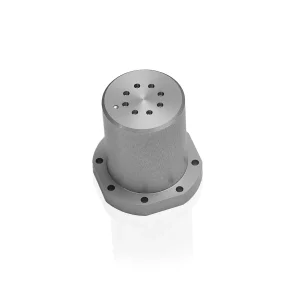
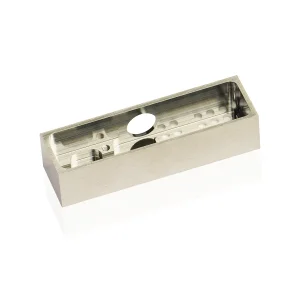
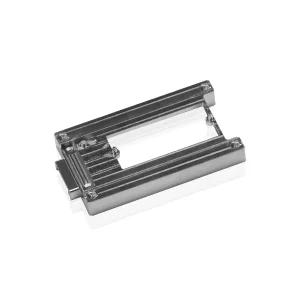
Explore our foundational range of sub-micron precision components designed for high-performance optical communication, micro-hermetic sealing, and semiconductor systems.
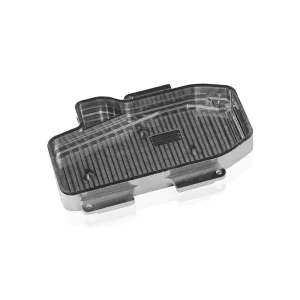
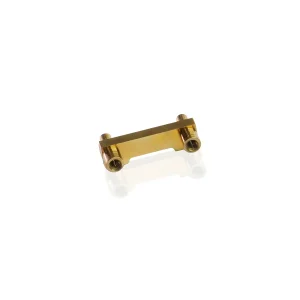
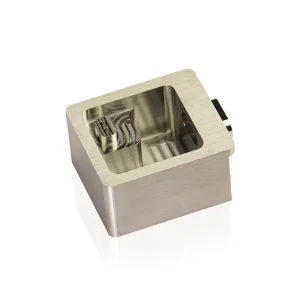
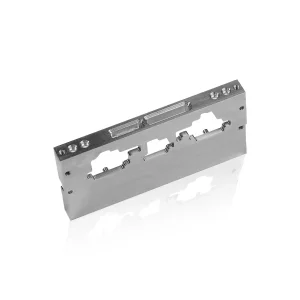
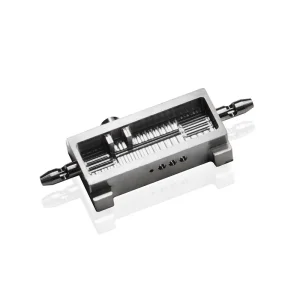
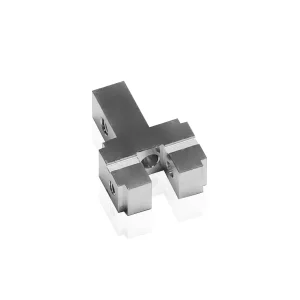
An authoritative industry guide on materials processing, thermal matching optimization, and vertical supply chains in high-frequency optoelectronics and military-grade packaging.
Modern telecommunications, aerospace systems, and semiconductor packaging demand levels of physical precision that push the limits of classical metallurgy. In the high-frequency domain—specifically when handling frequencies up to 40GHz and insertion losses lower than 0.26dB—material selection and mechanical design cannot be decoupled. For global procurement teams, sourcing from a competent CNC machine full supplier who understands the physical properties of specialty alloys is the difference between systemic success and field failure.
As a leading supplier in the precision manufacturing ecosystem, Xinyunyang Precision Technology Co., Ltd. (established in November 2014) has built its foundational competitiveness around the composite processing of high-performance materials like Kovar alloy, titanium, stainless steel, and pure copper. Our processes are designed to support complex, high-reliability hermetic packaging demands, bridging the gap between mechanical durability and thermal stability.
In high-reliability electronics, thermal fluctuations pose a major failure risk. Silicon, ceramics (such as alumina and beryllium oxide), and glass are fragile components that expand minimally when heated. If these elements are mounted to a standard aluminum or copper substrate, the mismatch in their Coefficient of Thermal Expansion (CTE) will generate severe mechanical stress under thermal cycling. This stress eventually ruptures solder joints, fractures silicon dies, or breaks hermetic glass-to-metal seals (GTMS).
This is where Kovar Alloy (ASTM F15) becomes indispensable. With a nominal chemical composition of 29% Nickel, 17% Cobalt, and 54% Iron, Kovar's expansion curve matches borosilicate glasses and ceramic substrates precisely. At Xinyunyang, our Kovar alloy components exhibit a tight CTE tolerancing of 4.7±0.2×10⁻⁶/℃ across the critical temperature range of 30℃ to 400℃. Achieving this requires specialized post-machining heat treatment to eliminate internal stresses that alter the material's structural performance. Our factory optimizes vacuum annealing processes to guarantee structural stability, preventing physical shifting when the component is integrated into 5G base station assemblies or spaceborne optical communication modules.
Our operation is built on engineering expertise. Xinyunyang has developed a production system supported by three core research and development capabilities:
Over 100 dedicated production professionals, with technical engineers representing 30% of the total workforce. We translate complex blueprints into high-precision, repeatable manufacturing pipelines.
Our core team has focused on precision metal processing for over a decade. We specialize in hard-to-machine alloys, developing custom tooling and parameter adjustments for composite and thin-walled structures.
Operating under a strict ISO 9001 certified quality management system, our MES-driven intelligent production scheduling system decreases regular order cycle times by 15% to 20% compared to industry averages.
This systematic optimization allows Xinyunyang to handle advanced geometries that standard job shops reject. Thin-walled cavities, multi-stepped waveguide structures, and micro-grooves with aspect ratios exceeding 5:1 are processed daily. Using high-speed spindle CNC machinery, EDM (Electrical Discharge Machining), and micro-drilling techniques, we maintain tolerances down to the single-digit micron range (±0.005mm) while keeping parts burr-free and ready for electroplating.
A closer look at our physical facility, precision testing rooms, and the advanced high-speed machining centers that support our high-reliability output.
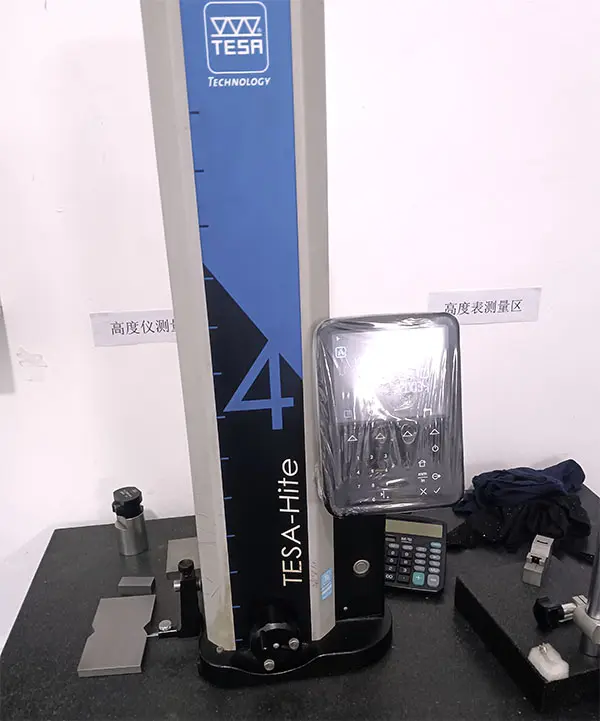
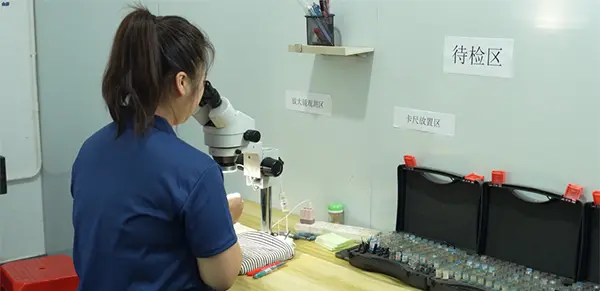
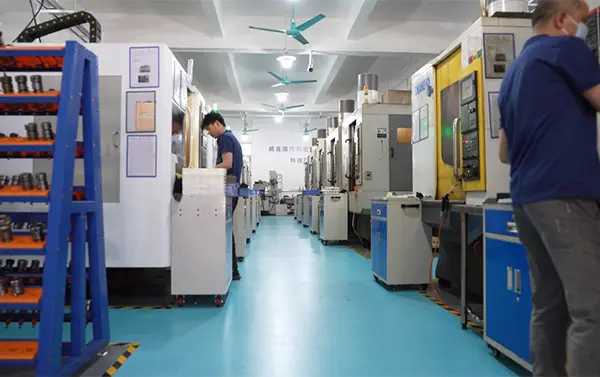
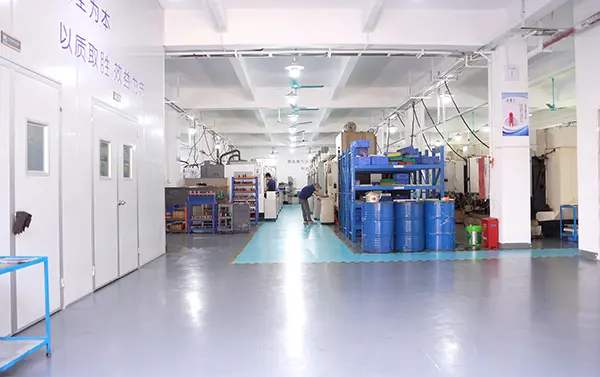
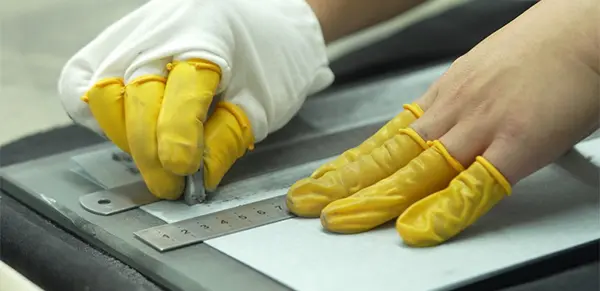
Our manufacturing floors are climate-controlled to prevent thermal expansion of the machine tools and raw metals during machining. Raw materials are cataloged with Mill Test Reports (MTR) to ensure full traceabilty. This level of control supports our status as a trusted manufacturer in China, supplying high-performance hermetic lids, Kovar alloy components, and complex metal frames to markets across the Americas, Europe, and the Asia-Pacific region.
 High-precision processing capability Advanced technology and equipment Strict quality control Flexible customized services
Procurement departments in industries like aerospace, defence, and medical instrumentation face strict compliance requirements. Purchasing critical metal housings or connectors is not just about unit price; it requires evaluating the factory's long-term quality systems and technical capabilities.
Key procurement requirements we address include:
Operating a global supply chain requires managing regulatory and logistical challenges. Xinyunyang supports international clients with a structured approach to compliance and risk management:
We ensure compliance with RoHS (Restriction of Hazardous Substances) and REACH standards, verifying that all plating baths, surface treatments, and base alloys are free of restricted chemicals. Our engineering team acts as a technical link, reviewing designs to optimize for manufacturing (DFM). By identifying potential issues—such as deep internal pockets with sharp radii or unstable walls—prior to production, we help customers reduce scrap rates, optimize tool wear, and lower unit costs.
Additionally, we work with global freight partners to manage shipping logistics, customs documentation, and duty classifications, ensuring reliable delivery directly to client assembly lines.
The precision manufacturing sector is evolving rapidly, driven by three major industry shifts:
First, the expansion of 5G networks and artificial intelligence computing clusters requires packages that can handle high data transfer rates. Hardware like optical transceivers and high-speed switches operate at frequencies up to 40GHz. At these speeds, even microscopic surface roughness can increase signal loss through skin effects. Xinyunyang uses diamond-tool machining and precision polishing to achieve mirror-like surface finishes (Ra < 0.2 microns), keeping insertion losses below 0.26dB.
Second, weight reduction is a key focus in aerospace and defense. This has increased the use of titanium alloys (such as Ti-6Al-4V) and lightweight aluminum. Machining these materials requires rigid fixtures and optimized toolpaths to manage heat generation and work hardening.
Third, there is a growing demand for sustainable production. The green industrial revolution requires factories to minimize carbon footprints, recycle coolant oils, and reduce energy consumption. Xinyunyang utilizes modern, energy-efficient CNC machines and waste recycling programs to help clients meet their corporate sustainability targets.
Precision-machined Kovar and aluminum components are critical to several key applications:
Addressing the technical, material, and logistical questions raised by design engineers and procurement teams.
Kovar alloy is selected for its thermal expansion characteristics. Its Coefficient of Thermal Expansion (CTE) of 4.7±0.2×10⁻⁶/℃ closely matches those of borosilicate glass and alumina ceramics. Standard metals like aluminum (CTE ~23) or stainless steel (CTE ~16) expand too quickly when heated, which can break glass-to-metal seals or crack ceramic substrates during thermal cycling. Kovar maintains a stable seal across a wide temperature range.
At high frequencies, electrical signals travel along the outer surface of a conductor rather than through its center (the skin effect). Surface roughness can scatter these signals, increasing insertion loss. We manage this by utilizing high-precision toolpaths, specialized cutting inserts, and post-machining polishing to achieve a fine surface finish (Ra < 0.2μm). This is paired with controlled plating processes to prevent signal degradation.
Our quality management is certified to ISO 9001. We monitor production using Coordinate Measuring Machines (CMM) with sub-micron accuracy, optical comparators, and digital micrometers. Critical dimensions are tracked using Statistical Process Control (SPC) charts. We also verify the thickness and adhesion of surface platings using X-ray fluorescence (XRF) testing.
Our scheduling system tracks material inventory, machine availability, and tooling life in real time. By optimizing machine loading and scheduling setups for similar setups, we reduce downtime and improve manufacturing throughput. This reduces standard order lead times by 15% to 20% compared to traditional scheduling methods.
We support both high-volume production and low-volume, high-mix runs. Our engineering team assists with prototype development, working with customers to optimize designs for manufacturing. This helps transition components from initial testing to full-scale production efficiently.
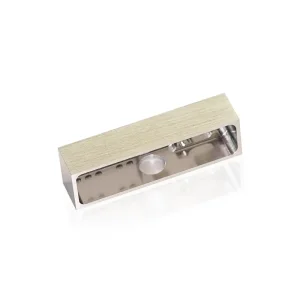
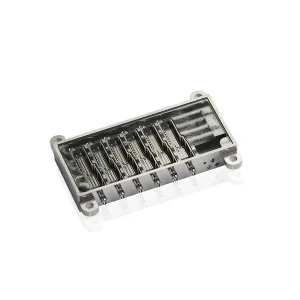
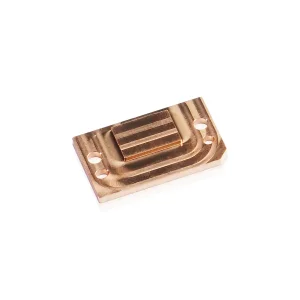
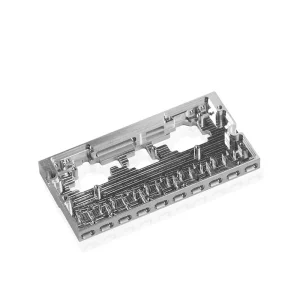
Browse our catalog of aerospace-grade safety armor, high-reliability connectors, and specialized communication packages engineered for challenging operating environments.
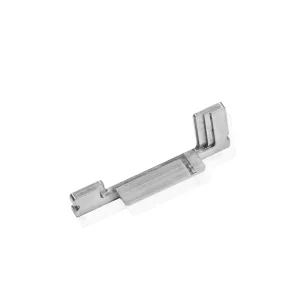
 Xinyunyang Precision