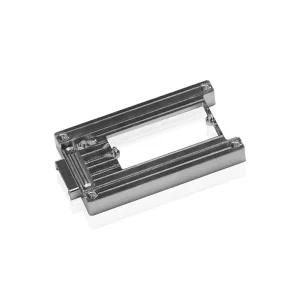
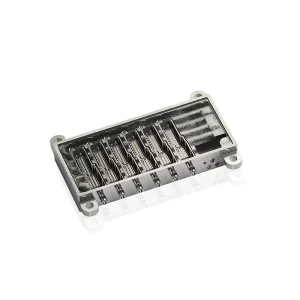
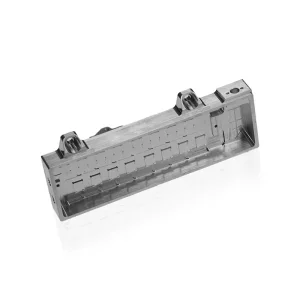
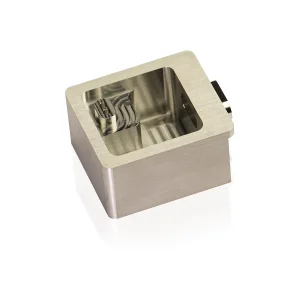
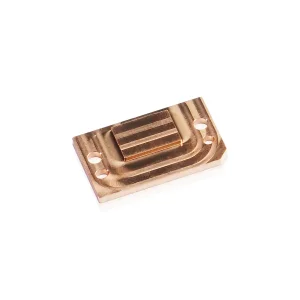
Direct from China's leading ultra-precision CNC manufacturing facility. Explore our high vacuum compatibility metal components engineered to match the thermal expansion of borosilicate glass and alumina ceramics.
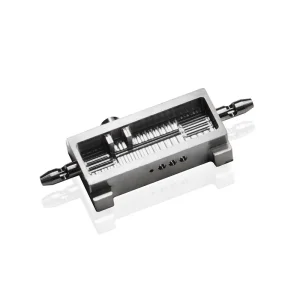
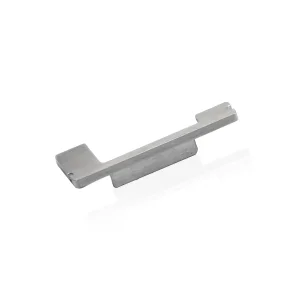
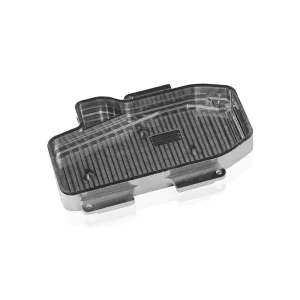
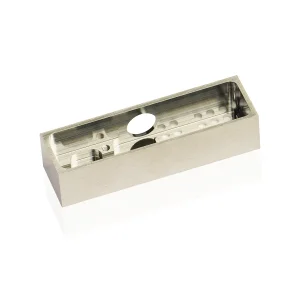
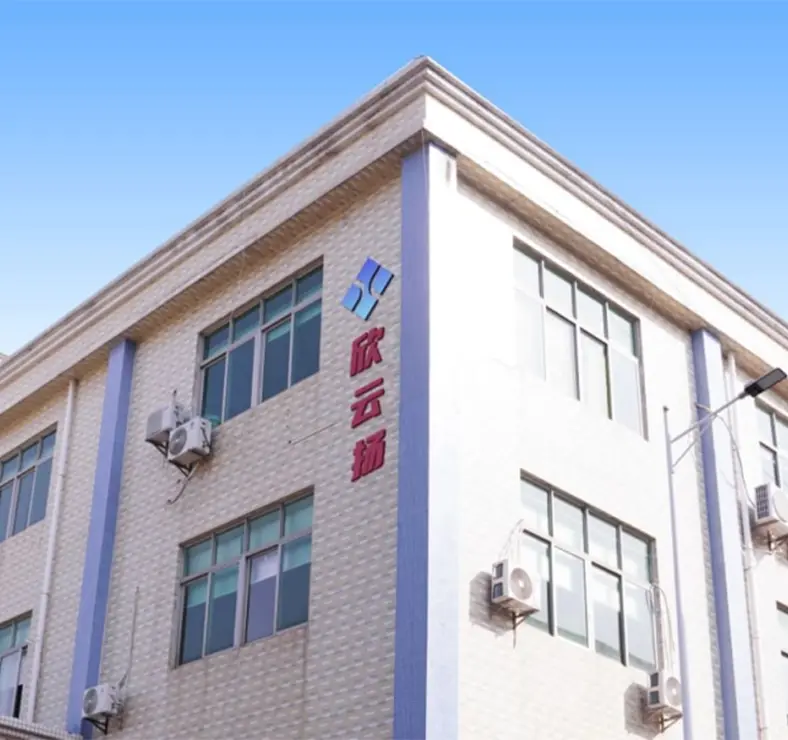
Founded in November 2014, Xinyunyang Precision Technology has established itself as an elite pioneer in the micro-precision engineering landscape. Operating on the foundational principles of Integrity, Innovation, Cooperation, and Sharing, we specialize in offering advanced hermetic packaging lids, custom Kovar alloy components, and high vacuum compatibility parts.
Through persistent material research and manufacturing advancements, we are positioned to support sectors demanding absolute reliability: semiconductors, high-speed optical communications, aerospace, defense, advanced new energy systems, and high-precision medical diagnostic equipment.
In critical scientific, defense, and high-frequency communication domains, vacuum sealing integrity constitutes the difference between mission failure and operational longevity.
Kovar (ASTM F15) is structured as a precisely regulated nickel-cobalt-iron alloy designed to match the non-linear thermal expansion coefficients of borosilicate glass and high-grade alumina ceramics. Over an operational envelope spanning -80°C to 450°C, it maintains dimensional synchronization, preventing structural micro-cracks at the joint interface.
In Ultra-High Vacuum (UHV) systems operating at $10^{-9}$ mbar or lower, materials must not suffer from outgassing. Traditional alloys release trapped hydrogen, zinc, or sulfur components, spoiling the vacuum atmosphere. High vacuum compatibility Kovar undergoes specialized hydrogen decarburization to prevent contamination.
For applications such as satellite communications, micro-encapsulated tube housings, and defense radar, moisture penetration destroys active components. Kovar serves as the ultimate transitional framework, allowing direct, reliable brazing with specialized glass and ceramics, maintaining hermetic seals indefinitely.
| Material Designation | CTE ($30^{\circ}\text{C}$ to $400^{\circ}\text{C}$) $\times 10^{-6}/\text{K}$ | UHV Compatibility Grade | Outgassing Rate (mbar·l/s·cm²) | Core Applications |
|---|---|---|---|---|
| Kovar (ASTM F15 / DIN 1.3981) | 4.6 - 5.2 | Excellent (Decarburized) | $< 1 \times 10^{-12}$ | Hermetic Glass/Ceramic Seals, Aerospace Electronics, TOSA/ROSA Modules |
| Invar (FeNi36 / DIN 1.3912) | 1.2 - 1.8 | Moderate | $< 5 \times 10^{-10}$ | Laser Cavities, Optical Benches, Low-Temperature Molds |
| Stainless Steel 316L (UHV Processed) | 16.0 - 17.5 | Good | $< 2 \times 10^{-11}$ | Vacuum Chambers, Flanges, High-Flow Gas Delivery Lines |
| Alumina Ceramic ($96\%\text{ } \text{Al}_2\text{O}_3$) | 6.5 - 7.5 | Outstanding | $< 1 \times 10^{-13}$ | Electrical Insulating Feedthroughs, High Voltage Isolators |
Merging advanced engineering methods with highly specialized materials processing to deliver zero-defect reliability globally.
With an active workforce of over 100 dedicated technical operators and engineers, our engineering staff accounts for 30% of total operations, driving deep innovation in alloy performance.
With core members possessing over 10 years of focused metallurgy and precision tooling expertise, we are continuously pioneering structural composite processing of Kovar and titanium alloys.
Our intelligent production scheduling platform works in tandem with our certified ISO 9001 management protocols to accelerate product delivery by 15% to 20% on all specialized orders.
Where high performance is non-negotiable. Explore how our vacuum compatibility Kovar parts empower global industries.
In outer space, micro-meteoroid collisions and extreme thermal cycling test the limits of electronics packaging. Our custom Kovar housings shield electronic circuitry, while providing reliable glass-to-metal seals for sensor windows and external power feedthroughs, ensuring complete protection against thermal fatigue.
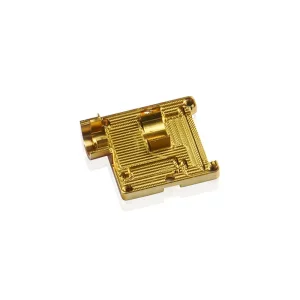
Modern data pipelines rely on TOSA (Transmitting Optical Sub-Assembly) and ROSA (Receiving Optical Sub-Assembly) transceivers. Any physical misalignment resulting from thermal fluctuation immediately causes signal attenuation. Our micron-level precision gold-plated Kovar metal housing components prevent alignment degradation under high operational loads.
Silicon wafer fabrication requires ultra-clean deposition chambers. In environments containing aggressive plasma, standard alloys break down. Our specialized dry-machined, low-roughness Kovar connectors prevent particulate shedding, assuring a reliable hermetic seal in gas delivery lines and process chambers.
Implantable pacemakers, hearing aids, and medical imaging tubes depend on leak-proof assemblies. Our Kovar components are processed with certified bio-inert plating to protect patients and medical systems over decades of continuous service.
By housing all core processes under one roof—from raw material decarburization, advanced high-velocity CNC dry machining, surface gold/nickel electroplating, to leak testing—we eliminate logistical delays. The result? Premium-tier performance delivered up to 20% faster than traditional Western fabricators, with comprehensive structural documentation provided for every batch.
Step inside our high-tech manufacturing, testing, and cleanroom facilities to witness advanced Kovar fabrication firsthand.
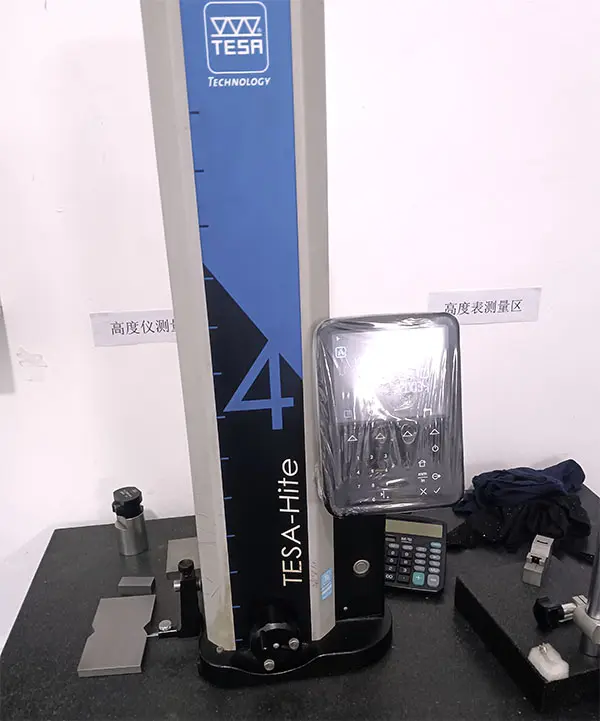
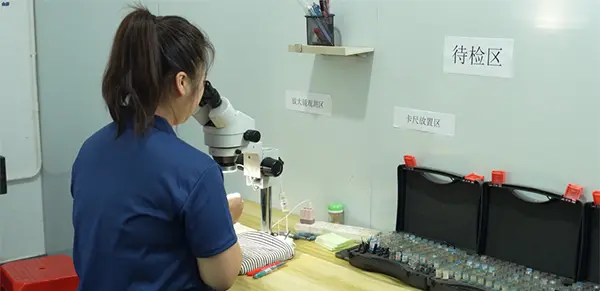
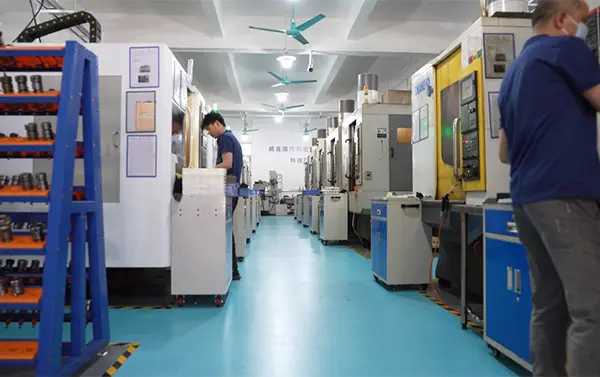
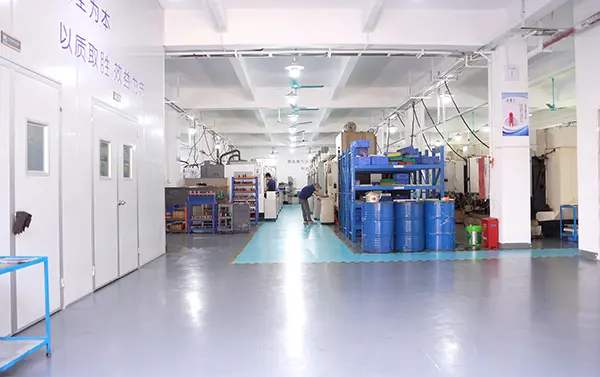
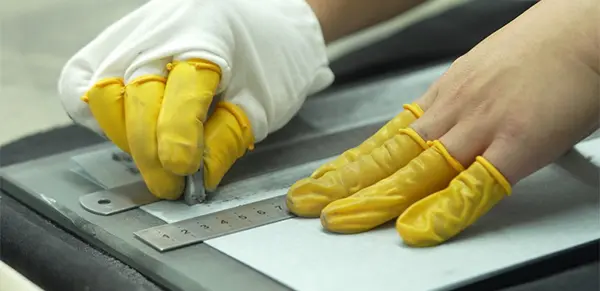
Procuring raw components for ultra-high vacuum operations requires robust risk mitigation. International engineering standards stipulate strict sourcing rules:
As semiconductor nodes transition below 2nm and satellite networks scale to sub-millimeter bands, packaging demands are evolving:
We are actively investing in hybrid material fabrication. By co-firing advanced low-temperature ceramic substrates (LTCC) directly onto dry-machined, thin-walled Kovar frames, we enable compact, light-weight designs that maintain excellent vacuum seal integrity. Our focus on dry machining (yielding surface roughness values below $0.3\mu\text{m}$) ensures that next-generation micro-electronics are protected against environmental corrosion and vacuum decay.
Expert responses to critical engineering, manufacturing, and procurement challenges encountered in Kovar alloy integration.
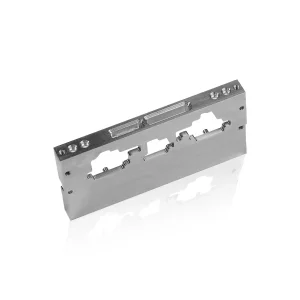
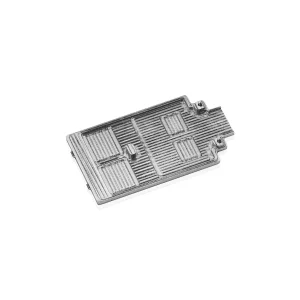
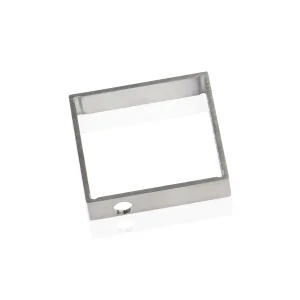
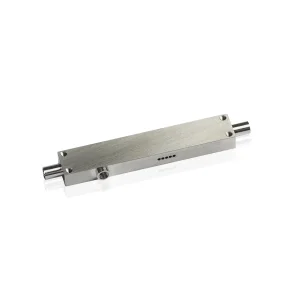
Browse our advanced product catalog featuring custom fixtures, cooling plates, structural frames, and copper precision parts manufactured to demanding specifications.
 Xinyunyang Precision